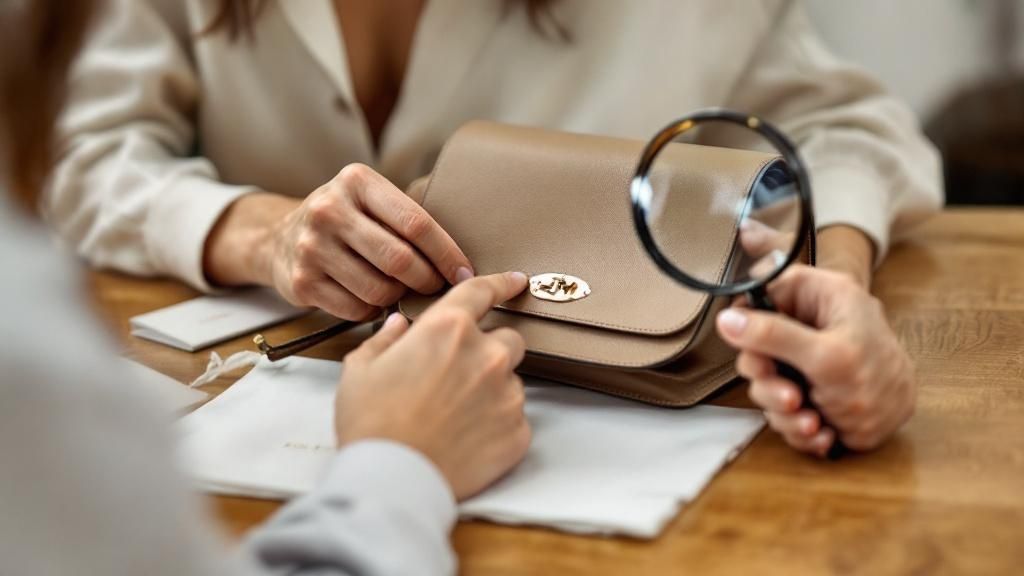
Why Fake Designer Bags Are Everywhere (And Getting Scarier)
If your image of the counterfeit market is a few sketchy street stalls, it’s time for a bit of a reality check. The world of fake designer bags has evolved into a high-tech, global operation. The days of obviously cheap knockoffs are long gone. Today, we’re dealing with sophisticated counterfeiters who pour resources into deconstructing authentic bags, studying materials under microscopes, and replicating every last detail with unnerving accuracy. These aren't just fakes; they're what the industry calls "super fakes" or "mirror copies," and they're designed to fool even seasoned shoppers.
This underground economy is thriving for a straightforward reason: immense demand meets massive profit. For the counterfeiters, the appeal is the low production cost compared to the high perceived value. For some buyers, it’s the siren song of owning a status symbol without the designer price tag. This cycle has fueled a colossal industry. In fact, the global trade in counterfeit goods hit an estimated $467 billion USD in 2021, accounting for a huge portion of all world trade. You can dive deeper into these shocking numbers in the full OECD and EUIPO report.
The Brands Counterfeiters Love Most
Counterfeiters don't target all brands equally. They focus their energy on designers with the highest brand recognition and demand, knowing it guarantees a quick sale. Since so many of these fakes are peddled online through marketplaces and unverified sellers, knowing where to be extra cautious is a must. If you're browsing, it's a good idea to brush up on our complete guide on how to shop safely online to keep yourself protected.
To give you an idea of which brands are most frequently knocked off, we've put together a breakdown of the top targets and the key features you should be scrutinizing.
| Most Counterfeited Designer Bag Brands by Region | |||
|---|---|---|---|
| A breakdown of which luxury brands are most frequently faked across different global regions. | |||
| Brand | Global Percentage | Primary Regions | Key Features to Check |
| Louis Vuitton | 33% | North America, Asia | Canvas pattern alignment, hardware engravings, date code accuracy |
| Chanel | 22% | Europe, Middle East | Chain strap weight, turn-lock mechanism, quilting stitch count |
| Gucci | 15% | North America, Europe | GG Supreme canvas texture, interior tags, hardware quality |
| Hermès | 12% | Asia, Europe | Saddle stitching, hardware markings, leather quality and scent |
This table highlights just how prevalent fakes are for the most sought-after brands. Knowing that Louis Vuitton accounts for a third of all counterfeits helps you understand why inspecting the canvas and date code is so important.
Recognizing the sheer scale and skill of modern counterfeit operations is your first line of defense. It forces you to shift your mindset from a casual shopper to a discerning inspector. Knowing how to spot a fake designer bag isn't just about saving your wallet—it’s about respecting the genuine artistry and investment that goes into an authentic piece. Every detail we’ll explore, from the texture of the material to the weight of the hardware, truly matters, because you can be sure the counterfeiters are watching them, too.
The Touch Test That Never Lies
While your eyes are great for spotting obvious fakes, your hands are often the best tools you have for authentication. Counterfeiters can get pretty close with looks, but getting the exact feel of genuine luxury materials right is where they usually fail. An authentic designer bag has a substantial feel—it has a certain heft and structure without feeling oddly heavy or bulky. This comes from using high-quality leathers and dense canvases that cheap plastics and coated synthetics just can't replicate.
When you handle a real bag, the material often feels cool and supple, particularly with high-grade leather. On the other hand, synthetic materials tend to feel warmer and can have a slightly sticky or rubbery texture. This subtle temperature difference is an immediate clue you can feel. For example, a real Chanel lambskin bag is buttery soft and almost melts into your hand, while a fake version often feels stiff and plasticky, resisting the natural flex of your grip. This is a crucial distinction when learning how to spot a fake designer bag in person.
The Feel of Quality Leather
Authentic leather has a character all its own. It features a unique grain with tiny imperfections that point to its natural origin. Run your fingers over the surface; real leather will have a varied, slightly uneven texture. Fakes often use machine-embossed patterns on synthetic materials, which results in a pattern that is too perfect, too uniform, and lacks any real depth.
Try these simple tactile tests:
- The Flexibility Test: Gently bend a small corner of the bag. Real leather is flexible and will wrinkle naturally under pressure before bouncing back to its original shape. Fake leather often feels rigid or creates sharp, unnatural creases.
- The Scent Test: While not strictly about touch, the smell is a massive giveaway. Authentic leather has a rich, earthy aroma. Counterfeits frequently reek of chemicals, glue, or plastic—a scent that's nearly impossible to hide.
Watch Out for Top Fakes
Knowing which brands are faked most often can help you sharpen your focus. Louis Vuitton, for example, is still the most counterfeited luxury brand in the world, making up 32.76% of all fake bag submissions for authentication. This means when you’re looking at an LV monogram canvas, feeling its specific texture—not too smooth, but not too rough—is incredibly important.
You can dive deeper into brand-specific counterfeiting data in the latest State of Fake Report. In the end, trusting your sense of touch offers powerful evidence. An authentic bag just feels right—a combination of quality, weight, and texture that counterfeiters consistently struggle to reproduce.
Hardware Secrets That Expose Fakes Instantly
If the feel of the material is a bag’s handshake, then the hardware is its signature. Want to know a secret? This is where many counterfeit operations, even the most sophisticated ones, give themselves away. The weight, finish, and sound of authentic hardware are incredibly difficult and expensive to replicate perfectly. Luxury brands invest a ton in custom-milled zippers, clasps, and chains, and that quality is something you can literally feel. A fake bag’s hardware often feels lightweight, hollow, or coated in a cheap-looking, overly shiny plating that can chip or flake off.
A genuine designer bag’s hardware will feel dense and substantial. Pick up the bag and let the chain strap run through your hands. On an authentic Chanel bag, the iconic chain and leather strap has a significant, satisfying weight. On a fake, it often feels flimsy and light by comparison. The same logic applies to zippers. Brands like Louis Vuitton and Hermès use high-quality, smooth-running zippers that glide open and shut without a single snag. A gritty, sticky, or uneven zipper pull is a huge red flag.
The Devil in the Details: Engravings and Mechanisms
Beyond just the weight, the real proof of authenticity is found in the microscopic details. Look closely at any engravings on the hardware. On a real bag, the brand name or logo will be crisply and cleanly engraved or stamped with incredible precision. Fake engravings often look blurry, shallow, or have inconsistent spacing and font.
For a great example of a brand that obsesses over its hardware, you don't have to look any further than Chanel's official site.
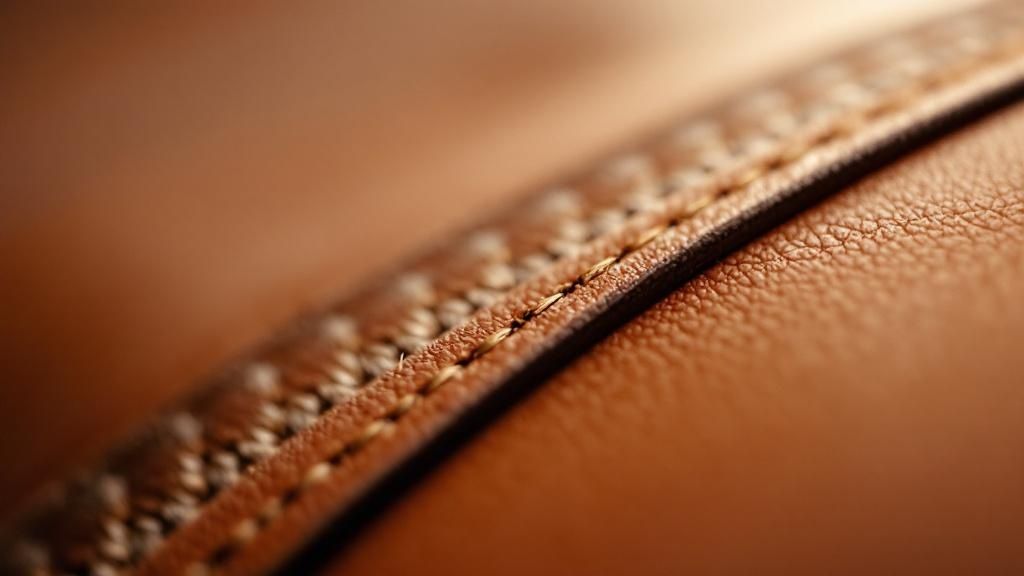
The signature CC turn-lock clasp on a real Chanel bag is a piece of engineering; it should turn smoothly and produce a distinct, solid click. Counterfeits can rarely match this mechanical precision.
Here’s what to check for:
- Plating Consistency: Real hardware has an even, rich color. Look for signs of bubbling, chipping, or discoloration, especially around the edges, which suggests a cheap metal has been poorly plated.
- Logo Details: Examine the logo stamps on zipper pulls and clasps. On a Louis Vuitton lock, for example, the font should be sharp and perfectly centered.
- Unique Mechanisms: The iconic Hermès turn-lock (touret) and padlock have a flawless finish and operate with a silky smoothness that fakes just can’t replicate.
Ultimately, authenticating hardware is about using all your senses. Feel the weight, listen for the sounds, and get up close to inspect the finishing touches. These are the fingerprints of luxury craftsmanship, and they are one of the most reliable ways to learn how to spot a fake designer bag.
Cracking Each Brand's Authentication Code
Once you've moved past the universal clues like the feel of the leather and the weight of the hardware, it's time to dive into the specifics of each brand. This is where the real detective work begins. Think of it as learning a secret language; every luxury house has its own system of serial numbers, date codes, and heat stamps. Learning to read these brand-specific markers is a huge advantage when you're trying to spot a fake.
The tricky part? These codes are constantly changing. A Louis Vuitton date code from 1995 looks completely different from one made in 2020. This is where many well-meaning buyers get caught; they see a code and think it's legitimate, but they don't know the history or the specific format for that year. It's a detail that counterfeiters often bank on you not knowing.
For example, Chanel's iconic serial number stickers have been updated in font, hologram style, and even digit count more than 10 times since they first appeared in the mid-1980s. A neat trick is to use a blacklight on the sticker—on an authentic one, you can often see the "Chanel" micro-printing, a detail fakers almost never get right. In another major shift, a Louis Vuitton bag made after March 2021 won't have a traditional date code at all. Instead, it will have a microchip embedded in the lining. Knowing this small fact can instantly expose a "brand new" 2024 bag that has a date code stamped inside.
This infographic gives you a quick visual breakdown of some of the most common physical tells that separate a genuine bag from a well-made copy.
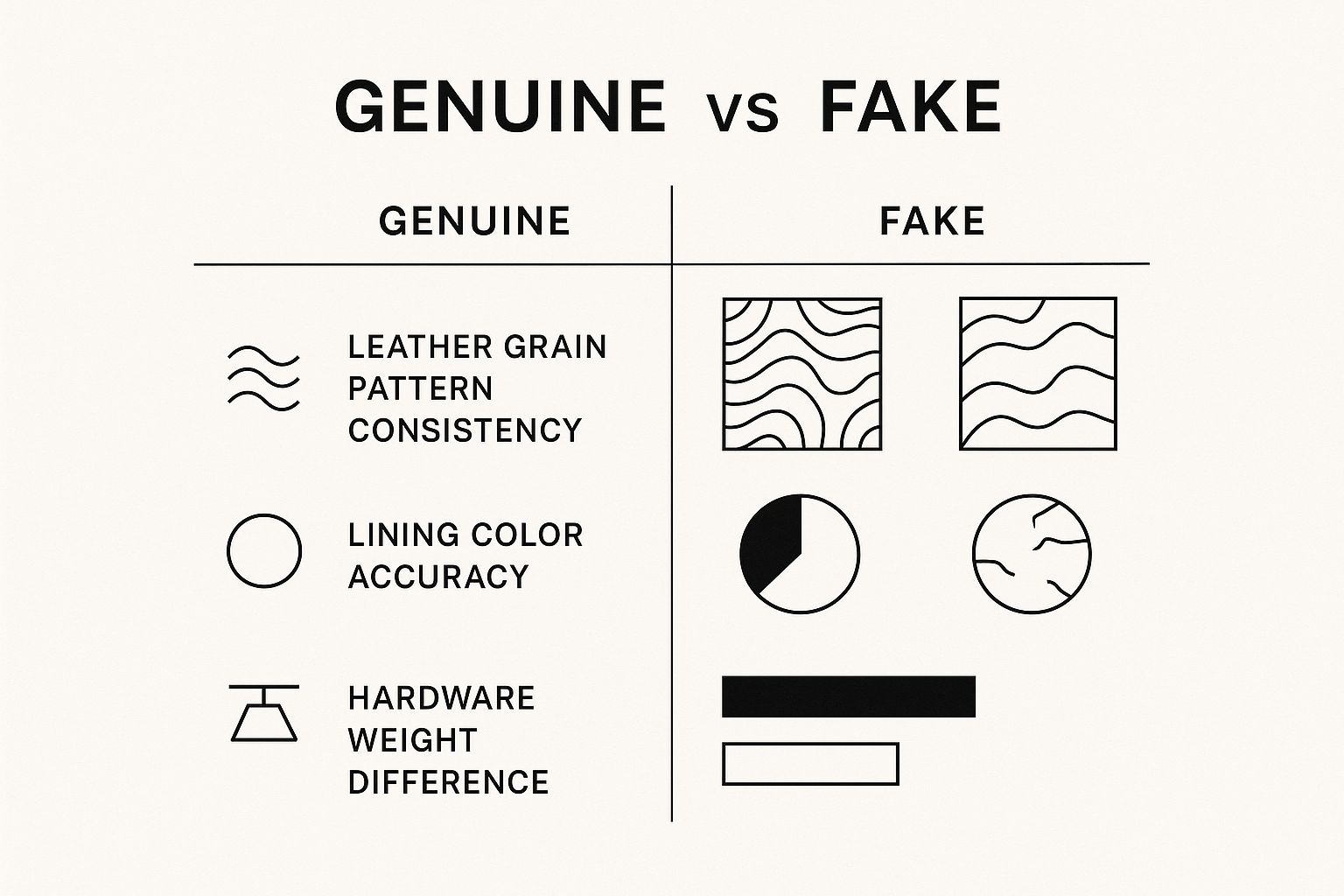
As the infographic shows, real bags often have natural, slightly inconsistent leather grains and hardware that feels substantial and precisely weighted. Fakes, on the other hand, often give themselves away with overly uniform, artificial-looking patterns and hardware that feels light and cheap.
Decoding the Details
To truly get the hang of how to spot a fake designer bag, you have to look at these codes as pieces of a larger puzzle. A counterfeiter might be able to replicate one detail, but it's much harder for them to get a dozen different elements to line up perfectly.
To help you piece everything together, I've created a comparison table that breaks down some of the key authentication features for a few major brands. Think of this as your cheat sheet.
Brand Authentication Feature Comparison
A detailed comparison of key authentication features across major luxury bag brands
| Brand | Serial Number Location | Date Code Format | Authenticity Card Features | Logo Specifications |
|---|---|---|---|---|
| Louis Vuitton | Varies; often on a leather tab or microchipped (post-2021) | Two letters (factory) + four numbers (week/year) | Not typically used | "O" in Louis is perfectly round, "L" has a short tail |
| Chanel | Sticker inside bag (bottom corner) | 7-8 digits, corresponds to card | Black plastic card with gold border and perfectly aligned text | CC lock has right-over-left C on top, even spacing |
| Gucci | Leather tag inside; often a "QR" code on newer styles | Serial number string (no date info) | No longer used; relies on digital verification | "G" is a perfect, incomplete circle; "U" is thicker on left |
| Hermès | "Blind Stamp" hidden in an inconspicuous location | Letter (year) often in a shape (e.g., circle) | Never included with bags | Font is delicate and crisp, never thick or blurry |
This table gives you a great starting point for what to look for with each brand. The key takeaway is that consistency is everything.
Just as these specific codes help reveal the truth about a handbag, understanding the intricate details of hallmarks is essential when you're trying to identify authentic antique jewelry. By cross-referencing multiple markers—the date code format, the font of the stamp, the engravings on the hardware, and the feel of the material—you build a compelling case for authenticity that counterfeiters simply can't replicate.
The Craftsmanship Details That Counterfeiters Miss
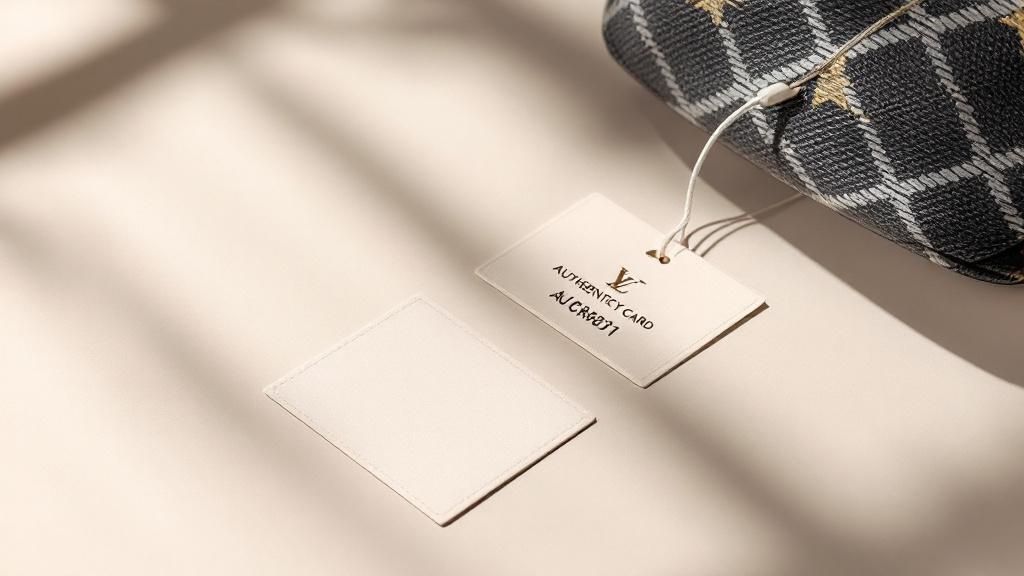
Beyond the feel of the leather and the weight of the hardware, the true artistry of a luxury bag is in its construction. This is where counterfeiters, who prioritize speed and low costs, almost always stumble. The precision in how a bag is put together is one of the most revealing details, showcasing brand-specific techniques that have been perfected over decades.
A genuine bag is built to be a long-term investment, and the quality of its craftsmanship reflects that promise. This is a fundamental concept for anyone looking to thoughtfully build a designer wardrobe with pieces that are meant to last. Authentic bags have uniform, perfect stitching, while fakes often have crooked lines, uneven stitch lengths, or loose threads. Counterfeiters use fast, generic industrial machines that simply cannot match the tension and consistency of the specialized equipment—or the patient hands—of luxury artisans.
The Stitching Tells a Story
Different brands have signature stitching methods that are incredibly difficult to fake well. Learning these nuances is a great way to figure out how to spot a fake designer bag.
- Hermès’ Saddle Stitch: This iconic technique uses two separate needles that pass thread through the same hole from opposite directions. This creates a durable, slightly angled stitch that won't unravel even if a single thread breaks. Fakes typically use a basic machine lockstitch, which looks flat and straight in comparison.
- Louis Vuitton’s Precision: On a real LV bag, you can literally count the stitches. For instance, a handle tab on a Speedy bag will always have the exact same number of stitches on each side. Counterfeiters rarely bother with this meticulous level of consistency.
- Thread Quality: Authentic bags are sewn with high-quality, bonded thread that’s strong and has a slight sheen. Fakes often use cheaper, thinner cotton thread that can look fuzzy, frail, or be a slightly off-color.
Beyond the Seams: Edges and Alignment
Another detail to scrutinize is the edge finishing. On an authentic bag, the painted edges, often called "glazing," will be smooth, even, and applied flawlessly without any bubbling, cracking, or stickiness. Fakes frequently have messy, thick glazing that looks like it was carelessly painted on. This small detail is a hallmark of hand-finishing that mass production just can't replicate.
Finally, examine the pattern alignment. On a bag with a repeating monogram, like a Gucci GG Supreme or Louis Vuitton Monogram canvas, the pattern should be perfectly symmetrical from one side to the other. A logo or design element should never be awkwardly cut off by a seam or a piece of hardware. This requires careful planning and wastes more material during production—a cost that counterfeiters are not willing to take on. It’s these small, deliberate details that separate a true work of art from a cheap imitation.
The Complete Package: Beyond the Bag Itself
Counterfeiters pour their energy into getting the bag just right, but they often get lazy with everything that comes *with* it. This slip-up is a major win for you. A true luxury experience doesn’t stop at the handbag; it includes every detail, from the dust bag and authenticity cards to the very paper the receipt is printed on. These items are made with the same high standards as the bag itself, making them a treasure trove of clues for spotting a fake.
Think of the dust bag as your first clue. A genuine one will feel substantial and well-made, crafted from high-quality material like thick, soft cotton or felt. You'll see clean stitching and a logo that's perfectly printed or embroidered. A fake dust bag, on the other hand, usually feels flimsy and synthetic. The logo is often a cheap screen print with fuzzy edges, and the drawstring will feel like a cheap, thin cord.
Documents of Authenticity
Now, let's get into the paperwork. This is where many fakes completely unravel. Authenticity cards, care booklets, and receipts from luxury brands are produced with meticulous care. They use specific, high-quality cardstock that has a certain weight and texture. The typography is a huge tell; authentic printing is always sharp, perfectly spaced, and uses the brand's unique font.
Fakes, however, often feature blurry text, glaring spelling errors, or awkward spacing. The font on a counterfeit Chanel card, for example, might be slightly off or have a different shine than an authentic one. These are the tiny, specific details that counterfeiters just can't seem to replicate. A quick look at the brand’s official website can give you a feel for their standards.
Here’s a screenshot from the official Louis Vuitton website, which shows the brand's flawless presentation and attention to detail.
Notice the crisp lines, precise lettering, and the overall feeling of quality. This is the exact standard you should expect from all their printed materials.
When you're buying a pre-owned bag, this level of scrutiny is an essential part of learning how to spot a fake designer bag. It requires the same keen eye you'd use when you edit your closet to keep only the best pieces. Don’t just give the extras a quick glance; examine them closely. A sloppy presentation in the packaging is a massive red flag that a poorly made product is waiting inside.
Your Expert Authentication Toolkit
So, you've learned to dissect the materials, hardware, and stitching like a pro. That's a huge step, but now it's time to pull all that knowledge together into a practical, real-world strategy. Knowing how to spot a fake designer bag isn't just about winning a trivia night; it’s about making smart decisions when it matters, whether you're clicking through an online listing or standing in a consignment shop. You need a reliable system because the context of the sale can be just as telling as the bag itself.
This means you need to look beyond the physical item and start reading the situation. A seller’s attitude, for example, can be a massive giveaway. Are they trying to rush the sale? Are their answers about the bag's history a bit fuzzy or inconsistent? These are serious red flags. A legitimate seller with a genuine bag is usually more than happy to answer questions and let you inspect the item thoroughly. A scammer, on the other hand, just wants the deal done before you have a chance to notice the flaws.
Customized Checklists for Every Scenario
Your authentication game plan needs to adapt to where you're shopping. A one-size-fits-all approach just doesn't cut it when you're dealing with luxury goods.
- Online Marketplaces: Here, your best tools are documentation and high-resolution photos. Don't be shy about asking for clear, well-lit images of all the critical areas: hardware engravings, serial numbers, the stitching on handle attachments, and the corners of the bag. If a seller gets defensive or refuses to send more pictures, it’s time to walk away. And always, always use a payment method that offers buyer protection, like PayPal Goods & Services.
- Consignment & Vintage Stores: This is where you get the advantage of a hands-on inspection. Get in there and perform the touch test, feel the weight of the hardware, and use your phone’s flashlight to get a really good look at the interior. Ask the store about their authentication process and their return policy. Reputable shops will have experts on staff and should stand by the authenticity of their items.
- Private Sales: This is where things get the riskiest. If you can, always meet in a safe, public place. The most important thing here is to document everything. Take screenshots of the original online listing and save all your communications with the seller. This paper trail is your only protection if the bag turns out to be a counterfeit.
When to Call in the Professionals
There will be moments when, despite all your expertise, you just aren't 100% certain. That’s when a professional authentication service becomes your best friend. For a relatively small fee, these services can give you a definitive answer, which is peace of mind that’s well worth the cost, especially for a big purchase. Think of it as an insurance policy for your investment. These pros see thousands of bags and are trained to spot the "super fakes" that can sometimes fool even a savvy buyer.
Building this toolkit—which combines your own knowledge with situational awareness and knowing when to ask for help—is what turns you from a hopeful buyer into a confident, protected consumer.
Ready to shop with confidence? At theFeinheit, every single item is guaranteed authentic. Explore our curated collection of over 20,000 products from the world's most sought-after brands, knowing that quality and trust are at the heart of everything we do. Find your next timeless piece today.
