
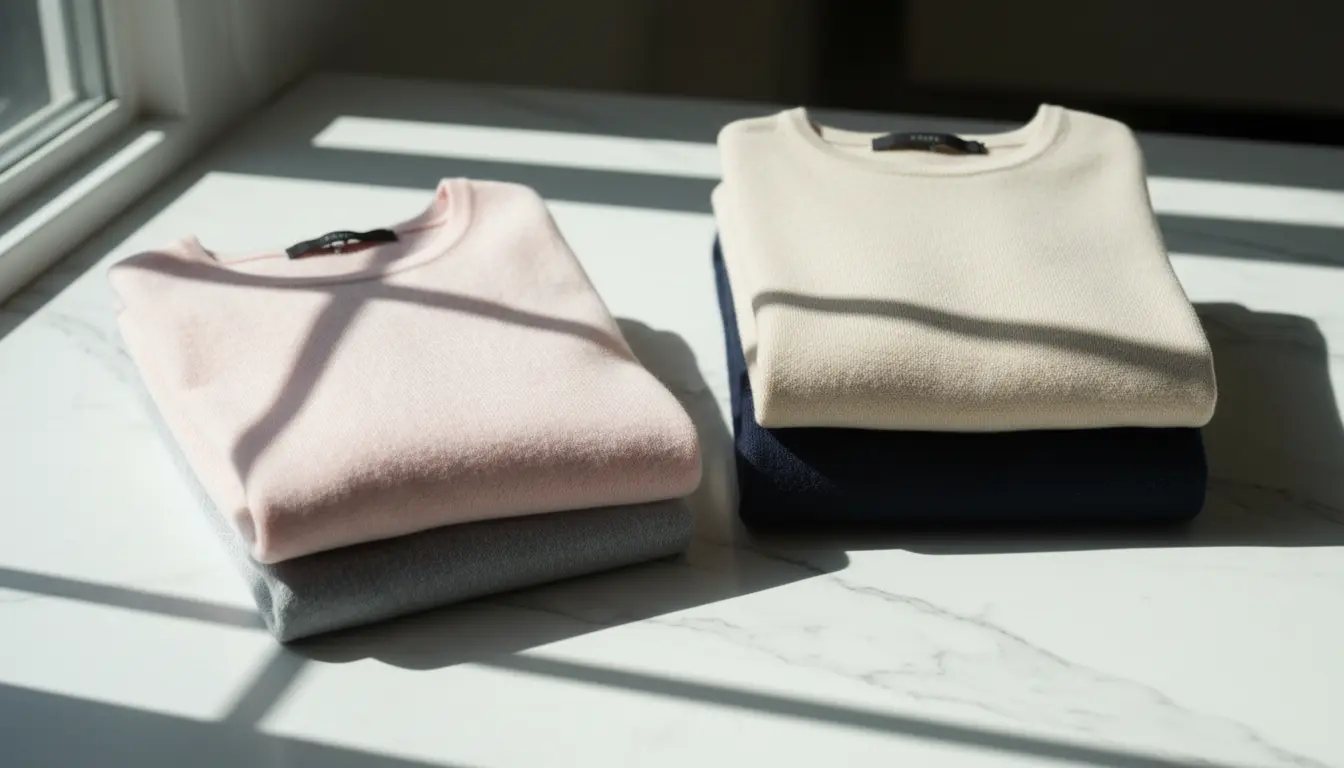
Expert guidance on caring for lightweight luxury fabrics during spring transitions. Essential protocols for cashmere, cotton, linen, and silk storage and maintenance.
Spring’s arrival creates a wardrobe care challenge distinct from straightforward seasonal storage. Rather than definitively packing away winter pieces, the transitional period requires maintaining access to both cold-weather staples and emerging lightweight garments. Temperature fluctuations—freezing mornings followed by 65°F afternoons—mean cashmere sweaters remain in rotation alongside cotton shirts and linen blazers.
This simultaneous wardrobe demands different care protocols than winter or summer alone. Lightweight knits need protection from spring’s humidity surges. Cotton and linen pieces require strategies that prevent the mustiness that develops in damp storage. Silk items face oxidation risks during the extended seasonal transition when they move between active wear and temporary storage.
Understanding how natural fibers respond to spring’s specific environmental conditions—humidity fluctuations, temperature variations, increased daylight exposure—determines whether transitional pieces emerge from this period ready for summer wear or compromised by preventable damage. This guide addresses the care requirements unique to spring’s wardrobe demands.
Understanding Spring’s Environmental Impact on Fabrics
Humidity Cycles and Fiber Response
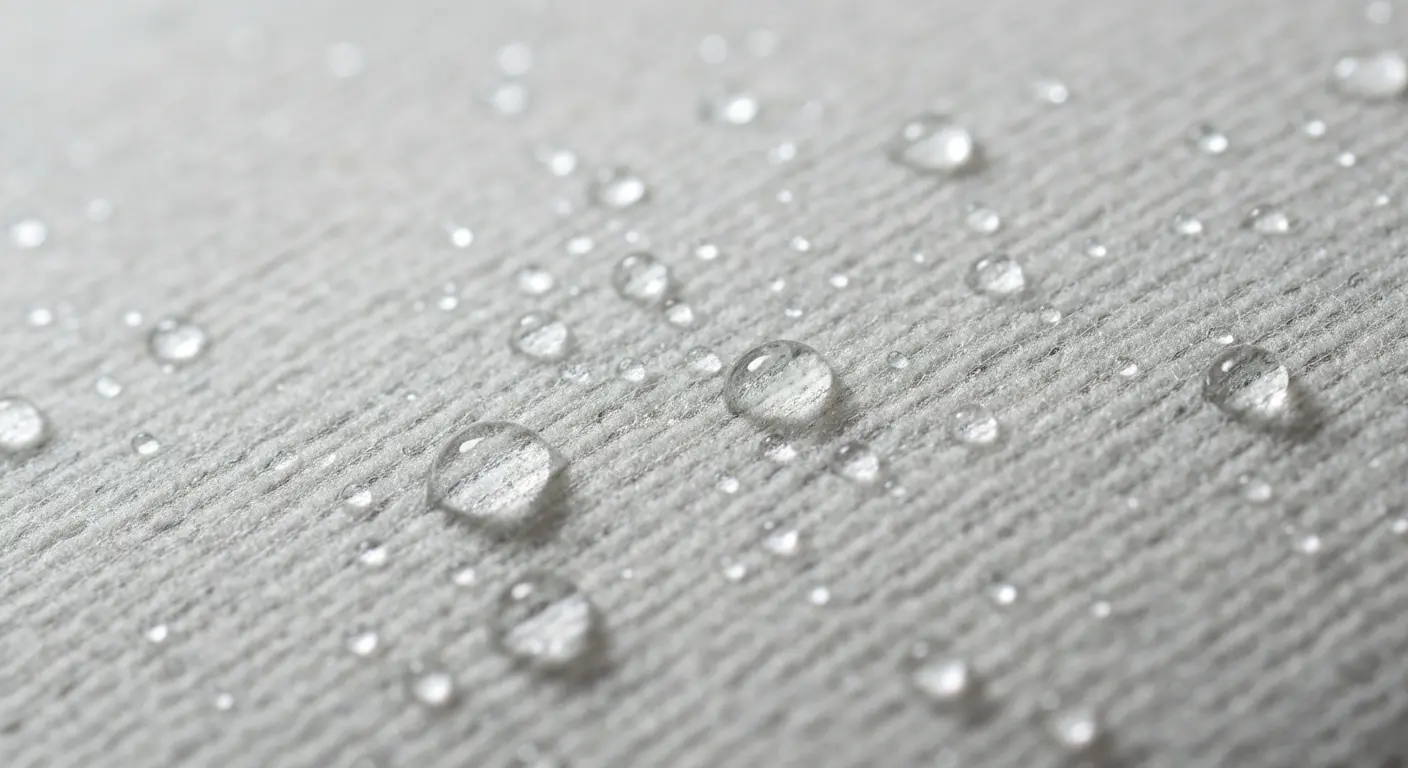
Spring humidity fluctuates more dramatically than any other season. Morning dew, afternoon warmth, evening chill, and periodic rain create moisture cycles that stress natural fibers through repeated expansion and contraction. Each fiber type responds differently to these conditions.
Cashmere and Fine Wool: Absorb up to 30% of their weight in moisture without feeling damp. Spring’s humidity causes temporary fiber swelling. When humidity drops (heated indoor spaces, dry afternoons), fibers contract. Repeated cycles without adequate drying intervals weaken fiber structure, accelerating pilling and reducing the characteristic soft hand. Lightweight spring-weight cashmere (2-ply or lighter) is particularly vulnerable—less fiber mass means less structural integrity to withstand moisture stress.
Cotton: Highly absorbent but slow-drying. Spring’s combination of humidity and moderate temperatures creates ideal conditions for mildew growth in stored cotton. Cotton fibers retain moisture longer than wool, and if stored while retaining any dampness, develop musty odors and potential mold. White and light-colored cotton shows yellowing from oxidation accelerated by moisture and light exposure during transitional storage.
Linen: Natural crisp hand comes from fiber stiffness. Humidity causes linen to soften temporarily—desirable during wear but problematic during storage. Linen stored in high humidity loses its characteristic texture permanently if moisture persists. The fiber relaxes, and pressing alone won’t restore original hand. Conversely, excessive dryness makes linen brittle.
Silk: Protein fiber like wool but with different moisture response. Silk weakens when wet—pulling or stress during damp conditions causes permanent distortion. Spring humidity plus sunlight accelerates color fading and fiber degradation. White and ivory silk yellows noticeably during spring transitional storage if exposed to light and moisture simultaneously.
Temperature Variations and Storage Timing
Spring’s unpredictable temperatures complicate storage decisions. Store cashmere too early and late-season cold snaps require retrieval. Wait too long and extended exposure to spring humidity before storage causes damage.
Strategic Approach: Divide transitional wardrobe into three categories:
- Active Rotation: Lightweight pieces suitable for 45-70°F range (spring-weight cotton, linen blends, silk shirts, light merino)
- Bridge Collection: Medium-weight items that work across temperature swings (cotton-cashmere blends, merino cardigans, lightweight wool trousers)
- Storage Candidates: Heavy winter pieces once temperatures consistently exceed 55°F daytime (thick cashmere, heavy wool, down items)
This system maintains wardrobe flexibility while beginning protective storage for pieces no longer needed.
Fabric-Specific Spring Care Protocols
| Fabric Type | Primary Spring Risk | Care Frequency | Storage Requirements | Special Considerations |
|---|---|---|---|---|
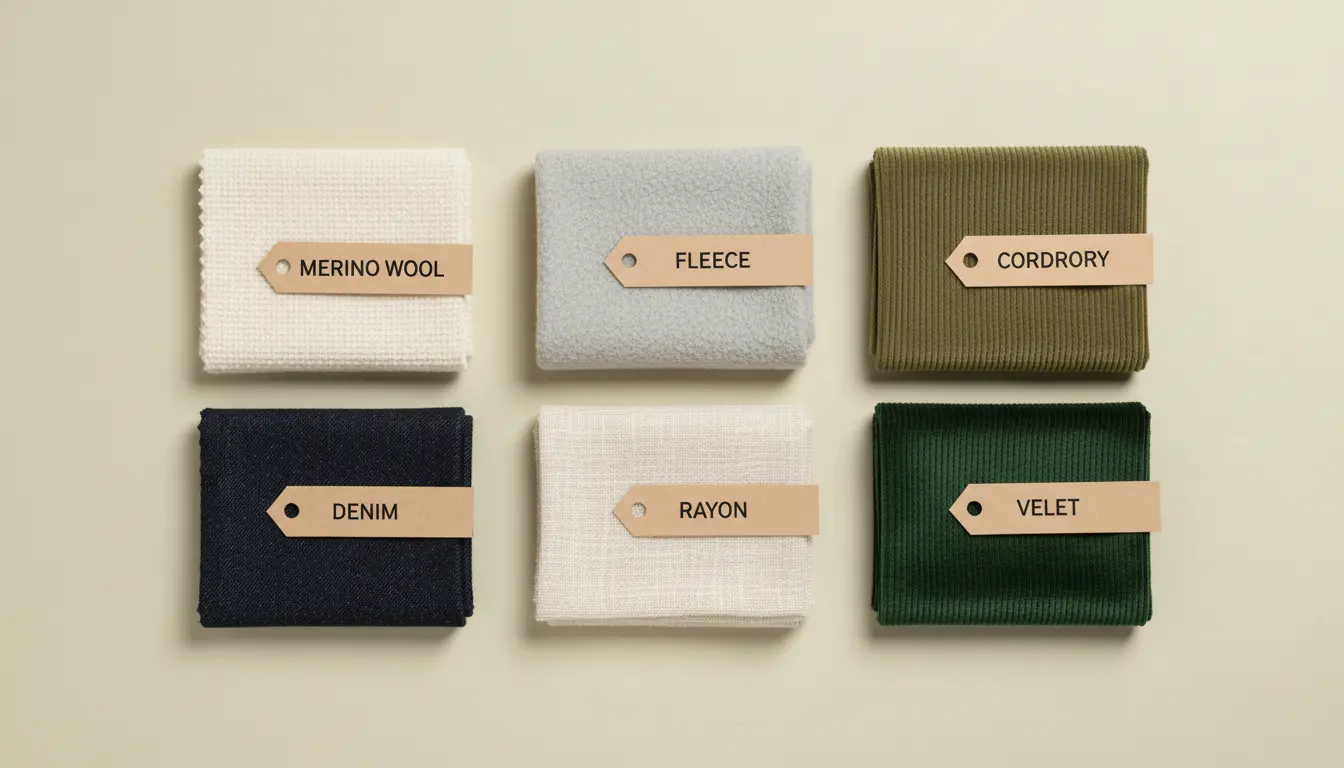
| Lightweight Cashmere | Humidity-induced pilling, moth attraction | Wash after 5-7 wears | Clean before storage, breathable bags, cedar protection | More delicate than winter-weight; requires gentler handling |
| Fine Wool (Merino, Tropical Wool) | Shape distortion from humidity, moth damage | Wash after 6-8 wears | Fold storage, avoid hanging, moderate humidity 50-55% | Spring-weight wool loses shape easily when damp |
| Cotton | Mildew, yellowing, mustiness | Wash after each wear | Completely dry before storage, low humidity environment | Never store cotton with any residual dampness |
| Linen | Texture loss, excessive wrinkling | Wash after 2-3 wears | Slightly damp rolling for wrinkle prevention, moderate humidity | Iron while slightly damp for best results |
| Silk | Color fading, yellowing, weakening from moisture | Wash after 3-4 wears | Dark storage, acid-free tissue, avoid plastic bags | Keep away from direct sunlight during transitional period |
Lightweight Cashmere Spring Maintenance
The Transition Challenge: Spring-weight cashmere (2-ply, gauge 12 or finer) serves throughout transitional weather but requires more careful handling than heavy winter cashmere. Less fiber density means less structural integrity.
Washing Protocol: Hand wash in cool water with pH-neutral detergent formulated for cashmere (The Laundress Cashmere Shampoo, Eucalan). Never hot water—causes felting. Gently press water through fabric; never wring or twist. Lay flat on clean towel, reshape to original dimensions while damp. Cashmere has no memory; improper drying creates permanent shape distortion.
Pilling Management: Spring humidity accelerates pilling through increased friction from fiber swelling. Use cashmere comb after 2-3 wears during humid periods. Aggressive de-pilling with electric shavers damages delicate fibers. Remove pills gently, working in direction of knit.
Storage Decision Point: When daytime temperatures consistently exceed 65°F (typically mid-April in Northeast US, mid-March in Southern regions), transition lightweight cashmere to seasonal storage. Clean professionally or hand wash, ensure complete dryness (24-48 hours), fold with acid-free tissue, store in breathable cotton bags with cedar blocks nearby (not touching fabric).
Investment Pieces: Loro Piana spring-weight cashmere ($800-$1,500), Brunello Cucinelli lightweight knits ($1,200-$2,000), The Row fine-gauge cashmere ($900-$1,400). These warrant professional cleaning before storage and climate-controlled environments if available.
Cotton and Linen Freshness Protocols
Cotton Care During Transition: Cotton’s vulnerability to mildew makes spring particularly challenging. Any cotton stored with residual moisture develops musty odors difficult to remove.
Washing Strategy: Machine wash warm water, oxygen-based detergent. Avoid fabric softener—builds residue that traps moisture. Dry completely before any storage. For transitional pieces moving in and out of rotation, ensure 24-hour drying minimum before returning to closet. Humid climates benefit from occasional airing—hang cotton shirts near open window on dry days.
White Cotton Preservation: White cotton oxidizes faster in spring due to humidity plus light exposure. Oxygen bleach (OxiClean) quarterly prevents yellowing. Never store white cotton in direct sunlight or fluorescent light. Blue-white LED lighting accelerates yellowing less than other light sources.
Recommended Brands: Thomas Pink cotton shirts ($150-$250), Suitsupply oxford shirts ($100-$150), Brunello Cucinelli cotton knitwear ($400-$800). Quality cotton withstands more aggressive washing needed to prevent spring mildew issues.
Linen Texture Maintenance: Linen’s crisp hand requires balanced moisture. Spring’s humidity extremes threaten this balance.
Care Approach: Wash linen after 2-3 wears maximum during humid periods—body oils plus humidity accelerate fiber relaxation. Iron while slightly damp for optimal results. Store linen at 50% humidity (use dehumidifier in humid regions, humidifier in arid climates). Linen stored too dry becomes brittle; too humid loses texture.
Wrinkle Strategy: Linen wrinkles are characteristic, not defects. For professional contexts requiring crisp appearance, press linen morning of wear. Steam removes storage wrinkles adequately for casual contexts. Avoid over-pressing—excessive heat damages linen fibers.
Investment Linen: 120 Lino linen shirts and trousers ($200-$400), Officine Générale linen pieces ($300-$500), Brunello Cucinelli linen knitwear ($800-$1,500). High-quality linen maintains texture better through spring’s environmental challenges.
Silk Protection Strategies
Spring Vulnerability: Silk faces multiple spring threats—moisture weakening, light-accelerated fading, and yellowing from oxidation. These risks intensify during transitional period when silk moves between storage and wear repeatedly.
Cleaning Protocol: Hand wash cool water, silk-specific pH-neutral detergent. Never twist or wring—silk fibers weaken when wet. Roll in towel to remove excess water. Hang dry away from direct sunlight and heat sources. Professional dry cleaning acceptable but ensure cleaner uses appropriate solvents (perchloroethylene damages silk over time).
Color Preservation: Light exposure during spring causes significant silk fading. Store silk in dark location—closed drawers, dark garment bags, covered boxes. Avoid clear plastic containers. If hanging silk shirts during transitional period, use area of closet away from windows.
Yellowing Prevention: White and ivory silk yellows noticeably during spring. Acid-free tissue paper between folds prevents oxidation. Never store silk in wood drawers without barrier—wood tannins transfer to fabric. Cedar blocks work for moth deterrence but shouldn’t contact silk directly.
Quality Silk Pieces: Equipment silk shirts ($250-$350), The Row silk blouses ($800-$1,200), Loro Piana silk-cashmere blends ($1,000-$2,000). Investment silk requires diligent care during transitional periods to maintain value.
Transitional Storage Solutions
The Active-Storage Hybrid System
Spring demands storage that accommodates both protection and accessibility. Pieces may need retrieval during cold snaps or humidity spikes.
Two-Tier Storage Approach:
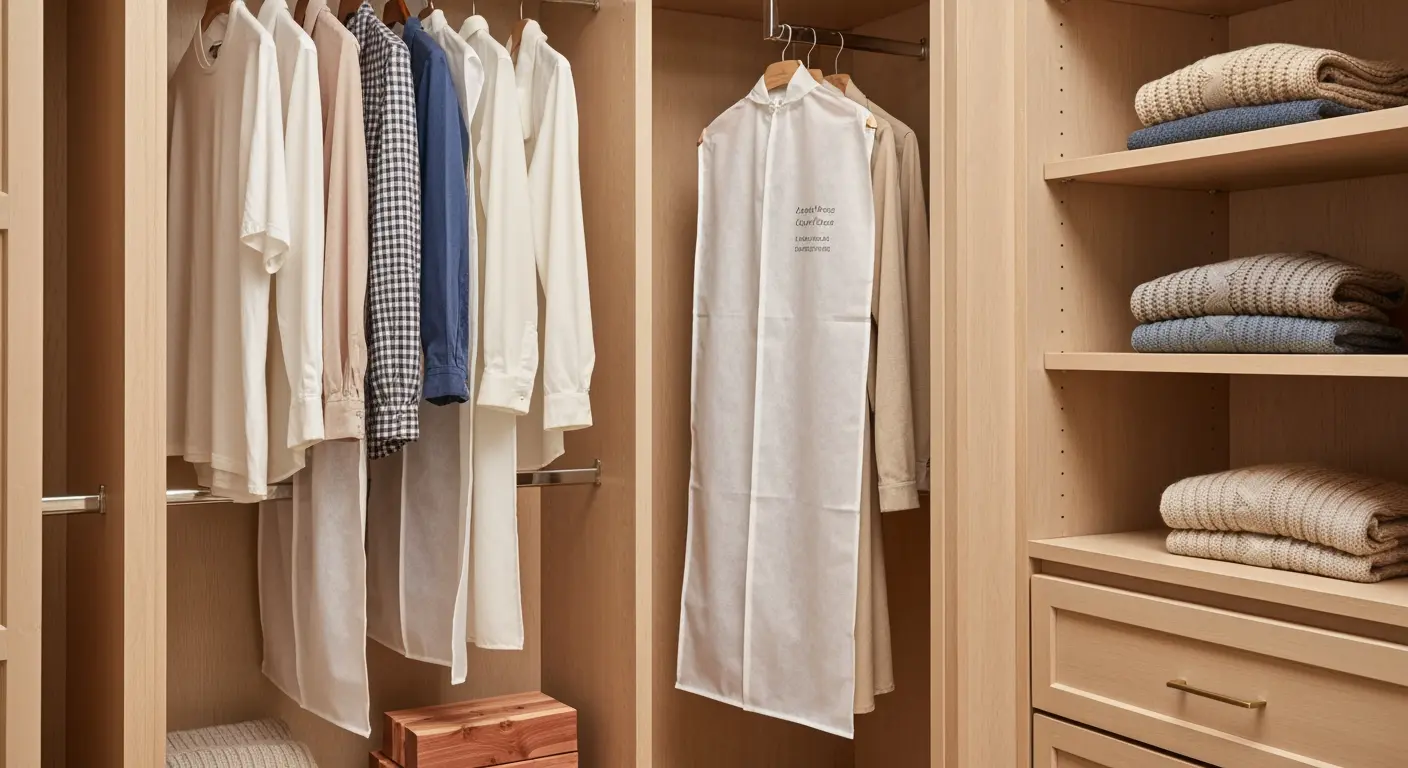
Accessible Transitional Storage: For pieces potentially needed but not in daily rotation. Use breathable garment bags on easy-access closet rod section. Cotton bags allow air circulation while protecting from dust. Items remain accessible for unexpected weather changes without full retrieval from deep storage.
Seasonal Deep Storage: For definitively retired winter pieces. Clean professionally or thoroughly, ensure complete dryness, fold with acid-free tissue, place in breathable cotton storage bags or acid-free boxes. Location should maintain 60-70°F temperature, 50-55% humidity, complete darkness. Under-bed storage acceptable if these conditions met; attics and basements often fail humidity/temperature requirements.
Humidity Control Methods
Humid Climates (Coastal, Southern US, Pacific Northwest):
- Dehumidifier in storage area maintaining 50-55% relative humidity
- Silica gel packets in storage containers (replace every 2-3 months)
- Air circulation—occasional opening of storage containers on dry days
- Never store delicate fabrics in basements or other damp areas
Arid Climates (Southwest, Mountain West):
- Humidifier preventing excessive dryness (below 40% causes fiber brittleness)
- Avoid storing natural fibers near heating vents
- Monitor for static electricity—indicates too-dry conditions
Monitoring Tools: Hygrometer ($15-$30) provides accurate humidity readings. Digital models (ThermoPro, AcuRite) track humidity trends over time, alerting to conditions requiring intervention.
Moth Prevention During Transition
Spring Risk Elevation: Clothes moths (Tineola bisselliella) become more active as temperatures warm. Larvae feed on keratin in natural fibers—cashmere, wool, silk are primary targets. Spring’s warm temperatures accelerate moth lifecycle, increasing damage risk.
Prevention Protocol:
Mandatory Pre-Storage Cleaning: Moths are attracted to body oils, food particles, perspiration residue—not clean fiber. Every piece entering any storage level must be thoroughly cleaned. This single step prevents majority of moth damage.
Cedar Protection: Cedar blocks, chips, or rings emit oils that repel (not kill) moths. Place in storage area but not touching fabric—cedar oils can stain. Refresh cedar annually by light sanding to expose new wood surface. Cedar loses effectiveness after 2-3 years; replace blocks.
Regular Inspection: Check transitional storage monthly. Look for small holes, silk webbing, live moths (small brown insects). Early detection prevents extensive damage. Infested items require immediate isolation and freezing treatment (72 hours at 0°F/-18°C kills all life stages).
Air Exposure: Monthly airing of stored items disrupts moth establishment. Remove pieces from storage, shake gently, expose to sunlight briefly (10-15 minutes), return to storage. Moths prefer undisturbed environments.
Avoid Mothballs: Naphthalene and paradichlorobenzene (traditional mothballs) are toxic, smell persists indefinitely, damage certain dyes. Modern alternatives (lavender sachets, cedar) work adequately when combined with proper cleaning.
Special Considerations for Transitional Pieces
Cotton-Cashmere and Wool-Silk Blends
Blend fabrics combine advantages and vulnerabilities of component fibers. Spring care must address both.
Cotton-Cashmere Sweaters: More durable than pure cashmere, less prone to pilling, but cotton component increases mildew risk in humid storage. Wash more frequently than pure cashmere (after 4-5 wears vs. 6-8 wears). Ensure complete dryness before storage. These blends work perfectly for spring transition—breathable like cotton, warm like cashmere.
Brands: Everlane Cotton-Cashmere ($100-$130), Theory Blend Sweaters ($250-$350), Vince Blended Knits ($200-$300).
Wool-Silk Suiting: Spring-weight tropical wool often contains 5-10% silk for added sheen and drape. Care as wool (dry clean, proper hanging) but avoid extended light exposure that affects silk component. These suits excel for spring business travel—lightweight, wrinkle-resistant, professional appearance.
Brands: Suitsupply Tropical Wool Suits ($400-$600), Ring Jacket Wool-Silk Blazers ($800-$1,200), Brunello Cucinelli Spring Suiting ($2,500-$4,000).
Technical and Performance Fabrics
Modern technical fabrics designed for spring transitions require different care than traditional natural fibers.
Merino-Polyester Blends: Combine merino’s natural properties with synthetic durability and quick-drying. Machine washable, less sensitive to humidity, minimal pilling. Spring transition ideal use case—temperature regulation of merino, easy care of synthetics.
Care: Machine wash cool, mild detergent, tumble dry low or hang dry. Avoid fabric softener (reduces moisture-wicking properties). Store folded; hanging causes less distortion than with pure merino but still risks shoulder dimpling over time.
Brands: Icebreaker Tech Lite ($80-$120), Smartwool Merino Sport ($90-$130), Outdoor Voices merino blends ($75-$100).
DWR-Treated Cotton: Cotton treated with durable water repellent finish for spring rain protection while maintaining cotton breathability. Popular for spring outerwear and travel pieces.
Care: Machine wash maintains DWR effectiveness (washing removes dirt that blocks treatment). Tumble dry low heat reactivates DWR. Reapply treatment (Nikwax Cotton Proof) when water stops beading on surface. Store clean and dry; residual body oils reduce DWR performance.
Brands: Outlier treated cotton ($200-$300), Taylor Stitch waxed cotton ($250-$350), Patagonia organic cotton with DWR ($150-$250).
Spring Wardrobe Rotation Strategy
The Weekly Assessment System
Rather than single seasonal transition, implement weekly wardrobe assessments through spring months (March-May in most US regions).
Sunday Evening Protocol:
Review Week’s Weather: Check 7-day forecast. Temperature range, precipitation probability, humidity levels determine next week’s wardrobe needs.
Adjust Active Rotation: Move pieces between active closet and transitional storage based on forecast. Cold week ahead? Bring cashmere back from transitional storage. Warm forecast? Move heavy wool to storage, bring forward linen and cotton.
Inspect Current Rotation: Check active pieces for needed cleaning, repairs, pressing. Address maintenance issues before week begins rather than discovering wrinkled shirt Monday morning.
Strategic Cleaning: Sunday is ideal for washing pieces needed early in week. Cashmere washed Sunday morning dries completely by Monday evening. Cotton shirts washed Sunday ready for Tuesday wear.
Cost-Per-Wear Optimization During Transition

Spring’s variable weather creates cost-per-wear opportunity through strategic piece selection.
Transitional Winners: Pieces wearable across widest temperature range deliver maximum value during spring.
- Lightweight Merino Cardigans: Work alone at 60°F, layer under blazer at 45°F, over shirt at 70°F. Three-month spring season at 3 wears/week = 36 wears. $200 cardigan = $5.55 per wear in single season.
- Cotton-Cashmere T-Shirts: Solo wear 55-70°F, base layer 40-55°F. Near-daily wear potential. $100 shirt at 60 spring wears = $1.67 per wear.
- Lightweight Wool Trousers: Comfortable across 45-65°F range. Professional appearance throughout spring. $300 trousers at 40 wears = $7.50 per wear.
Transitional Losers: Highly specific pieces with narrow wearability windows.
- Heavy Cashmere Coats: Too warm above 50°F. Spring wear limited to 6-8 occasions. $2,000 coat at 8 spring wears = $250 per wear (though winter wear improves this significantly).
- Linen Suits: Too light below 60°F, wrinkle-prone for professional settings. Limited spring utility. Better value starting June.
Strategic spring wardrobe emphasizes versatile mid-weight pieces maximizing wear frequency during transitional months.
Conclusion
Spring’s transitional nature demands wardrobe care protocols addressing both protection and accessibility. The pieces moving between active wear and storage throughout these months require strategies preventing humidity damage, moth infestation, and premature aging while remaining available for temperature fluctuations.
Success lies in understanding each fabric’s specific vulnerabilities during this season. Lightweight cashmere needs humidity control and frequent assessment for pilling. Cotton demands complete dryness before any storage to prevent mildew. Linen requires balanced moisture to maintain texture. Silk needs protection from both light and humidity. Addressing these material-specific needs preserves investment pieces through spring’s challenging conditions.
The weekly assessment system transforms spring wardrobe management from reactive scrambling to strategic rotation. Regular evaluation of weather forecasts, piece condition, and care needs maintains both garment integrity and daily outfit confidence through months of unpredictable conditions.
At Feinheit FZ LLC, we believe that luxury is about more than just a label—it’s about finding pieces that empower your personal and professional journey. Explore our curated collection of over 11,000 products from the world’s leading brands to find the timeless garments that will define your signature style. Luxe Reward members earn points on all garment care purchases including specialty detergents, storage solutions, and professional cleaning services—ensuring your transitional pieces maintain their value season after season. Discover your power at theFeinheit.
