Strategic spring wardrobe planning saves money and reduces waste. Expert analysis on cost-per-wear economics and investment dressing for seasonal transitions.
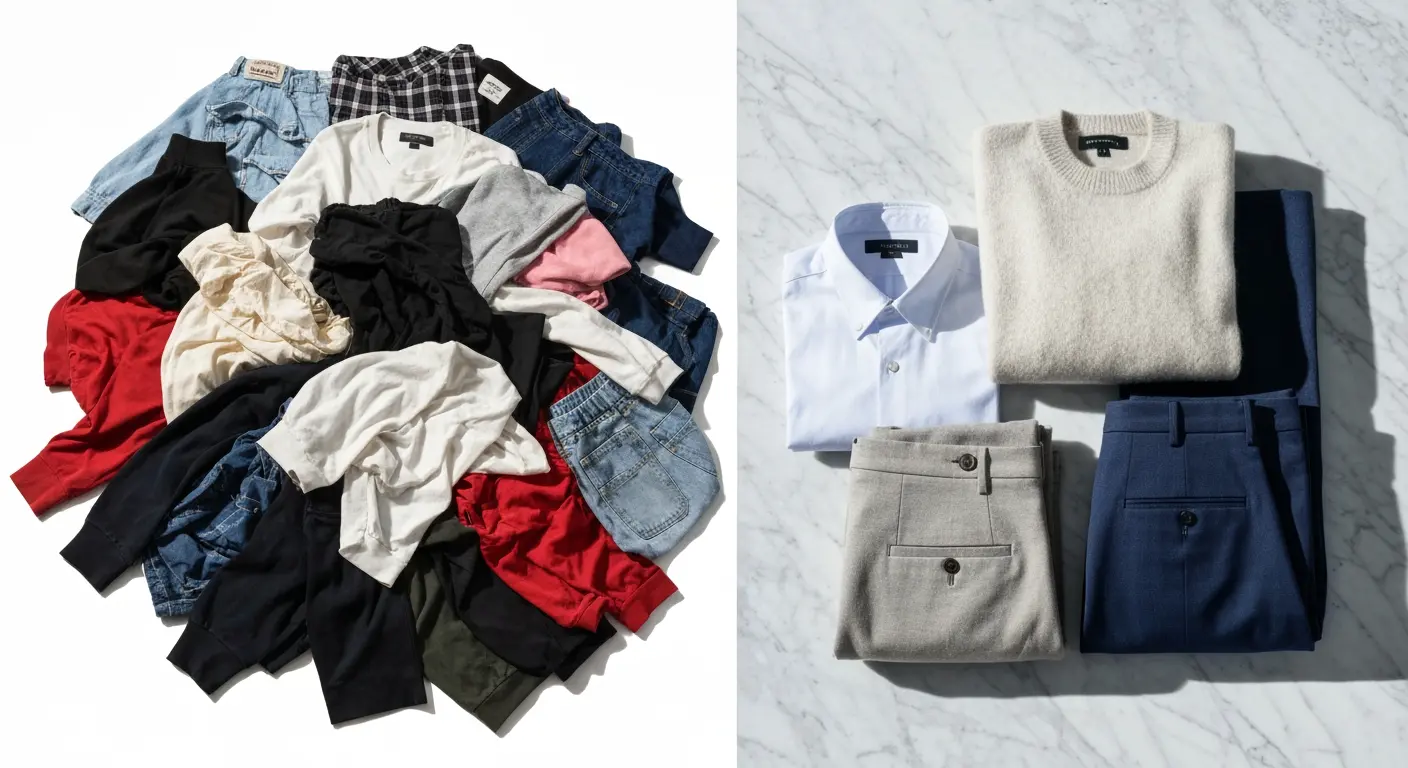
The fashion industry’s seasonal model creates artificial urgency around wardrobe replacement. Marketing narratives suggest spring requires entirely new collections, winter pieces become obsolete, and last year’s purchases are inadequate for current needs. This manufactured cycle generates profit for brands while creating financial strain and environmental waste for consumers who accept these premises uncritically.
The economic reality contradicts this narrative. Spring’s transitional nature makes it the season where strategic wardrobe planning delivers maximum financial return. Pieces selected for versatility across temperature ranges, compatibility with existing wardrobe, and durability through variable conditions generate cost-per-wear value impossible to achieve with season-specific purchases requiring replacement when weather shifts.
This analysis examines the economics underlying spring wardrobe decisions: true cost-per-wear calculations accounting for wear frequency and lifespan, comparative value of investment versus fast fashion approaches, seasonal spending patterns and their long-term financial impact, and wardrobe strategies minimizing expenditure while maximizing utility. The goal: informed decision-making based on economic rationality rather than marketing influence.
The True Cost of Seasonal Wardrobe Cycles
Fast Fashion Economics: The Hidden Expenses
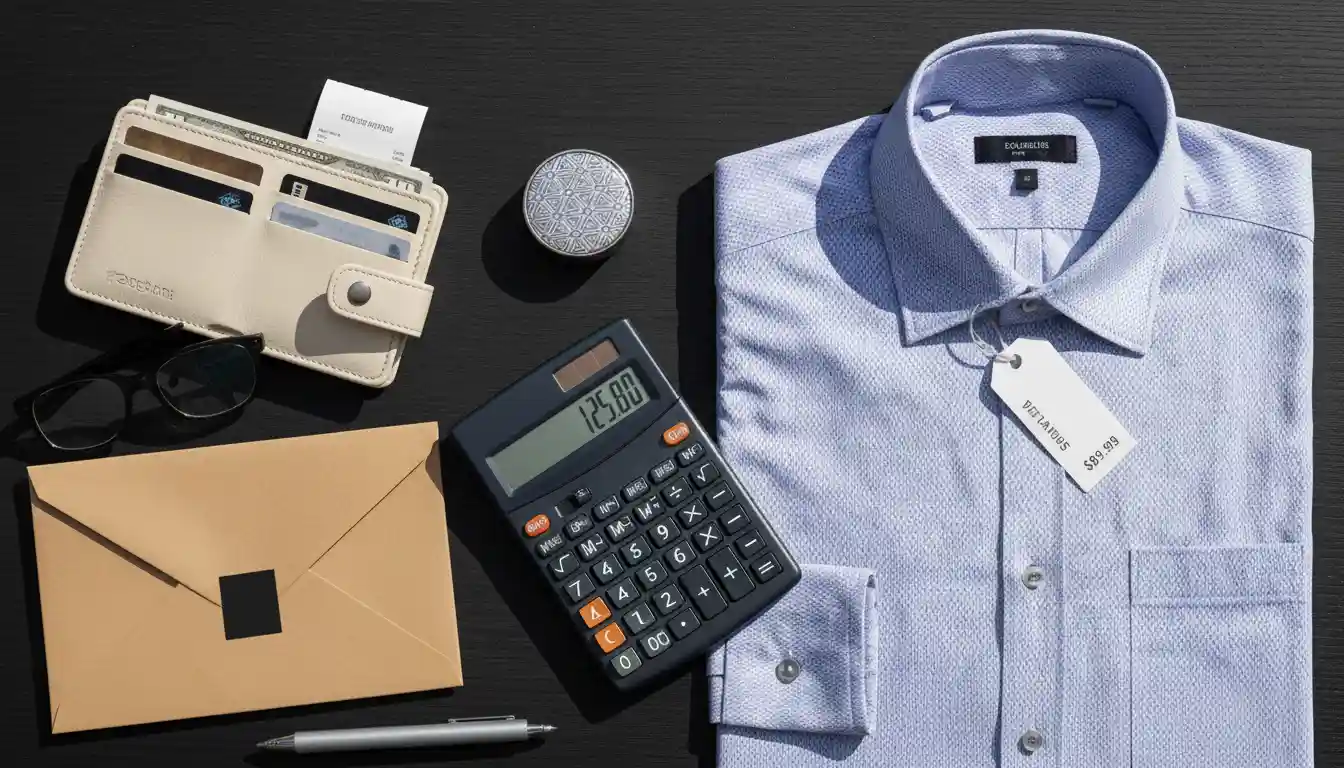
Fast fashion operates on volume-price model: low individual item costs creating perception of affordability while total annual spend remains substantial. Spring collections exemplify this pattern—consumers purchase multiple pieces at low prices, resulting in significant aggregate expenditure that doesn’t register as major investment due to distributed timing.
Typical Fast Fashion Spring Spending Pattern:
Early Spring (March):
- 3 spring shirts @ $30 each = $90
- 2 lightweight sweaters @ $40 each = $80
- 1 spring jacket @ $80 = $80
- 2 pants @ $50 each = $100
- March Total: $350
Mid Spring (April):
- 2 additional shirts @ $30 each = $60
- 1 cardigan @ $45 = $45
- 1 pair shoes @ $70 = $70
- Accessories @ $40 = $40
- April Total: $215
Late Spring (May):
- 2 lighter weight items @ $35 each = $70
- 1 spring coat @ $90 = $90
- Replacement pieces for items showing wear @ $60 = $60
- May Total: $220
Spring Season Total: $785
This appears manageable—no single purchase exceeds $100. However, annual pattern multiplied across four seasons: $785 × 4 = $3,140 annual clothing expenditure from supposedly “affordable” approach.
Hidden Costs Beyond Purchase Price
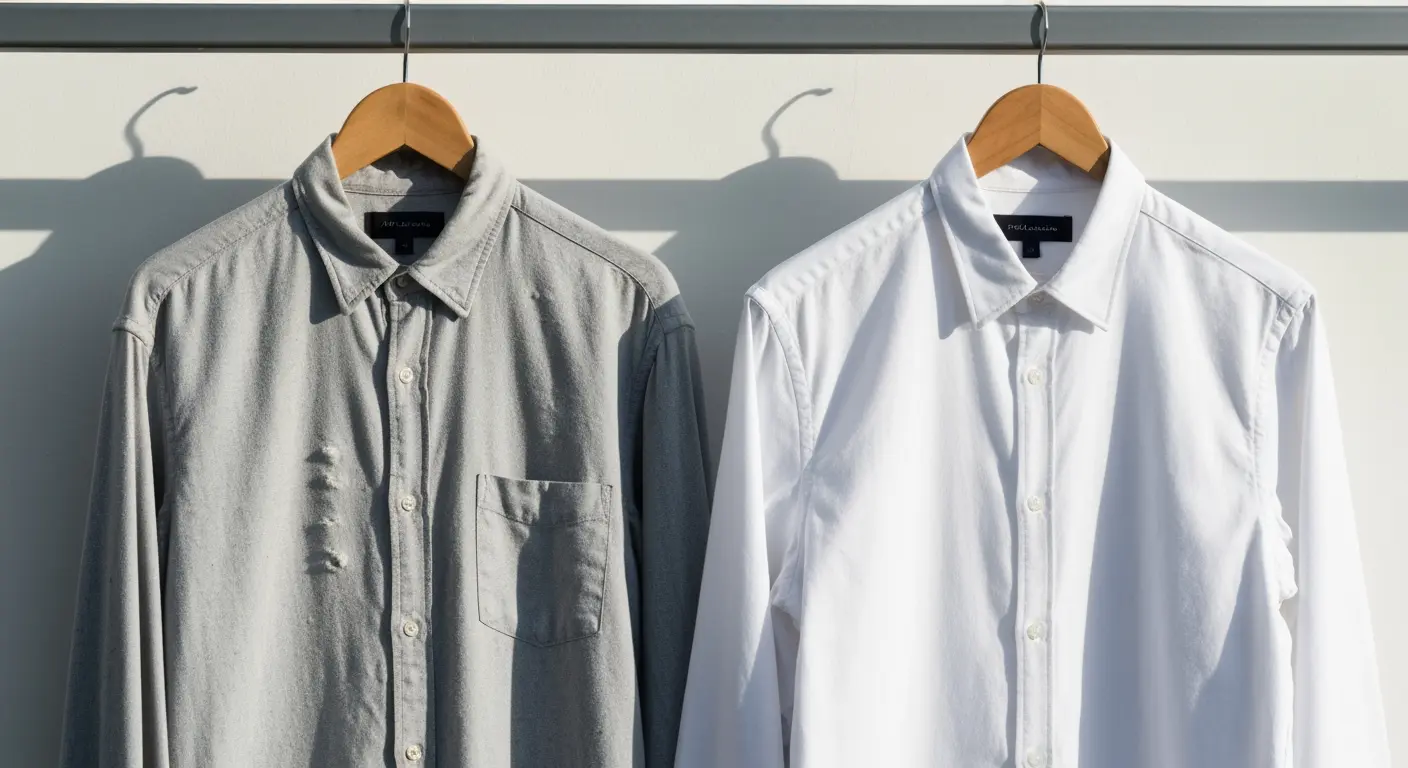
Replacement Frequency: Fast fashion quality necessitates replacement within 6-18 months. A $30 shirt worn 20 times before quality degradation costs $1.50 per wear. That same shirt, if lasting only one spring season, cost $1.50 per wear but provided limited utility. Next spring requires new purchase, restarting cycle.
Dry Cleaning Premium: Synthetic blends common in fast fashion often require dry cleaning despite “machine washable” labels—fabric pills excessively, loses shape, or develops odors with home washing. Dry cleaning costs ($8-$12 per item) accumulate. Five items cleaned four times = $160-$240 additional annual expense.
Wardrobe Churn Time Cost: Frequent replacement requires shopping time. Assume 8 hours quarterly for seasonal shopping = 32 hours annually. At $50/hour opportunity cost (median professional wage), that’s $1,600 annual time value. This “soft cost” rarely enters spending calculations but represents real resource allocation.
Storage and Organization: Volume-based wardrobe requires more closet space. Urban professionals often pay premium for apartment space. If closet space represents $500 annual rent allocation, and fast fashion wardrobe requires 30% more space than curated alternative, that’s $150 annual premium for storage.
Environmental Externality: While not direct financial cost to consumer, textile waste from fast fashion creates environmental burden with potential future cost implications through disposal fees, environmental regulations, or social pressure toward sustainable alternatives.
Total Hidden Costs: $310-$410 annually (excluding time value)
Adjusted Total Annual Fast Fashion Cost: $3,450-$3,550
Investment Wardrobe Economics: Front-Loaded Spending, Long-Term Value
Investment approach inverts fast fashion model: higher per-item costs, fewer pieces, longer lifespan, lower replacement frequency. Spring investment pattern differs dramatically from fast fashion volume purchasing.
Investment Spring Wardrobe Build:
Year 1 Initial Investment:
- 2 quality shirts (Albini fabric) @ $200 each = $400
- 1 cashmere sweater @ $300 = $300
- 1 merino cardigan @ $250 = $250
- 1 quality spring coat @ $600 = $600
- 1 pair chinos (Italian fabric) @ $300 = $300
- 1 pair quality shoes @ $350 = $350
- Year 1 Total: $2,200
Year 2-3 Additions:
- 1 additional shirt per year @ $200 = $200 annually
- 1 knitwear piece per year @ $250-$300 = $275 average
- Years 2-3 Average: $475 annually
Years 4-5:
- Minimal additions, replacement only as needed
- Years 4-5 Average: $200 annually (maintenance, occasional replacement)
Five-Year Investment Total: $2,200 + $950 + $400 = $3,550
Five-Year Fast Fashion Total: $17,750 (assuming $3,550 annual × 5)
Five-Year Savings with Investment Approach: $14,200
This calculation assumes investment pieces lasting 5+ years with proper care (conservative estimate—quality pieces often last 10-15 years). It excludes time savings from reduced shopping frequency and reduced dry cleaning costs (quality natural fibers typically wash better than synthetic blends).
Cost-Per-Wear Analysis: The True Value Metric
Calculating Actual Cost-Per-Wear
Cost-per-wear provides more accurate value assessment than purchase price alone. Formula: Purchase Price ÷ (Estimated Wears × Years of Use) = Cost Per Wear
Example 1: Fast Fashion Dress Shirt
- Purchase Price: $30
- Estimated Wears: 20 (quality degrades—pilling, fading, loose buttons)
- Years of Use: 1 (unwearable after one season due to quality issues)
- Cost Per Wear: $30 ÷ 20 = $1.50
Example 2: Quality Shirt (Albini Fabric)
- Purchase Price: $200
- Estimated Wears: 150 (30 wears/year × 5 years, conservative)
- Years of Use: 5 minimum (quality shirts last 7-10 years with care)
- Cost Per Wear: $200 ÷ 150 = $1.33
Quality shirt costs less per wear despite 567% higher purchase price. This pattern repeats across categories when comparing durable quality versus planned-obsolescence fast fashion.
Example 3: Spring Outerwear Comparison
Fast Fashion Rain Jacket:
- Purchase Price: $80
- Estimated Wears: 30 (waterproofing degrades, zipper fails, fabric tears)
- Years of Use: 2
- Cost Per Wear: $80 ÷ 30 = $2.67
Quality Rain Jacket (Technical Fabric or Waxed Cotton):
- Purchase Price: $400
- Estimated Wears: 200 (20 wears/year × 10 years)
- Years of Use: 10 (quality outerwear lasts decades with care)
- Cost Per Wear: $400 ÷ 200 = $2.00
Again, quality piece costs less per wear while providing superior performance (better waterproofing, more comfortable, maintains appearance).
Spring Season Multiplier Effect
Spring’s transitional nature amplifies cost-per-wear advantages of versatile pieces. Items wearable across wide temperature range (45-70°F) see more frequent use than season-specific pieces.
Transitional Piece: Lightweight Merino Cardigan
- Purchase Price: $250
- Spring wears (March-May): 36 (3/week × 12 weeks)
- Fall wears (September-November): 36 (3/week × 12 weeks)
- Winter layering wears: 12 (occasional mid-layer)
- Summer evening wears: 8 (air-conditioned offices, cool evenings)
- Annual Total: 92 wears
- 5-year lifespan: 460 wears
- Cost Per Wear: $250 ÷ 460 = $0.54
Season-Specific Piece: Heavy Spring Blazer
- Purchase Price: $200 (lower quality, season-limited use)
- Spring wears: 20 (too heavy for warm days, not warm enough for cold days)
- Other seasons: 0 (weight inappropriate)
- Annual Total: 20 wears
- 3-year lifespan: 60 wears
- Cost Per Wear: $200 ÷ 60 = $3.33
Versatile piece at higher purchase price delivers 6× better cost-per-wear value through extended utility across seasons and years.
Strategic Spring Spending: Maximizing Wardrobe ROI

The 80/20 Principle Applied to Wardrobe Economics
Pareto Principle suggests 80% of wardrobe wear comes from 20% of pieces. Spring wardrobes particularly demonstrate this distribution. Strategic spending concentrates budget on high-frequency items while minimizing investment in occasional-wear pieces.
High-Frequency Spring Items (80% of wears):
- Base layer shirts (dress shirts, OCBDs, t-shirts)
- Everyday trousers (chinos, appropriate-weight wool)
- Core mid-layers (cardigan, crew neck sweater)
- Primary outerwear (raincoat or field jacket)
- Daily footwear (versatile sneakers or loafers)
Investment Priority: Allocate 70-80% of spring budget to these categories
Low-Frequency Spring Items (20% of wears):
- Blazers (worn weekly or less in business casual environments)
- Dress shoes (occasional formal contexts)
- Specialty outerwear (specific weather conditions)
- Accent pieces (pocket squares, ties if worn)
Investment Priority: Allocate 20-30% of budget, consider mid-tier quality sufficient
Practical Spring Spending Framework
Budget: $2,000 Spring Wardrobe Investment
High-Frequency Allocation ($1,500 – 75% of budget):
- Shirts (2): $400 (Albini or Thomas Mason fabric, $200 each)
- Trousers (2): $500 (Italian fabric, $250 each)
- Cardigan: $250 (quality merino or cashmere)
- Primary Outerwear: $350 (raincoat or field jacket)
Low-Frequency Allocation ($500 – 25% of budget):
- Blazer: $300 (mid-tier construction, good fabric)
- Footwear: $200 (quality sneakers or loafers)
This distribution ensures pieces seeing daily or near-daily wear receive quality investment while occasional-wear items get adequate quality without budget over-allocation.
Replacement Timing Strategy
Investment pieces require eventual replacement, but timing maximizes value extraction.
Replacement Indicators:
- Structural Failure: Unrepairable tears, failed seams, worn-through fabric (replace immediately)
- Performance Degradation: Lost water resistance, diminished warmth, excessive pilling (assess repair/restore options first)
- Fit Changes: Body changes making piece unwearable (consider tailoring before replacement)
- Style Evolution: Piece no longer matches wardrobe direction (lowest priority—often subjective rather than necessary)
Replacement Schedule for Spring Essentials:
- Shirts: 5-7 years with rotation and care (earlier if worn 3+ times weekly)
- Knitwear: 7-10 years for quality cashmere/merino (proper storage and care essential)
- Trousers: 4-6 years (seat and knee wear accumulates faster than upper body garments)
- Outerwear: 10-15 years for quality construction (longest lifespan of wardrobe categories)
- Footwear: 3-5 years depending on wear frequency (resoling extends life significantly)
Comparative Analysis: Investment Strategies Across Consumer Segments
Professional Income Levels and Optimal Strategies
Early Career Professional ($50,000-$75,000 annual income):
Budget Recommendation: 3-5% annual income on clothing = $1,500-$3,750
Optimal Strategy: Build core wardrobe over 2-3 years rather than attempting comprehensive coverage immediately. Prioritize versatile pieces with highest wear frequency. Accept mixing quality tiers—invest in daily-wear items (shirts, trousers, core outerwear) while accepting mid-tier options for occasional-wear pieces (blazers, dress shoes).
Spring Allocation:
- Year 1: $800 (2 quality shirts, 1 cardigan, 1 pair chinos)
- Year 2: $900 (1 quality outerwear, 1 sweater, 1 blazer)
- Year 3: $600 (fill gaps, add variety)
- Three-Year Total: $2,300
This staged approach avoids debt while building quality wardrobe. By Year 4, replacement needs are minimal—wardrobe is established.
Mid-Career Professional ($100,000-$150,000 annual income):
Budget Recommendation: 3-4% annual income = $3,000-$6,000
Optimal Strategy: Build comprehensive seasonal wardrobes over 1-2 years. Prioritize investment-tier pieces for professional contexts while accepting premium-tier for casual wear. Focus on brands using heritage mill fabrics and quality construction.
Spring Allocation:
- Year 1: $3,500 (complete spring capsule at premium tier—includes shirts, knitwear, trousers, outerwear, footwear)
- Year 2: $1,000 (additions for variety, one investment piece)
- Two-Year Total: $4,500
Wardrobe established quickly, minimal ongoing expenses beyond occasional additions and eventual replacements.
Established Professional ($200,000+ annual income):
Budget Recommendation: 2-3% annual income = $4,000-$6,000+
Optimal Strategy: Build investment-tier wardrobe immediately. Prioritize finest materials (Loro Piana, Brunello Cucinelli) and bespoke/made-to-measure options where appropriate. Focus on pieces lasting 10-15+ years with minimal replacement needs.
Spring Allocation:
- Year 1: $6,000+ (comprehensive investment-tier spring wardrobe)
- Ongoing: $1,000-$2,000 annually (additions, replacements)
Higher purchase prices justified by superior cost-per-wear over extended lifespans and professional appearance requirements.
Urban vs. Suburban vs. Rural Considerations
Urban Professionals: Higher clothing budget justified by professional visibility, social expectations, limited car use (walking exposes clothing to more wear and weather). Prioritize quality outerwear, footwear (high wear from walking), and professional layers.
Suburban Professionals: Car commuting reduces weather exposure and walking wear. Can allocate more budget to office-visible pieces (shirts, sweaters, blazers) while accepting mid-tier outerwear and footwear.
Rural/Remote Workers: Professional clothing needs often minimal. Prioritize versatile casual pieces working across contexts. Investment outerwear for weather protection, mid-tier or entry-tier everything else unless specific professional requirements exist.
Environmental and Ethical Economic Considerations
True Cost Accounting: Environmental Impact
Fast fashion’s low prices externalize environmental costs. Textile production consumes significant water, energy, and chemicals. Garment disposal creates landfill burden. While consumers don’t directly pay these costs, they exist and eventually manifest through environmental degradation, regulation, or remediation expenses.
Fast Fashion Environmental Footprint (per garment average):
- Water usage: 2,700 liters (cotton shirt production)
- CO2 emissions: 6.7 kg (polyester garment)
- Lifespan: 1-2 years before disposal
- Disposal: 85% of textiles to landfill
Investment Piece Environmental Footprint:
- Water usage: Similar initial production
- CO2 emissions: Amortized over 10+ year lifespan
- Disposal: Higher repair/resale rate, delayed landfill
Longer lifespan dramatically reduces per-wear environmental impact even when production footprint identical.
Labor Economics and Ethical Production
Fast fashion pricing often depends on labor cost minimization through overseas production with minimal worker protections. Investment brands increasingly emphasize ethical production—living wages, safe conditions, reasonable hours. These costs appear in purchase price but represent genuine value if consumers prioritize labor standards.
Labor Cost Comparison:
- Fast Fashion Shirt: $30 retail, ~$6 production cost, ~$1 labor cost (Bangladesh/China standard wage)
- Investment Shirt: $200 retail, ~$60 production cost, ~$15 labor cost (Italian production, fair wage)
Higher labor cost in investment piece supports better working conditions. Consumers choosing investment pieces implicitly support higher labor standards, though this rarely factors explicitly into purchase decisions.
Conclusion
Spring wardrobe economics favor strategic investment over volume purchasing. The cost-per-wear analysis consistently demonstrates quality pieces delivering superior value despite higher purchase prices. Five-year comparison shows investment approach saving $14,000+ compared to fast fashion spending while providing better-performing wardrobe requiring less management time.
The economic rationality extends beyond individual financial benefit. Investment pieces reduce environmental impact through extended lifespan. Quality production often correlates with better labor standards. The external costs fast fashion externalizes eventually manifest as environmental remediation expenses or regulatory compliance—costs society bears even when individual consumers don’t pay directly.
Strategic spring spending concentrates budget on high-frequency pieces while minimizing investment in occasional-wear items. This 80/20 approach maximizes wardrobe utility per dollar invested. The result: professional appearance maintained, financial resources conserved, environmental impact reduced, and ownership confidence established through pieces earning their value across seasons and years.
At Feinheit FZ LLC, we believe that luxury is about more than just a label—it’s about finding pieces that empower your personal and professional journey. Explore our curated collection of over 11,000 products from the world’s leading brands to find the timeless garments that will define your signature style. Our spring collection emphasizes investment-worthy pieces engineered for extended lifespan and versatile utility—discover wardrobe economics that favor quality over volume. Discover your power at theFeinheit.
