Elevating Luxury, Respecting the Planet
Luxury shoppers are demanding sustainable practices. This listicle explores eight key trends in sustainable luxury packaging that are reshaping the industry. Learn how biodegradable materials, refillable systems, minimalist design, and other innovations are creating premium packaging with a lower environmental impact. Discover how brands are embracing responsible sourcing, smart technology, and even waterless production to deliver luxury that's both opulent and eco-conscious.
1. Biodegradable and Compostable Materials
In the realm of sustainable luxury packaging, biodegradable and compostable materials are leading the charge. This strategy centres around replacing conventional, non-degradable packaging (like plastic and Styrofoam) with innovative alternatives that break down naturally through biological processes. This shift allows luxury brands to maintain the high-end aesthetic their clientele expects while significantly reducing their environmental footprint. For UK consumers increasingly concerned about sustainability, this approach offers a tangible way to align their values with their purchasing decisions.

This approach utilises materials like bagasse (a byproduct of sugarcane processing), mushroom packaging (made from mycelium, the root structure of mushrooms), seaweed-based materials, and PLA (polylactic acid), a bioplastic derived from corn starch or sugarcane. These materials can be engineered to mimic the look and feel of traditional luxury packaging—smooth textures, rich colours, and structural integrity—without relying on environmentally damaging resources.
Features and Benefits:
- Natural Decomposition: These materials break down in natural environments (home composting) or industrial composting facilities, returning to the earth as nutrient-rich compost.
- Renewable Sourcing: Often derived from renewable plant-based sources, contributing to a circular economy.
- Luxury Aesthetics: Can be designed to replicate the premium appearance and tactile experience of traditional luxury materials.
- Certified Compostability: Requires certifications like EN 13432 or ASTM D6400 to verify compostability and ensure consumer trust.
Pros:
- Reduced Landfill Waste: Diverts waste from landfills, minimizing environmental impact.
- Lower Carbon Footprint: Potentially reduces greenhouse gas emissions compared to conventional packaging.
- Positive Brand Storytelling: Creates opportunities to engage consumers with narratives around material innovation and environmental responsibility.
- Microplastic Prevention: Avoids the release of persistent microplastics into the environment.
Cons:
- Durability and Shelf Life: May have a shorter shelf life or be less durable than conventional materials, requiring careful consideration for product protection.
- Composting Infrastructure: Often requires industrial composting facilities, which may not be readily accessible in all areas. Home composting may be an option depending on the material.
- Cost: Can be more expensive than traditional packaging, potentially impacting product pricing.
- Consumer Perception: Some consumers may perceive bio-materials as less premium than traditional options, necessitating clear communication about their benefits.
Examples of Successful Implementation:
- Stella McCartney: Utilizes Mylo™, a mycelium-based leather alternative, for packaging, demonstrating a commitment to innovative, sustainable materials.
- Guerlain: Adopted hemp-based packaging for their Orchidée Impériale cream line, showcasing the potential of plant-based materials in luxury beauty.
- LUSH Cosmetics: Employs compostable packaging peanuts made from potato starch, offering a practical and eco-friendly alternative to polystyrene.
- Veuve Clicquot: Developed biodegradable champagne packaging made from grape skins and recycled paper, aligning with their brand heritage and sustainability goals.
Tips for Implementation:
- Clear Disposal Instructions: Clearly communicate disposal instructions to consumers (e.g., home compostable vs. industrial composting).
- Lifecycle Assessment: Consider the entire lifecycle of the packaging, from sourcing and manufacturing to disposal and potential for reuse.
- Durability Testing: Thoroughly test the material's durability and protective qualities before full implementation.
- Collaboration with Experts: Partner with materials scientists to develop custom solutions tailored to specific product requirements.
- Material Selection: Choose materials appropriate for the product's protection needs, considering factors like moisture sensitivity, fragility, and shelf life.
Popularized By: Ecovative Design (mushroom packaging), NatureFlex (cellulose-based films), Kering Group's sustainability initiatives, and the Ellen MacArthur Foundation's circular economy advocacy have all played a significant role in popularizing biodegradable and compostable materials for packaging.
Biodegradable and compostable materials deserve a prominent place in any discussion of sustainable luxury packaging because they offer a viable pathway toward reducing environmental impact without compromising the premium experience expected by luxury consumers. By embracing these innovative materials, brands can demonstrate their commitment to sustainability, engage discerning customers, and contribute to a more circular economy.
2. Refillable and Reusable Packaging Systems
Refillable and reusable packaging systems represent a significant step towards sustainable luxury packaging. This strategy centres around creating high-quality, durable primary packaging designed to be kept and reused multiple times. Instead of discarding the packaging after a single use, consumers refill the product using simplified, eco-friendly refill pouches or cartridges. This establishes a circular system, minimising waste and fostering a stronger connection between the brand and the consumer. This approach elevates the perceived value of the product, transforming the packaging from a disposable item into a cherished possession. For UK consumers increasingly conscious of their environmental impact, refillable luxury packaging offers a compelling alternative to traditional single-use options.

Successful implementations of this model are becoming increasingly prominent within the luxury market. Brands like Kjaer Weis offer cosmetics in elegant, refillable metal compacts, while Le Labo provides perfume refills in recyclable pouches designed for their reusable glass bottles. Guerlain’s Bee Bottle refill program for fragrances and Hermès' refillable lipstick cases further exemplify this trend, showcasing how luxury and sustainability can coexist. Even L'Occitane has embraced this approach with their eco-refill pouches, using 90% less plastic than their standard bottles. These examples demonstrate the growing commitment to sustainable luxury packaging among high-end brands.
This approach deserves a place on this list because it effectively tackles the issue of excessive packaging waste prevalent in the luxury sector while simultaneously enhancing the customer experience. The durable, often beautifully designed primary packaging becomes a symbol of the brand, a keepsake that reinforces the consumer's connection with the product. This fosters brand loyalty and provides a sense of exclusivity, aligning perfectly with the values of the luxury market.
Features and Benefits:
- Durable, premium primary packaging: Elevates the product's perceived value and transforms it into a collectible item.
- Simplified, minimal refill packaging: Reduces waste and lowers the environmental footprint.
- Easy refill mechanisms: Ensures a seamless and user-friendly experience while preserving product integrity.
- Take-back or return programs: Incentivises recycling and further reduces waste.
- Recurring customer touchpoints: Strengthens brand loyalty and provides opportunities for upselling.
Pros:
- Significant reduction in packaging waste: A core benefit for environmentally conscious consumers.
- New revenue streams through refill sales: Offers a sustainable business model.
- Enhanced perceived value: Premium, reusable packaging reinforces the luxury experience.
- Stronger customer relationships: Fosters brand loyalty and repeat business.
- Positive brand image: Positions the brand as innovative and environmentally responsible.
Cons:
- Higher initial investment: Designing durable, reusable packaging can be more costly.
- Logistics of refill distribution and returns: Requires a robust system for managing refills and returns.
- Potential consumer resistance: Some consumers may be hesitant to adopt new consumption patterns.
- Maintaining luxury aesthetics with simplified refills: Balancing sustainability with the high aesthetic standards of luxury can be challenging.
Tips for Implementation:
- Design intuitive, mess-free refill systems: Prioritise ease of use for a positive customer experience.
- Offer incentives for returning empty containers: Encourage participation in take-back programs.
- Educate consumers: Clearly communicate the environmental and economic benefits of refillable systems.
- Ensure refill packaging maintains product quality and safety: Preserve the integrity of the product.
- Calculate and communicate environmental savings: Transparency builds trust and reinforces the brand's commitment to sustainability.
Initiatives like Loop by TerraCycle and The Body Shop's refill stations have popularised this concept, paving the way for wider adoption within the luxury sector. By embracing refillable and reusable packaging systems, luxury brands in the UK can cater to the growing demand for sustainable practices while simultaneously enhancing brand loyalty and creating a more circular, responsible approach to luxury consumption.
3. Minimalist Packaging Design
Minimalist packaging design, a key element of sustainable luxury packaging, embraces the "less is more" philosophy. It prioritizes elegant simplicity over elaborate embellishments, reducing material usage without compromising the luxurious feel. This is achieved by stripping away unnecessary layers, inserts, and decorative elements, instead focusing on high-quality materials, refined structural design, and carefully considered details like thoughtful typography and a limited colour palette. Minimalist luxury packaging conveys sophistication through restraint and precision, letting the product speak for itself. This approach aligns perfectly with the growing consumer desire for sustainable practices without sacrificing the premium experience expected from luxury goods.

Brands successfully employing this strategy include Aesop, with its apothecary-inspired amber glass bottles and simple labels; Tiffany & Co., maintaining their iconic blue box in a simplified form; and Chanel, utilizing sleek black and white packaging with minimal ornamentation. Even tech giant Apple demonstrates this principle with product packaging that emphasizes structural design and material quality. Issey Miyake’s fragrance bottles, with their architectural minimalism, are another prime example. These brands demonstrate that minimalist packaging can be just as, if not more, impactful than overly designed alternatives.
Features and Benefits of Minimalist Luxury Packaging:
- Reduced Material Usage: Streamlined designs minimize material consumption and waste, appealing to environmentally conscious consumers.
- Structural Elegance: The focus shifts from ornate decoration to the inherent beauty of the packaging's form and the quality of its materials.
- Enhanced Recyclability: Single-material approaches simplify the recycling process, further contributing to sustainability efforts.
- Distinctive Brand Identity: In crowded luxury markets, minimalism can create a unique and memorable brand presence.
- Cost-Effectiveness: While utilizing premium materials, minimalist packaging can often be more cost-effective due to reduced manufacturing complexity.
Pros:
- Significantly reduces material consumption and waste.
- Often more cost-effective despite the use of premium materials.
- Appeals to evolving consumer aesthetics valuing simplicity and sustainability.
- Easier to recycle due to fewer mixed materials.
- Creates a distinctive brand identity in overcrowded markets.
Cons:
- Risk of appearing less luxurious to some traditional consumers accustomed to elaborate packaging.
- Requires exceptional design expertise to achieve a premium feel with less.
- May provide less physical protection without additional layers.
- Offers fewer opportunities for detailed brand storytelling through the packaging itself.
Tips for Implementing Minimalist Luxury Packaging:
- Invest in high-quality, sustainable materials: This maintains the luxurious feel while aligning with eco-conscious values. Think recycled or recyclable card, organic cotton, or innovative bio-based materials.
- Use texture and tactile elements: Create sensory richness through embossing, debossing, or unique paper textures.
- Focus on structural design: A memorable unboxing experience can be achieved through innovative structural design rather than superfluous elements.
- Use negative space strategically: Draw attention to the product and create a sense of elegance and sophistication.
Why Minimalist Packaging Deserves its Place in Sustainable Luxury:
Minimalist packaging design effectively addresses the growing demand for sustainable luxury in the UK and beyond. It caters to the digitally savvy, style-conscious millennial and Gen Z consumer who appreciates quality and exclusivity while also prioritizing environmental responsibility. This approach, popularized by figures like Dieter Rams and influenced by Scandinavian and Japanese minimalist aesthetics, aligns perfectly with current trends. By focusing on essential elements and eliminating excess, minimalist packaging elevates the perceived value of the product and reinforces a brand's commitment to sustainability, resonating with discerning consumers who seek both luxury and responsibility in their purchasing decisions.
4. Upcycled and Recycled Materials
Upcycled and recycled materials represent a cutting-edge approach to sustainable luxury packaging. This strategy goes beyond simply using recycled content; it transforms waste materials and byproducts into high-value packaging that embodies luxury and sustainability. Through innovative processing techniques, creative design, and often, artisanal approaches, discarded resources are elevated into desirable, premium packaging. The result is packaging with a unique character and an authentic sustainability story rooted in material transformation and waste reduction. This approach resonates particularly well with today's discerning luxury consumers who are increasingly eco-conscious and seek brands that align with their values.
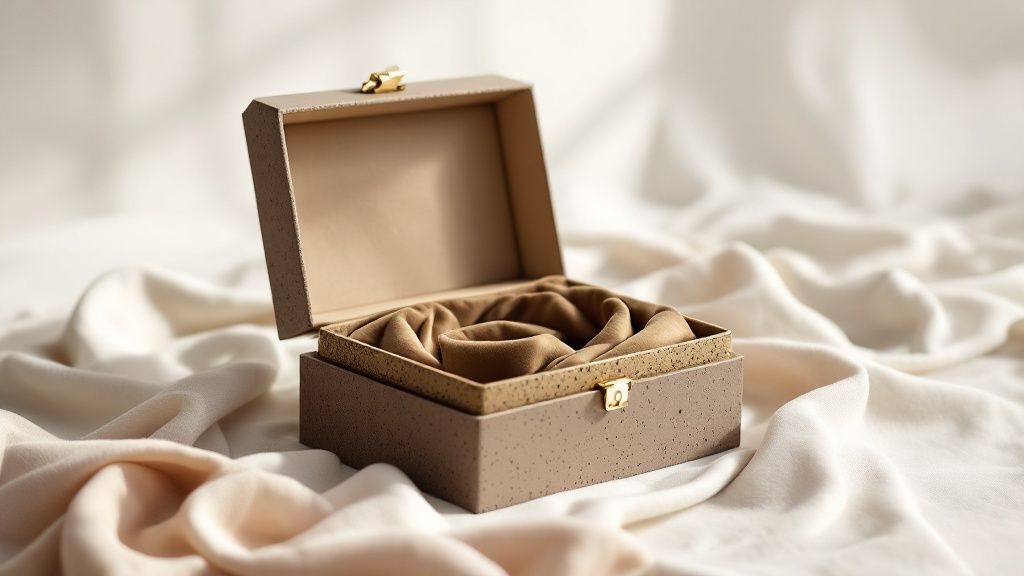
Upcycled and recycled luxury packaging often showcases the visible texture or characteristics of the original materials, creating a distinctive aesthetic. For instance, imagine packaging made from reclaimed wood with its natural grain or from recycled glass with a unique subtle hue. This approach combines traditional craftsmanship with innovative material science to create unique, non-replicable aesthetic qualities. It also closes material loops by extending the life of existing resources, contributing to a circular economy. Even industries like takeout are embracing sustainable practices. For ideas on how even everyday packaging can be more environmentally friendly, check out this article on eco-friendly / sustainable takeout packaging solutions.
Several luxury brands have successfully implemented this strategy. Penhaligon's uses recycled coffee cups for their perfume packaging, while Glenmorangie creates whisky packaging from recycled oyster shells. Elvis & Kresse crafts luxury packaging from decommissioned fire hoses, and Selfridges uses recycled coffee cups and post-consumer waste for their gift boxes. Burberry also utilises upcycled cotton from textile manufacturing waste for its packaging. These examples demonstrate the versatility and potential of upcycled and recycled materials in creating sustainable luxury packaging.
Pros:
- Diverts waste from landfills and reduces virgin material demand.
- Creates distinctive packaging with a unique story and provenance.
- Supports circular economy principles in luxury contexts.
- Provides opportunities for collaboration with artisans and material innovators.
- Often reduces water usage and carbon emissions compared to virgin materials.
Cons:
- Can be challenging to ensure consistent quality and appearance.
- May require specialized manufacturing processes or suppliers.
- Sometimes more expensive than conventional recycled materials.
- Regulatory compliance can be complex for food or cosmetic packaging.
Tips for Implementing Upcycled and Recycled Materials:
- Partner with material innovation companies specializing in specific waste streams.
- Consider sourcing local waste materials for compelling storytelling and reduced transportation costs.
- Maintain transparency about recycled content percentages.
- Thoroughly test material durability and safety before implementation, particularly for items shipped within the UK.
- Document material sourcing for authentic sustainability communication.
Pioneers in this field include Parley for the Oceans, known for their ocean plastic innovation, Freitag with their truck tarpaulin upcycling, William McDonough's Cradle to Cradle design philosophy, fashion designer Stella McCartney's pioneering work in luxury sustainability, and Material ConneXion's sustainable material library and consulting services. By adopting upcycled and recycled materials, luxury brands can significantly enhance their sustainability efforts while creating packaging that is both beautiful and environmentally responsible. This approach not only reduces environmental impact but also adds a unique and compelling narrative to the brand story, appealing to the growing number of conscious consumers in the UK and globally.
5. Responsible Supply Chain and Localized Production
In the realm of sustainable luxury packaging, responsible supply chain management and localized production are paramount. This approach prioritizes the entire packaging lifecycle, from the ethical sourcing of materials to minimizing transportation emissions. It's a holistic strategy that intertwines environmental responsibility with social and economic benefits, creating a truly sustainable model for luxury goods. This method deserves its place on this list because it addresses the often-overlooked impact of global supply chains on the environment and local communities, offering a more conscious and impactful approach to luxury.
How it Works:
This strategy involves establishing transparent and ethical supply chains by sourcing materials from sustainable forests, recycled sources, or other renewable options. It emphasizes fair labor practices and safe working conditions for everyone involved. Crucially, it promotes local or regional production, reducing the distance materials travel and minimizing the associated carbon footprint. Working with local artisans and manufacturers further strengthens local economies and preserves traditional craftsmanship. Features like chain-of-custody certification for materials and close relationships with suppliers ensure transparency and accountability.
Examples of Successful Implementation:
Several luxury brands are leading the way in localized and responsible packaging:
- Lush: Their 'Knot Wraps', reusable fabric gift wraps, are made by a community-focused production centre in Kenya, empowering local artisans and promoting a circular economy.
- Neal's Yard Remedies: This UK-based company sources FSC-certified packaging materials from UK forests, minimizing transport emissions and supporting sustainable forestry practices.
- Estée Lauder: Their partnership with Aveda utilizes post-consumer recycled material from local sources, reducing waste and promoting circularity.
- Louis Vuitton: Investing in French paper mills ensures their packaging is made from sustainably managed forests, supporting local industry and reducing transportation.
- Tata Harper: This Vermont-based skincare brand produces its glass packaging near its headquarters, minimizing its carbon footprint and supporting regional businesses.
Actionable Tips for Implementation:
- Transparency is Key: Implement blockchain or other tracking technology to ensure complete transparency throughout your supply chain. This allows consumers to trace the journey of materials and builds trust.
- Start Small: Begin by localizing key packaging components rather than trying to overhaul your entire system at once. This allows for a manageable transition.
- Share the Story: Highlight the stories of your local artisans and producers in your marketing materials. This adds authenticity and value to your brand while educating consumers about the benefits of localized production.
- Plan for Seasonality: Consider the seasonal availability of natural materials when planning your production schedule.
- Invest in Relationships: Building strong, long-term relationships with your suppliers is crucial for success. Invest in supplier development to ensure shared sustainability goals.
Pros and Cons:
Pros:
- Reduced Carbon Footprint: Minimizes emissions from transportation and material sourcing.
- Local Economic Support: Creates jobs and strengthens local economies.
- Preservation of Craftsmanship: Supports traditional skills and techniques.
- Authentic Storytelling: Provides a compelling narrative about your brand's values and commitment to sustainability.
- Resilient Supply Networks: Diversifies sourcing and reduces reliance on single suppliers.
- Improved Quality Control: Allows for closer monitoring of production and stronger relationships with suppliers.
Cons:
- Increased Complexity: Managing a localized supply chain can be more complex than centralized mass production.
- Scalability Challenges: Localizing production can sometimes limit scalability and standardization across global markets.
- Potential Cost Increase: Localized production can sometimes be more expensive than centralized manufacturing.
- Investment in Relationships: Requires significant investment in building and maintaining supplier relationships and conducting audits.
When and Why to Use This Approach:
This approach is ideal for luxury brands committed to genuine sustainability. It aligns particularly well with brands targeting environmentally and socially conscious consumers, especially within the UK, where there's growing awareness of the importance of supporting local businesses and reducing environmental impact. This strategy allows brands to differentiate themselves through authentic storytelling and a demonstrable commitment to ethical and responsible practices. It is particularly relevant for brands seeking to build trust and loyalty with discerning customers who value transparency and sustainability. While there may be challenges to overcome, the long-term benefits for the environment, local communities, and your brand's reputation make responsible supply chain management and localized production a worthwhile investment.
Popularized By: Several organizations champion and certify sustainable supply chain practices, including the Cradle to Cradle Products Innovation Institute, Fashion Revolution, Carbon Trust, Positive Luxury, and the FSC (Forest Stewardship Council). Their certifications provide valuable benchmarks and guidance for brands seeking to implement this strategy.
6. Smart Packaging and Digital Integration
Smart packaging and digital integration represent a cutting-edge approach to sustainable luxury packaging, seamlessly blending technology with the tangible. This strategy leverages digital elements to minimise material use while enriching the consumer experience, pushing the boundaries of what luxury packaging can achieve. By incorporating technologies like QR codes, NFC chips, augmented reality (AR), and blockchain verification, brands can create interactive, informative, and personalized experiences that resonate with today's digitally savvy luxury consumer. This innovative method earns its place on this list by offering a compelling path towards sustainability without compromising the exclusivity and elevated experience expected from luxury goods.
How it Works:
Smart packaging utilizes embedded digital technologies to connect the physical package with the digital world. A simple scan of a QR code or tap of an NFC-enabled smartphone can unlock a wealth of information and experiences. This might include product details, provenance information, authentication verification, or even immersive AR experiences. By replacing traditional printed inserts and booklets with digital content, brands reduce their environmental footprint while simultaneously offering dynamic and engaging content.
Features and Benefits:
- Embedded digital technologies (NFC, RFID, QR codes): These technologies act as gateways to digital content and experiences.
- Augmented reality experiences: Packaging can trigger AR experiences, bringing products to life and offering unique interactive engagements.
- Blockchain-verified authenticity and provenance tracking: Combatting counterfeiting and providing transparency about a product’s journey builds trust and enhances brand value.
- Digital product information: Replacing printed materials with digital counterparts reduces waste and allows for easily updated information.
- Connected packaging enabling reordering or refill services: Streamlines the purchasing process and promotes sustainable consumption patterns.
Examples of Successful Implementation:
- Gucci: Uses NFC-embedded packaging to offer authentication checks and access to exclusive content, enhancing the sense of exclusivity.
- Diageo: Connects whisky bottles with QR codes that link to provenance information, storytelling, and cocktail recipes.
- Bulgari: Employs augmented reality packaging experiences for limited editions, adding a layer of digital artistry and collectability.
- L'Oréal: Integrates blockchain technology into its digital packaging to verify sustainability claims, fostering transparency and consumer trust.
- Prada: Partners with Avery Dennison for RFID-enabled packaging, allowing for efficient inventory management and enhanced customer service.
Pros:
- Reduced environmental impact: Less paper and fewer printed inserts contribute to a smaller carbon footprint.
- Enhanced brand experiences: Interactive content and personalized experiences deepen consumer engagement.
- Product authentication and anti-counterfeiting: Protecting brand integrity and assuring customers of genuine products.
- Valuable consumer insights: Digital interactions provide data on consumer preferences and behaviours.
- Personalized experiences and content: Tailored content creates a sense of exclusivity and strengthens customer relationships.
Cons:
- Technological expertise: Implementing smart packaging requires specialized knowledge beyond traditional packaging design.
- Initial investment: The cost of digital infrastructure and development can be significant.
- Technological obsolescence: Technologies can become outdated, requiring updates and potentially rendering older packaging less functional.
- Analog preference: Some luxury consumers may prefer traditional, tactile experiences over digital interactions.
- Privacy concerns: Connected packaging raises potential privacy concerns related to data collection and usage.
Actionable Tips for Implementation:
- Enhance, don't distract: Ensure digital elements complement the luxury experience rather than detract from it.
- Deliver genuine value: Offer valuable content beyond mere marketing messages, such as exclusive experiences, personalized advice, or product care tips.
- Consider your target audience: Account for the technological access and comfort levels of your target demographic in the UK.
- Design for future updates: Plan for technological advancements and ensure packaging can adapt without needing complete replacement.
- Balance digital with tactile: Maintain a balance between digital elements and the tactile, sensory qualities expected from luxury packaging.
When and Why to Use This Approach:
Smart packaging and digital integration is ideal for luxury brands seeking to:
- Enhance brand storytelling and engagement.
- Offer personalized experiences and exclusive content.
- Provide transparency and build trust through authentication and provenance tracking.
- Reduce their environmental footprint and embrace sustainable practices.
- Appeal to digitally savvy, trend-conscious consumers.
By strategically integrating digital technologies, luxury brands can elevate the unboxing experience, forge stronger connections with customers, and contribute to a more sustainable future.
7. Waterless Production Processes: A Deep Dive into Sustainable Luxury Packaging
In the realm of sustainable luxury packaging, waterless production processes are making waves. This innovative approach focuses on eliminating or drastically reducing water usage in manufacturing, directly addressing one of the most significant environmental impacts of traditional packaging. Its inclusion in this list is paramount, as it represents a pivotal shift towards more eco-conscious practices without compromising the premium quality and appearance expected in luxury goods. For brands looking to align with environmentally conscious UK shoppers and global luxury consumers, adopting waterless processes is a key step.
How it Works:
Waterless production utilizes a range of innovative techniques to minimize water dependence across various stages of packaging creation. These include:
- Dry Fiber Molding: This technique bypasses the water-intensive pulping process typically used in paper production, instead utilizing dry molding techniques to create packaging from various fibers.
- Waterless Printing Technologies: Methods like UV curing and digital printing eliminate the need for water-based inks and cleaning processes. These also often result in sharper, more vibrant prints.
- Closed-Loop Water Systems: Where water is absolutely necessary, closed-loop systems recapture and reuse process water, drastically minimizing consumption and wastewater discharge.
- Alternative Fiber Processing: Mechanical or enzymatic methods replace traditional water-heavy processes for preparing fibers for packaging production.
- Dry Colouring and Finishing: Innovative dry processes are employed for colouring and finishing packaging materials, further reducing water reliance.
Successful Implementations:
Several luxury brands have successfully integrated waterless production processes into their packaging strategies:
- Guerlain: Partnered with Favini to utilize waterless Crush paper, crafted from agro-industrial byproducts, demonstrating a commitment to upcycling and water conservation.
- Kering (Bottega Veneta): Employs waterless stone paper for packaging, showcasing an alternative material solution that aligns with sustainability goals.
- L'Oréal: Implements waterless printing for premium cosmetic packaging, setting a precedent for the beauty industry.
- Absolut Vodka: Released limited edition bottles using waterless ceramic printing, highlighting the potential for this technology in special projects.
- La Prairie: Adopts water-free dyeing techniques for their packaging, emphasizing the possibility of eliminating water usage across various production stages.
Actionable Tips for Brands:
- Audit Your Current Processes: Identify water-intensive stages in your current packaging manufacturing to pinpoint areas for improvement.
- Partner with Specialists: Collaborate with suppliers who have invested in waterless technologies and can guide you through implementation.
- Consider the Complete Water Footprint: Assess water usage across the entire supply chain, including raw material processing, not just the final packaging production.
- Test Thoroughly: Conduct extensive testing on colour consistency and print quality before fully integrating waterless processes.
- Report Your Progress: Include water savings metrics in your sustainability reports to demonstrate your commitment and achievements.
Pros and Cons:
Pros:
- Significantly reduces water consumption in manufacturing.
- Often lowers energy usage and chemical treatments.
- Eliminates wastewater contamination from inks and chemicals.
- Can yield sharper, more vibrant printing results.
- Addresses water scarcity concerns in production regions.
Cons:
- May require substantial equipment investment for manufacturers.
- Limited availability of suppliers specializing in these technologies.
- Some techniques are still under development and refinement.
- Can be more expensive than traditional water-intensive processes.
When and Why to Use This Approach:
Waterless production is ideal for luxury brands seeking to:
- Minimize environmental impact: Reduce their water footprint and contribute to water conservation efforts.
- Enhance brand image: Align with the growing consumer demand for sustainable luxury.
- Differentiate their products: Showcase innovative and eco-conscious packaging solutions.
- Meet regulatory requirements: Prepare for future legislation regarding water usage in manufacturing.
By embracing waterless production, luxury brands can pave the way for a more sustainable future, demonstrating that opulence and environmental responsibility can coexist. This approach not only benefits the planet but also enhances brand reputation amongst discerning consumers who value ethical and sustainable practices.
8. Plant-Based and Carbon-Negative Materials: Packaging for a Healthier Planet
In the realm of sustainable luxury packaging, plant-based and carbon-negative materials represent a groundbreaking approach that goes beyond simply reducing environmental impact. This strategy actively contributes to a healthier planet by utilizing materials that sequester carbon during their growth. This means the production process, from raw material sourcing to manufacturing, results in a net positive environmental effect, capturing more carbon from the atmosphere than it releases. This innovative approach marries luxury aesthetics with robust sustainability credentials, appealing to environmentally conscious luxury consumers.
This method involves sourcing packaging materials from rapidly renewable plant sources like bamboo, hemp, algae, or even agricultural byproducts like barley husks. These materials are often biodegradable or compostable at the end of their life, further minimizing their environmental footprint and contributing to a circular economy. Unlike conventional packaging reliant on petrochemicals, these plant-based alternatives minimize or eliminate the use of fossil fuels. The rapid regeneration cycles of these plant sources ensure a sustainable supply chain for the future.
Examples of Plant-Based Luxury Packaging in Action:
- Stella McCartney: The brand known for its commitment to sustainability has utilized Mycelium (mushroom root) packaging for its luxury accessories, offering a stylish and eco-friendly alternative to conventional packaging.
- Hermès: This iconic luxury house has experimented with mushroom-based leather and packaging, pushing the boundaries of sustainable luxury.
- Glenmorangie: The Scottish whisky distillery has incorporated packaging made from barley byproducts, showcasing a creative use of agricultural waste.
- Haeckels: This skincare brand takes innovation a step further with mycelium packaging that can be planted after use, allowing the packaging itself to nourish new life.
- Pangaia: Known for its vibrant and sustainable loungewear, Pangaia has incorporated seaweed-fiber packaging, demonstrating the versatility of plant-based materials.
Benefits of Choosing Carbon-Negative Packaging:
- Combats Climate Change: By actively sequestering carbon, these materials directly address the urgent need for climate action, a key concern for environmentally conscious consumers.
- Elevates Brand Narrative: Utilizing carbon-negative materials creates a powerful sustainability narrative for luxury brands, resonating with a growing segment of consumers who prioritize ethical and environmental responsibility.
- Renewable and Independent of Fossil Fuels: These materials break the reliance on finite fossil fuel resources, contributing to a more sustainable and resilient future.
- Circular End-of-Life Solutions: Biodegradability and compostability features support circular economy principles, reducing waste and promoting resource regeneration.
- Supports Regenerative Agriculture: Sourcing plant-based materials can support regenerative agricultural practices that improve soil health and biodiversity.
Considerations and Best Practices:
- Material Properties: Plant-based materials can have variable properties, requiring careful consideration during the design process.
- Supply Chain: The supply chains for some novel materials may be less established, requiring brands to invest in developing robust sourcing strategies.
- Cost: Some plant-based materials can be more expensive than conventional alternatives. However, as demand increases and technologies advance, costs are expected to decrease.
- Consumer Education: Clear instructions on proper disposal or composting are essential to ensure the environmental benefits are realized.
- Land Use: Carefully consider the land use implications of sourcing plant-based materials to avoid negative impacts on biodiversity and ecosystems.
Tips for Implementing Plant-Based Packaging:
- Verify Carbon Footprint Claims: Conduct thorough lifecycle assessments with reputable third parties to substantiate carbon sequestration claims.
- Consider Water and Land Requirements: Evaluate the water usage and land requirements associated with different plant sources to minimize environmental impact.
- Design with Nature in Mind: Embrace the natural properties of the materials rather than forcing them to mimic conventional materials.
- Sustainable Harvesting: Partner with agricultural experts to ensure sustainable harvesting practices that protect ecosystems and local communities.
- Educate Consumers: Provide clear and concise information to consumers about the proper disposal or composting of the packaging.
Key Players in the Field:
- MycoWorks: Specializes in mycelium materials.
- Ecovative Design: Offers innovative packaging solutions using mycelium.
- Modern Meadow: Focuses on bio-fabricated materials.
- Ananas Anam: Creates Piñatex, a pineapple-leaf fiber.
- Kering's Material Innovation Lab: Drives research and development in sustainable materials.
Plant-based and carbon-negative materials represent a significant advancement in sustainable luxury packaging. By embracing this innovative approach, luxury brands can not only minimize their environmental footprint but actively contribute to a healthier planet, attracting discerning consumers who prioritize sustainability and ethical consumption. This makes it a crucial element in any discussion of sustainable luxury packaging in the UK and beyond.
Sustainable Luxury Packaging Strategies Comparison
| Strategy | Implementation Complexity 🔄 | Resource Requirements ⚡ | Expected Outcomes 📊 | Ideal Use Cases 💡 | Key Advantages ⭐ |
|---|---|---|---|---|---|
| Biodegradable and Compostable Materials | Medium – needs certified materials, industrial composting | Moderate – renewable bio-based materials, certification needed | Reduced landfill waste, lower carbon footprint, brand storytelling | Luxury packaging with end-of-life disposal focus | Avoids microplastics, matches premium look, eco-friendly disposal |
| Refillable and Reusable Packaging Systems | High – durable design, logistics for refills | High – premium durable containers, refill packs | Significant waste reduction, strong brand loyalty, new revenue streams | Products with repeat purchase/refill potential | Reduced waste, enhances brand value, customer retention |
| Minimalist Packaging Design | Medium – requires strong design expertise | Low to Moderate – fewer materials but high-quality needed | Lower material use and cost, elegant brand identity | Brands seeking luxury with simplicity and sustainability | Material savings, recyclability, cost-effective luxury appeal |
| Upcycled and Recycled Materials | Medium to High – sourcing and quality consistency challenges | Moderate to High – specialized suppliers and artisan collaboration | Waste diversion, unique packaging stories, circular economy benefits | Eco-conscious brands valuing craftsmanship and uniqueness | Distinctive aesthetics, reduces virgin material demand |
| Responsible Supply Chain and Localized Production | High – supply management, certifications | Moderate to High – sustainable sourcing, local artisan support | Reduced transport emissions, ethical practices, resilient supply | Brands focused on provenance, ethics, and supply resilience | Carbon footprint reduction, supports local communities |
| Smart Packaging and Digital Integration | High – technical expertise, infrastructure investment | Moderate to High – digital tech integration costs | Reduced printed materials, increased engagement, authenticity | Luxury goods seeking digital consumer interaction & anti-counterfeit | Interactive experiences, traceability, personalized content |
| Waterless Production Processes | High – advanced manufacturing tech needed | Moderate to High – specialized waterless tech suppliers | Dramatic water savings, better print quality, less pollution | Luxury brands aiming to reduce manufacturing water footprint | Water conservation, vibrant print, lower chemical use |
| Plant-Based and Carbon-Negative Materials | Medium to High – new supply chains, lifecycle verification | Moderate to High – renewable plant sources, certifications | Carbon sequestration, biodegradability, climate positive impact | Innovative sustainability-driven luxury brands | Active climate benefits, renewable, supports regenerative farming |
The Future of Luxury is Sustainable
Sustainable luxury packaging is no longer a niche trend—it's the future of the industry. From biodegradable materials and refillable systems to minimalist design and responsible sourcing, the key takeaways from this article highlight the powerful impact of conscious packaging choices. By embracing these approaches, luxury brands can significantly reduce their environmental footprint while simultaneously elevating their brand image and resonating with increasingly eco-conscious consumers. Mastering these concepts isn't just about ticking boxes; it's about creating a new standard of luxury, one that values both opulence and responsibility. This shift towards sustainable luxury packaging benefits not just individual brands, but the planet as a whole, fostering a more circular and ethical economy for generations to come. The future of luxury is not just about possessing beautiful objects, it’s about ensuring a beautiful future for all.
Looking to align your brand with the future of sustainable luxury? Discover how Feinheit FZ LLC can help you create exquisite, eco-conscious packaging solutions that reflect your commitment to both quality and sustainability. Visit Feinheit FZ LLC to explore our offerings and elevate your brand’s packaging to new heights.
