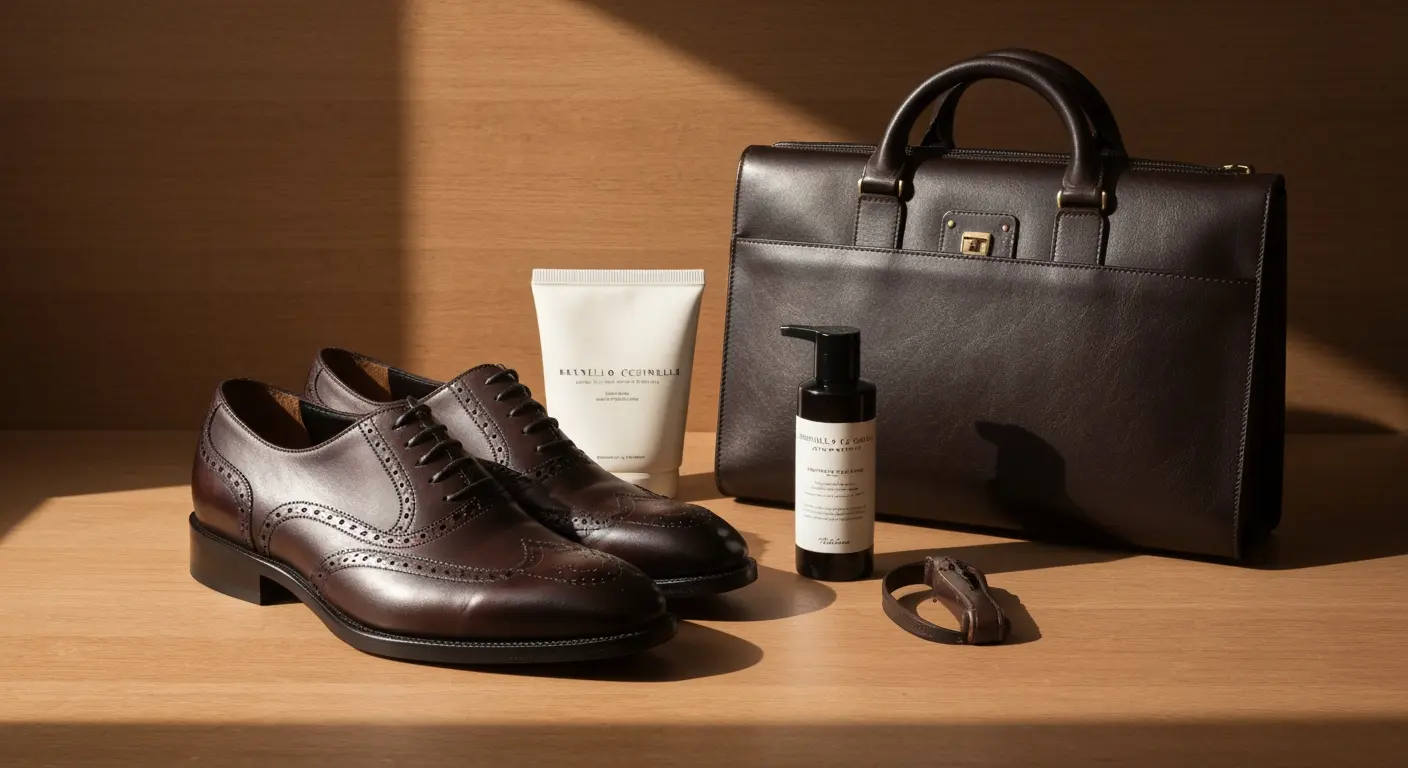
Men’s leather goods—dress shoes, belts, briefcases, and wallets—represent significant wardrobe investment requiring specific maintenance protocols to achieve 10-20 year lifespans. Understanding care requirements for Goodyear-welted oxfords differs from moccasin loafers, vegetable-tanned belts demand different treatment than chrome-tanned briefcases, and wallet leather develops patina through methods distinct from footwear maintenance.
This guide addresses care protocols for men’s leather essentials available through theFeinheit’s collection, focusing on brands American professionals rely on: Church’s dress shoes, Tod’s loafers, Salvatore Ferragamo belts and accessories, and Brunello Cucinelli bags. The framework applies across US climate zones—from humid Northeast summers to dry Southwest conditions to variable Midwest weather patterns.
Men’s Dress Shoe Care: Construction-Specific Protocols
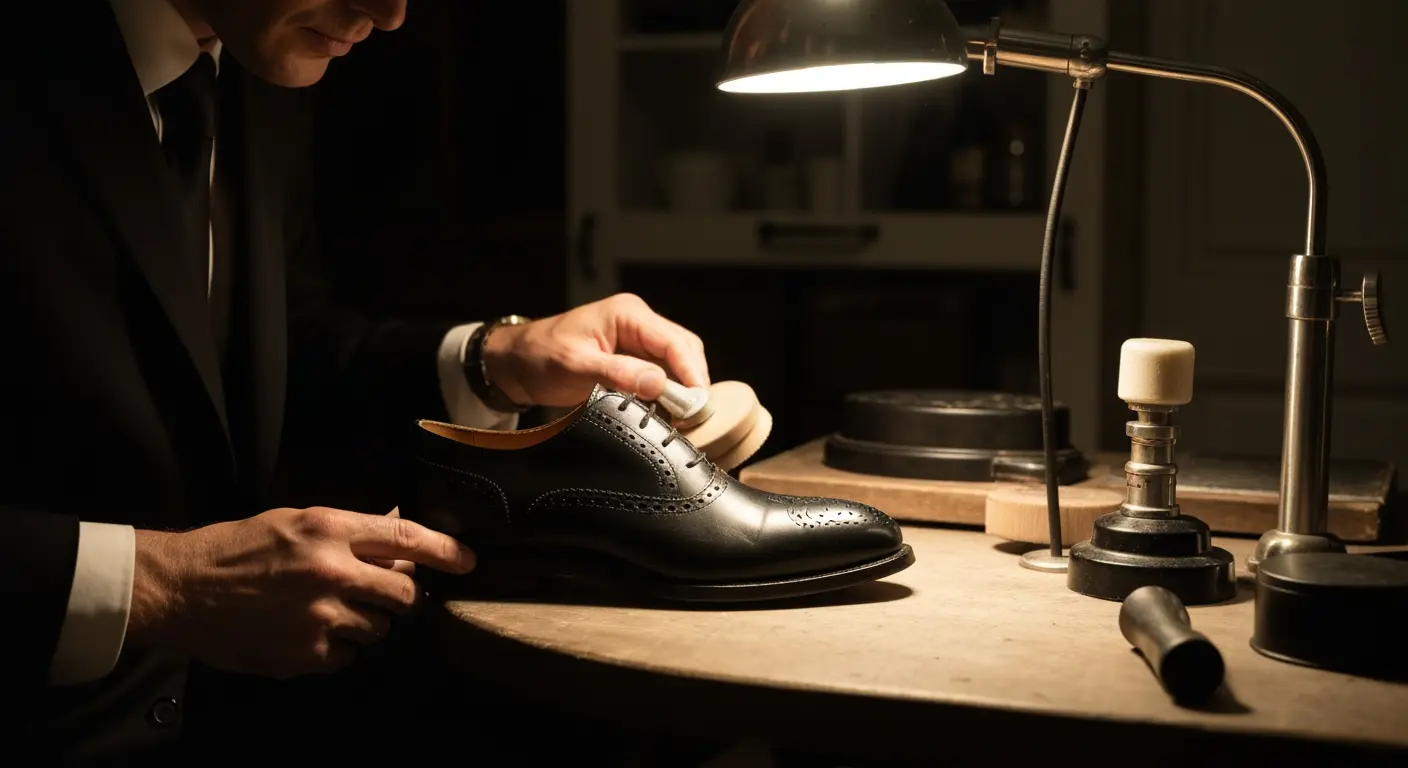
Goodyear Welted Oxfords and Derbies (Church’s, Salvatore Ferragamo)
Construction Characteristics: Leather upper stitched to welt (leather strip), which is then stitched to leather sole. Cork filler between insole and outsole. Full-grain leather throughout. This construction supports multiple resoles, making proper care essential to maximize 15-20 year lifespan potential.
Daily Maintenance (After Each Wear):
Remove surface dirt and dust with horsehair brush using brisk strokes from heel to toe. This prevents dirt from embedding in leather grain where it causes premature wear. Pay attention to welt stitching—dirt accumulation here weakens thread over time.
Insert cedar shoe trees immediately while leather remains warm and slightly damp from foot perspiration. Cedar absorbs moisture while maintaining shoe shape. Proper shoe trees prevent toe collapse and heel counter warping that makes shoes unwearable despite intact leather.
Weekly Deep Clean (for regularly worn dress shoes):
Apply leather cleaner (Saphir Renomat for stubborn marks, milder saddle soap for routine cleaning) using soft cloth in circular motions. Remove residue with clean damp cloth. Allow 15-20 minutes drying time.
Condition with cream-based leather conditioner (Saphir Renovateur, Allen Edmonds Premium Leather Conditioner). Apply thin layer with cloth, allow 10-minute absorption, buff with horsehair brush to restore shine. Cream conditioning maintains leather suppleness while preventing cracking that ruins expensive shoes.
Monthly Polish Protocol:
For dress shoes requiring high shine (black oxfords for business formal environments), traditional wax polish creates mirror finish American professionals expect in conservative industries—law, finance, consulting.
Process:
- Clean shoe thoroughly (dirt under polish creates dull, uneven finish)
- Apply colored cream matching shoe (restores color, conditions leather)
- Apply wax polish (Saphir Pate de Luxe, Kiwi Parade Gloss) in thin layers using cloth-wrapped fingers
- Build layers—apply, let dry 5 minutes, buff with brush, repeat 3-4 times
- Final spit-shine (water drops on cloth during buffing) creates glass-like finish on toe cap and heel
US Climate Considerations:
Northeast/Midwest (Salt Exposure): Winter salt creates white crusty deposits that permanently damage leather if left untreated. Remove immediately after wear using mixture of equal parts white vinegar and water on cloth. Wipe clean, dry thoroughly, condition. Never wear same dress shoes consecutive days during winter—leather needs 24 hours to dry fully between wears.
Southwest (Dry Climate): Low humidity dries leather faster than humid regions. Increase conditioning frequency to every 2-3 weeks for regularly worn shoes. Store with cedar trees plus cedar blocks in closet to maintain ambient moisture. Leather that becomes too dry develops deep creases that never fully disappear.
Southeast/Gulf Coast (Humidity): High humidity risks mold and mildew on leather. Use silica gel packets in shoe storage. Ensure shoes dry completely before storage. If mold appears (white or green spots), clean immediately with rubbing alcohol solution (70% alcohol, 30% water), dry thoroughly, condition to restore oils.
Moccasin and Driving Loafers (Tod’s, Salvatore Ferragamo)
Construction Characteristics: Upper leather wraps under foot, stitched directly to rubber or leather sole. More flexible than welted construction. Minimal internal structure—leather quality determines longevity. Tod’s gommino features 133 rubber pebbles providing driving grip and distinctive aesthetic.
Care Priorities:
Moccasins develop character through wear—embrace creasing and patina rather than fighting natural leather aging. The unstructured design means leather conforms to foot shape within weeks, creating custom fit unavailable in rigid constructions.
Cleaning Protocol: Brush after each wear. Wipe with barely damp cloth weekly to remove oils and dirt. Condition monthly with neutral cream—moccasin leather is typically softer than dress shoe leather, requiring less aggressive conditioning.
Sole Care (Rubber Pebble Soles): Tod’s gommino soles wear faster than leather dress shoe soles due to intended use (driving accelerates heel and toe wear). When pebbles show significant flattening, consult cobbler for sole replacement. Upper leather typically outlasts multiple sole replacements—$80-$120 resole extends $600 loafer lifespan by 3-5 years.
Storage: Shoe trees less critical for moccasins than dress shoes (flexible construction tolerates more deformation) but still recommended to prevent toe curl and maintain overall shape.
Men’s Belt Care: Maintaining Professional Appearance

Full-Grain Leather Dress Belts (Salvatore Ferragamo, Brunello Cucinelli)
Quality Indicators: Full-grain leather (shows natural grain variation), solid brass or nickel buckle, stitched construction (not glued), edge finishing (burnished or painted edges preventing fraying).
Daily Considerations:
Belts experience concentrated stress at buckle hole in regular use. This creates permanent creasing and eventual cracking at specific point. Solution: Rotate belt holes—use different holes across week even if requiring slight tightness/looseness variation. This distributes stress across multiple points rather than destroying single hole.
Cleaning and Conditioning: Wipe belt with damp cloth monthly to remove accumulated oils and dirt (belt contacts skin, absorbs perspiration and body oils more than other accessories). Condition every 3-4 months with leather cream—thin application sufficient, avoid over-conditioning that softens belt excessively and compromises structure.
Storage: Hang belts or lay flat—never fold or roll (creates permanent creases). Buckle should hang freely (not bent or stressed). Belt racks work well, or dedicated closet hooks.
Edge Maintenance: Burnished edges (smooth, polished finish) can be refreshed with edge dressing when appearing dry or rough. Apply edge dressing matching leather color (Fiebing’s Edge Kote, Saphir Edge Dye) with small brush or dauber. This maintains professional appearance and prevents edge fraying.
Expected Lifespan: Quality dress belt with rotation and care: 8-12 years. Budget $350-$500 for heritage brand belt (Salvatore Ferragamo, Brunello Cucinelli). Cost-per-wear over 10 years with 200 wears annually: $0.18-$0.25 per wear.
Men’s Bags and Briefcases: Professional Leather Care
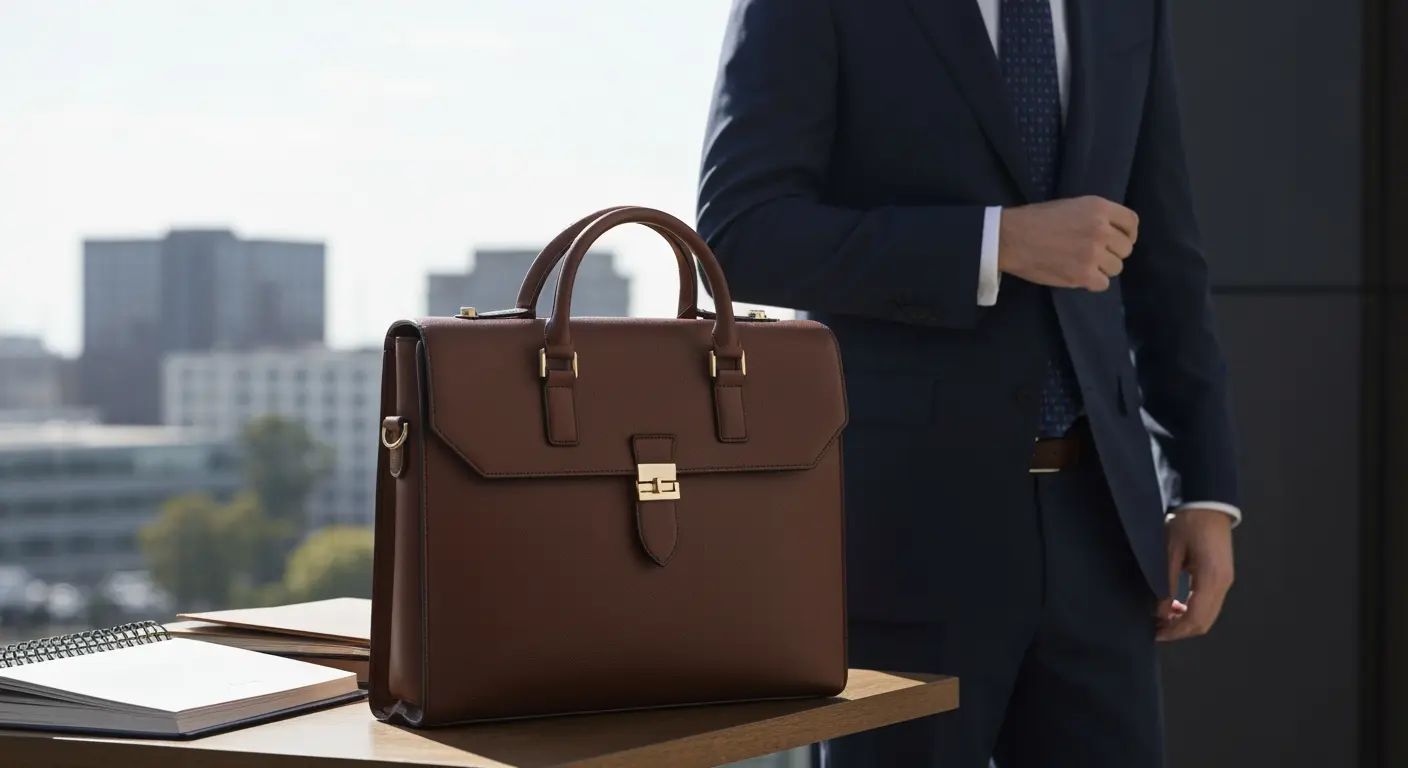
Structured Briefcases (Brunello Cucinelli, Salvatore Ferragamo)
Construction Types:
Vegetable-Tanned (Traditional): Develops rich patina, initially stiff, water-sensitive. Common in Italian heritage pieces. Requires careful moisture management and regular conditioning.
Chrome-Tanned (Contemporary): Softer from production, more water-resistant, maintains color consistency. Easier daily maintenance, less dramatic patina development.
Daily Maintenance:
Empty briefcase completely at day’s end. Wipe exterior with dry soft cloth to remove dust. Check corners and bottom for dirt accumulation (heaviest wear areas). Position briefcase on shelf or desk—never floor (moisture, dirt exposure).
Weekly Care:
Use leather cleaner on handles, straps, and bottom (highest contact areas). These accumulate oils and dirt faster than body panels. Condition handles monthly if briefcase sees daily use—handle leather darkens and develops patina fastest, requiring more frequent care to prevent drying and cracking.
Quarterly Deep Conditioning:
Apply leather conditioner to entire bag using soft cloth. For vegetable-tanned leather, use neutral cream (Saphir Renovateur). For chrome-tanned, leather-specific conditioner. Pay attention to seams and corners where flexing concentrates. Allow overnight absorption, buff next morning.
Hardware Maintenance:
Brass hardware develops patina (intentional design element on Italian pieces). If preferring bright brass, polish with brass cleaner (Brasso) using soft cloth. Protect leather during polishing by masking with painter’s tape. Zippers benefit from occasional graphite pencil application on teeth—prevents sticking without adding oils that attract dirt.
Weather Protection:
Apply water-repellent spray before first use and reapply every 3-4 months. This is critical for American professionals commuting in variable weather—Northeast rain, Midwest snow, Pacific Northwest drizzle. Spray in ventilated area, allow 24-hour drying before use.
Unexpected Rain Exposure: Blot immediately with absorbent cloth—never rub. Stuff with paper towels to maintain shape. Air dry away from direct heat (radiators, forced air vents destroy leather). Once dry, condition to restore oils.
Leather Messenger Bags and Totes (Tod’s, Longchamp, Coach)
Casual Leather Care:
Less formal bags tolerate more casual treatment but still benefit from regular maintenance. Brush weekly, condition monthly if used frequently. These pieces often use softer leather than structured briefcases—pay attention to corner wear and strap attachment points (highest stress areas).
Strap Maintenance: Shoulder straps experience concentrated wear from weight and movement. Condition straps more frequently than bag body. When strap shows wear (darkening, cracking), professional repair costs $80-$150—much less than bag replacement.
Small Leather Goods: Wallets and Cardholders
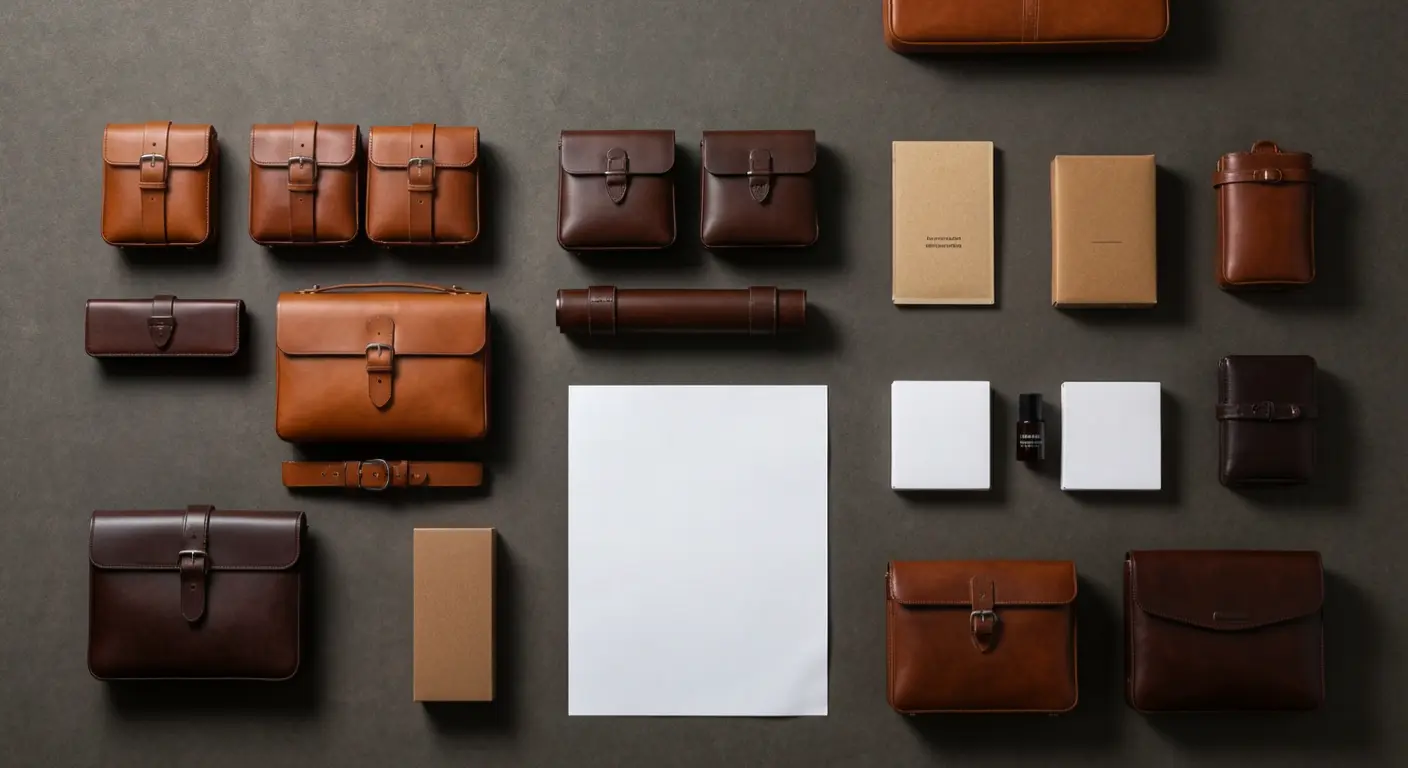
Bi-Fold and Tri-Fold Wallets
Daily Reality: Wallets experience more handling than any other leather accessory—pocket insertion/removal, opening/closing, constant card friction. This accelerates wear while making care difficult (can’t condition daily-carry wallet as easily as stored briefcase).
Practical Maintenance:
Empty wallet completely once weekly. Use dry cloth to wipe interior and exterior. This removes lint, dirt, and card residue accumulating in card slots. Quarterly, apply very light conditioning—too much makes wallet slippery and difficult to handle. Leather cream applied with finger works better than generous cloth application.
Patina Management: Wallet leather develops patina fastest of all men’s accessories—constant contact with body heat, pocket pressure, and handling oils. This is desirable characteristic showing authentic use. Embrace rather than fight natural darkening and smoothing, especially on vegetable-tanned leather wallets.
Card Slot Stress: Overstuffing card slots stretches leather permanently. Most quality wallets accommodate 6-8 cards comfortably—exceeding this ruins structure. If carrying more cards necessary, consider card holder as supplement rather than destroying premium wallet.
Expected Lifespan: Quality wallet with reasonable care: 5-8 years. Budget $200-$400 for heritage brand (Salvatore Ferragamo, Brunello Cucinelli). Cost-per-wear with daily use: $0.07-$0.14 per day.
Seasonal Leather Care for American Climate Zones
Spring Transition (March-May)
Northeast/Midwest Focus: Post-winter deep conditioning essential. Salt damage accumulated over winter requires attention now before permanent staining sets. Inspect all leather goods for salt deposits (white crusty residue). Remove with vinegar solution, condition thoroughly.
Rain Preparation: Spring rain season across US (particularly severe in Southeast, Pacific Northwest). Apply water-repellent treatment to all bags, refresh on dress shoes. Verify shoes have proper sole grip—worn leather soles become slippery in rain, creating safety hazard.
Summer Care (June-August)
Heat and Humidity: Leather stored in cars experiences extreme heat damage (cracking, color fading). Never leave leather goods in vehicles during summer. Air-conditioned storage ideal but not always practical—at minimum, avoid direct sunlight and enclosed hot spaces.
Sweat and Oil Transfer: Summer increases perspiration. Briefcase handles, bag straps, wallet contact all show accelerated wear and darkening. Clean these high-contact areas weekly rather than monthly during hot months.
Southwest Dry Heat: Arizona, Nevada, New Mexico heat combined with low humidity dries leather aggressively. Increase conditioning frequency to every 6-8 weeks for items in regular use. Store with cedar blocks and humidification if possible.
Fall and Winter Protection (September-February)
Pre-Season Treatment: Before first snowfall (variable by region—October in northern states, December in mid-Atlantic), apply leather conditioner and water-repellent spray to all items seeing regular outdoor exposure.
Salt Damage Prevention: Salt belt states (Northeast, Midwest) create leather care challenge. Daily salt exposure requires immediate cleaning—waiting until weekend allows permanent damage. Keep cleaning supplies accessible for quick response after snowy commutes.
Indoor Heat Exposure: Forced air heating dries leather faster than summer heat. Don’t store leather goods near heating vents or radiators. Maintain humidity in storage areas if possible (humidifiers benefit both leather goods and occupant comfort).
Professional Services vs. DIY Care
When Professional Shoe Care Makes Sense
Annual Professional Polish: For dress shoes seeing regular formal wear, annual professional deep clean and polish service ($30-$50 per pair) creates baseline you maintain with home care. Professional results exceed DIY capabilities for mirror shine required in conservative American business environments.
Resoling ($120-$200): When sole shows significant wear (smooth leather, holes forming), professional resole extends shoe life 3-5 years. This applies to Goodyear-welted construction only. Tod’s moccasins and casual shoes also resole but require different techniques ($80-$120).
Strap and Handle Repair ($80-$150): When briefcase handle or bag strap shows cracking or structural weakness, professional repair prevents catastrophic failure. Waiting until strap breaks often causes additional damage to attachment points, increasing repair costs.
DIY Capabilities
Essential Care Kit for Men’s Leather Goods ($120-$180):
- Horsehair brush ($20-$30) – Daily shoe brushing
- Saphir Renovateur ($35-$40) – Universal leather conditioner
- Leather cleaner ($18-$25) – Removes embedded dirt
- Colored cream or wax polish matching shoes ($15-$25 per color) – Black, brown minimum
- Soft cloths ($10 for pack) – Application and buffing
- Cedar shoe trees ($40-$60 for 2 pairs) – Essential shoe care
- Water-repellent spray ($15-$20) – Weather protection
This kit handles 90% of men’s leather care needs. Investment pays for itself versus professional services within 6-12 months for typical collection of 3-4 dress shoes, 2-3 belts, and 1-2 bags.
Cost-Per-Wear Investment Analysis
Church’s Black Oxford Example
Purchase Price: $700
Lifespan with Care: 15 years
Wear Frequency: 50 times/year (weekly professional wear)
Maintenance Costs: $800 over lifespan (4 resoles at $150, annual conditioning products $20/year)
Total Investment: $1,500
Total Wears: 750
Cost-Per-Wear: $2.00
Comparison: Department Store Dress Shoe
Purchase Price: $150
Lifespan: 2 years (cemented construction, cannot resole)
Wear Frequency: 50 times/year
Total Wears: 100
Cost-Per-Wear: $1.50
15-Year Comparison:
- Heritage Shoe: $1,500 total investment, superior comfort and appearance
- Budget Replacement: $1,125 (7.5 replacements at $150), declining comfort, inconsistent sizing
Heritage option costs $375 more over 15 years ($25/year premium) while providing better experience throughout. Factor in time value of shopping for replacements, break-in periods, and sizing lottery, and heritage approach delivers clear value.
Conclusion
Men’s leather goods care—from Church’s dress shoes to Salvatore Ferragamo belts to Brunello Cucinelli briefcases—extends investment lifespan from years to decades while maintaining professional appearance American business environments demand. Understanding construction types (Goodyear welt vs. moccasin, vegetable-tanned vs. chrome-tanned) enables appropriate care protocols.
The care investment (products $120-$180, time 15-20 minutes weekly) protects thousands in leather goods while delivering cost-per-wear advantages over budget alternatives. A $700 Church’s oxford maintained properly costs $2.00 per wear across 15 years—competitive with disposable shoes while providing superior comfort, appearance, and professional presentation.
American climate considerations—Northeast salt exposure, Southwest dry heat, Southeast humidity—require regional adaptations to standard protocols. The core maintenance remains consistent: daily brushing, proper storage with shoe trees, regular conditioning, and seasonal deep care matching climate demands.
At Feinheit FZ LLC, we believe that luxury is about more than just a label—it’s about finding pieces that empower your personal and professional journey. Explore our curated collection of over 11,000 products from the world’s leading brands to find the timeless garments that will define your signature style. Our men’s leather essentials—from Church’s dress shoes to Tod’s loafers, Salvatore Ferragamo belts to Brunello Cucinelli bags—represent investments in professional presence that reward proper care with decades of service. Discover your power at theFeinheit.
