Discover the Italian textile mills crafting luxury spring fabrics. Expert insights on heritage fabric production from Loro Piana, Vitale Barberis Canonico, and Reda.
The Italian textile industry’s dominance in luxury fabrics stems not from marketing but from centuries of material science refinement in specific geographic regions. The mills clustered in Biella (Piedmont), Como (Lombardy), and smaller production centers developed expertise in particular fabric categories through generational knowledge transfer and environmental advantages unique to their locations.
Spring-weight luxury fabrics—lightweight wools, silk blends, technical cottons, linen weaves—represent the apex of this mill expertise. Creating fabric that drapes elegantly while weighing 200-280 grams per meter, maintains structural integrity through repeated wear, and performs across temperature fluctuations requires material engineering most mills cannot achieve. The Italian heritage mills profiled here mastered these challenges over decades or centuries of focused production.
Understanding these mills transforms fabric selection from brand recognition to material literacy. The mill name on a garment’s interior label indicates specific performance characteristics, quality standards, and production methods more reliably than the fashion brand’s exterior label. This knowledge empowers informed purchasing decisions based on textile provenance rather than marketing narratives.
The Biella Wool District: Centuries of Fiber Excellence

Geographic and Historical Advantages
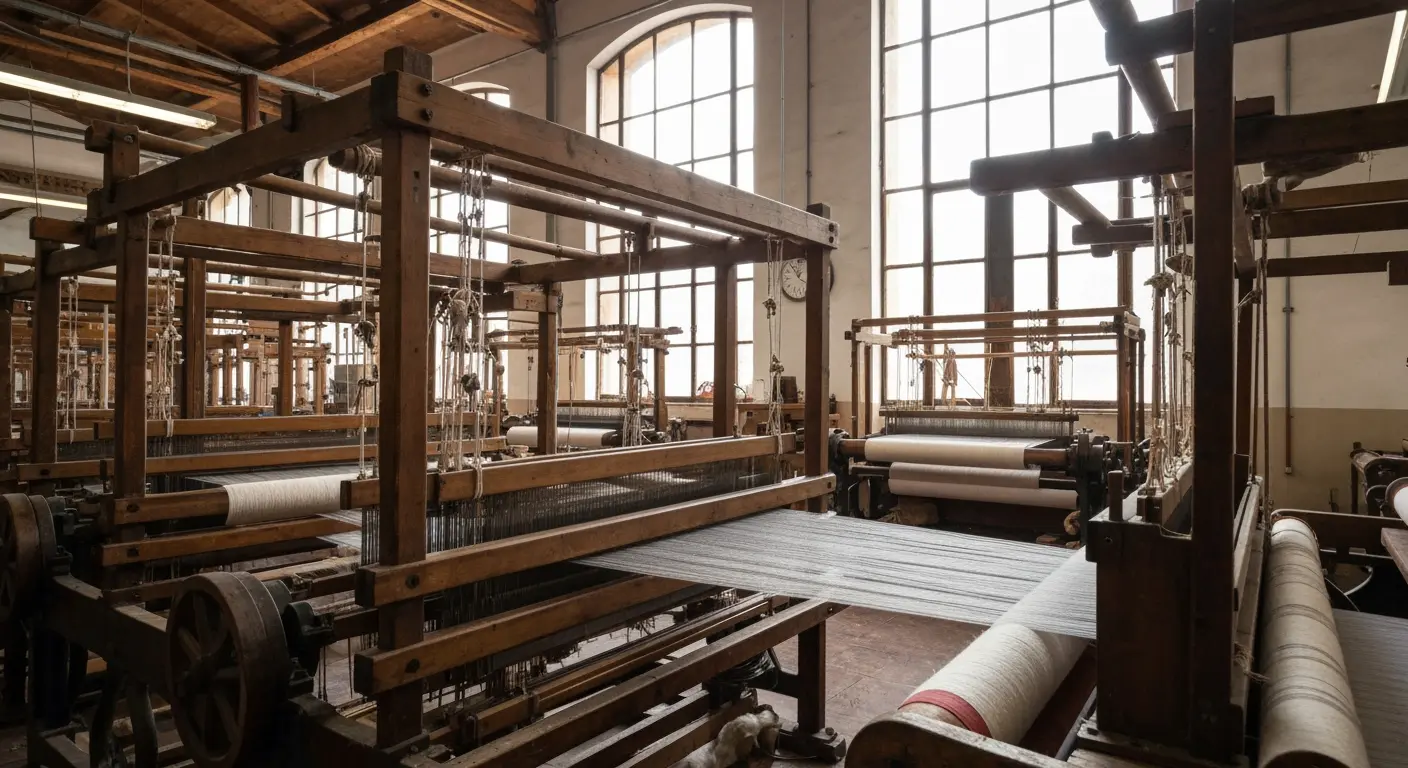
Biella, in Italy’s Piedmont region at the base of the Alps, became Europe’s premier wool processing center through environmental circumstance. The Cervo stream’s pure mountain water—low in minerals, consistent temperature—proved ideal for wool washing and dyeing. By the 13th century, water-powered mills lined the stream. This geographic advantage, combined with proximity to Alpine sheep farming, established Biella’s textile foundation.
The 19th century industrialization transformed cottage industry into mechanized production while maintaining craft standards. Families who operated hand looms for generations invested in powered looms but retained quality-focused production methods. This created Biella’s distinctive characteristic: industrial scale combined with artisanal standards. Mills measure production in thousands of meters daily while maintaining finishing techniques developed over centuries.
Contemporary Biella: Over 100 mills operate in the region, employing 10,000+ workers. Collectively they produce approximately 15% of the world’s high-quality wool fabric. The mills range from integrated operations (raw wool to finished fabric) to specialists focusing on single production stages (spinning, weaving, finishing). This ecosystem allows brands to source base fabric from one mill, finishing from another, creating custom textile blends unavailable elsewhere.
Water Quality and Finishing Excellence
Biella’s textile reputation rests significantly on finishing—the processes after weaving that determine fabric hand, drape, and performance. The Cervo stream’s water chemistry enables finishing techniques impossible in other regions.
Wool Washing: Removes lanolin and impurities without harsh chemicals. Biella’s soft water requires less detergent, producing cleaner wool that accepts dye more evenly. The water’s consistent temperature (year-round 12-14°C) prevents thermal shock that damages fibers.
Dyeing Precision: Mineral-free water allows precise dye control. Colors achieve consistency impossible with hard water where minerals interfere with dye bonding. Biella mills produce exact color matches across production runs separated by months—critical for luxury brands maintaining seasonal consistency.
Final Finishing: Processes like fulling (controlled shrinkage creating density), raising (creating nap surface), and pressing achieve specific hand through water-based treatments. The water quality enables subtle finishing that enhances wool’s natural properties rather than masking them with chemical treatments.
Heritage Mills Comparison

| Mill | Founded | Specialty | Signature Innovation | Price Point Impact | Notable Brand Partnerships |
|---|---|---|---|---|---|
| Loro Piana | 1924, Quarona | Finest cashmere and wool, luxury performance fabrics | Storm System weather-resistant luxury fabrics, proprietary fiber sourcing | Premium ($50-$150/meter wholesale) | Own retail, supplies Hermès, Kiton, bespoke tailors globally |
| Vitale Barberis Canonico | 1663, Biella | Worsted wool, tropical weight suitings | Superfine wool from Australian Merino (Super 100s-180s) | Mid-premium ($20-$60/meter wholesale) | Suitsupply, Paul Smith, Tom Ford, major tailoring brands |
| Reda | 1865, Valle Mosso | Active luxury wool, performance suitings | Rewoolution® merino for active wear, sustainable production certification | Mid-premium ($25-$70/meter wholesale) | Theory, Boglioli, Ring Jacket, contemporary brands |
| Albini | 1876, Albino | Fine cotton shirtings, linen blends | Thomas Mason acquisition (premium shirting division) | Premium cotton ($15-$45/meter wholesale) | Brooks Brothers, Ralph Lauren Purple Label, luxury shirtmakers |
| Thomas Mason | 1796, Lancashire (owned by Albini since 1992) | Ultra-fine cotton shirting | Two-fold yarn construction, 140s-200s cotton counts | Ultra-premium ($30-$80/meter wholesale) | Turnbull & Asser, Charvet, bespoke shirtmakers |
Mill Profiles: Spring Fabric Innovation
Loro Piana: Vertical Integration and Fiber Supremacy
Business Model: Unlike mills that purchase fiber on commodity markets, Loro Piana controls supply chains from animal to fabric. The company owns cashmere sourcing operations in Mongolia and China, superfine merino sheep stations in Australia and New Zealand. This vertical integration ensures fiber quality and enables innovations impossible for mills dependent on third-party supply.
Spring Fabric Leadership: Loro Piana’s lightweight fabrics demonstrate why fiber quality determines performance. Their spring-weight cashmere (180-220 gram weight) uses only the finest fibers (14.5-15.5 micron diameter). Standard cashmere averages 16-19 microns. This 10-20% reduction in fiber diameter creates noticeably softer hand and superior drape while maintaining durability.
Storm System Innovation: Introduced in 1990s, Storm System applies rain-resistant treatment to luxury fibers without compromising breathability or hand. The treatment bonds at molecular level to individual fibers rather than coating fabric surface. Result: cashmere and wool that shed water while maintaining natural texture and temperature regulation. Spring travel pieces benefit enormously—luxury fabric performance with technical weather protection.
Sustainability Leadership: Loro Piana published detailed sustainability reports before industry mandate. Biella mill operates on hydroelectric power from Alpine water. Wastewater treatment exceeds European requirements. Fiber sourcing includes programs supporting herder communities in Mongolia. Premium pricing partially reflects these operational costs.
Retail Strategy: Since LVMH acquisition (2013), Loro Piana operates 160+ retail locations globally. This vertical integration—fiber to retail—creates pricing structure different from pure mills. Loro Piana fabric in third-party brands (Kiton suits, Hermès coats) costs $3,000-$8,000. Same fabric in Loro Piana retail: $2,000-$5,000. Controlling full supply chain eliminates markup layers.
Spring Fabric Recommendations:
- Wish Virgin Wool: 260-gram four-season weight, exceptional drape ($40-$50/meter wholesale; retail garments $800-$1,500)
- Zelander Wish: Australian merino with cashmere-like hand ($55-$70/meter wholesale; retail garments $1,200-$2,000)
- Pecora Nera: Rare wool from Piedmont black sheep, limited production ($80-$100/meter wholesale; retail garments $1,800-$3,000)
Vitale Barberis Canonico: 350 Years of Suiting Excellence
Heritage Context: Founded 1663, Vitale Barberis Canonico is the world’s oldest continuously operating wool mill. Seventeen generations of family ownership maintained quality focus through industrial revolutions, wars, and economic shifts. This longevity reflects adaptation while preserving core competency: worsted wool for tailored clothing.
Worsted Specialization: Worsted wool differs from woolen fabrics in fiber preparation and spinning. Long-staple fibers are combed parallel, removing short fibers, then spun tight. Result: smooth surface, crisp hand, excellent shape retention—ideal for tailoring. Vitale Barberis Canonico’s expertise in worsted production spans centuries of refinement.
Super Number System: The mill helped standardize the Super wool grading (Super 100s, 120s, 150s, 180s). Higher numbers indicate finer fiber diameter: Super 100s = 18.5 microns, Super 150s = 15.5 microns. Finer fibers create softer hand and lighter weight but reduce durability. Vitale Barberis Canonico’s spring suitings balance fineness with longevity—Super 120s-130s provides optimal combination for business wear.
Tropical Weight Innovation: Spring business travel demands fabrics combining professional appearance with comfort in varying climates. The mill’s tropical wool line (260-280 grams/meter vs. 300-350 for standard suiting) achieves this balance. Open weave structure increases breathability while maintaining opacity and drape. These fabrics work across 60-80°F temperature range—perfect for spring business travel between climate zones.
Sustainability Initiatives: Vitale Barberis Canonico achieved B Corp certification—rigorous third-party verification of environmental and social standards. Mill operates carbon-neutral through renewable energy and offset programs. Wastewater from Biella facility returns to Cervo stream cleaner than intake. Chemical usage minimized through natural finishing processes enabled by water quality.
Brand Accessibility: Unlike Loro Piana’s retail integration, Vitale Barberis Canonico remains pure supplier. This makes their fabrics accessible across price points. Suitsupply uses VBC tropical wool in $400-$600 suits. Tom Ford uses same mill’s Super 180s in $5,000+ suits. The difference: construction quality, brand markup, fabric grade—but both start with VBC expertise.
Spring Fabric Recommendations:
- Traveler: 260-gram tropical wool engineered for wrinkle resistance (suits retail $600-$1,500 depending on brand)
- Four Seasons: 280-gram worsted suitable for year-round wear (suits retail $700-$2,000)
- Revenge: Super 130s with elastane for stretch comfort (suits retail $800-$2,500)
Reda: Modern Innovation in Heritage Framework
Company Evolution: Founded 1865, Reda remained family-owned until 2017 acquisition by Ermenegildo Zegna Group. Unlike some acquisitions diminishing quality for profit, Zegna’s ownership enhanced Reda’s technical development—shared R&D resources while maintaining separate brand identity and production standards.
Active Luxury Positioning: Reda identified market gap: professionals wanting luxury fabric performance in active lifestyles. Traditional suiting fabrics restrict movement; athletic wear lacks professional appearance. Reda’s active luxury bridges this divide through fabric engineering combining natural fibers with performance features.
Rewoolution® Technology: Merino wool structured for athletic performance while maintaining luxury hand. Innovations include: moisture-wicking through engineered fiber alignment, odor resistance from natural merino properties enhanced through finishing, quick-drying via reduced fiber density, and stretch from mechanical crimp enhancement rather than synthetic addition.
These fabrics target professionals in less formal industries (tech, media, creative) who want polished appearance without traditional suiting constraints. Spring travel particularly benefits—pack light, clothes perform through varying activities and climates.
Environmental Leadership: Reda achieved multiple sustainability certifications: Responsible Wool Standard (animal welfare), Bluesign (chemical safety), and Climate Neutral (carbon offset). The mill pioneered closed-loop water recycling in Biella—99% of process water is reused. Renewable energy powers 80% of operations.
Flex System: Spring-specific innovation combining wool with natural stretch fibers (not synthetic elastane). Result: fabric that moves with body but returns to original shape—critical for lightweight spring garments where wrinkling and bagging compromise appearance. Used in unlined spring blazers, travel trousers, packable layers.
Spring Fabric Recommendations:
- Active Merino: 240-gram fabric for unstructured blazers and trousers (garments retail $500-$1,200)
- Icesense: Super 130s with temperature-regulating treatment (garments retail $800-$1,800)
- Flex: Natural stretch suiting for travel (garments retail $700-$1,600)
Albini Group: Cotton and Linen Mastery
From Wool to Cotton: Albini began in wool but shifted to cotton shirting in early 1900s, recognizing cotton’s growth in men’s dress shirts. Geographic move from Biella to Albino (near Bergamo) positioned mill near Como’s silk district, enabling cotton-silk blend development. By mid-20th century, Albini established reputation rivaling Biella wool mills but in cotton category.
Thomas Mason Acquisition: In 1992, Albini acquired Thomas Mason, British cotton mill founded 1796. This brought ultra-premium shirting expertise into Albini Group. Thomas Mason remained distinct brand serving highest tier (Jermyn Street shirtmakers, bespoke tailors). Albini serves premium ready-to-wear. This two-tier strategy captures luxury cotton market comprehensively.
Cotton Quality Differentiation: Standard shirt cotton uses 40s-60s yarn count (thread thickness). Albini’s entry level: 80s-100s. Thomas Mason specializes in 140s-200s—extraordinarily fine yarns requiring special spinning equipment and perfect fiber (long-staple Egyptian or Sea Island cotton). Higher counts create smoother fabric, better drape, luxurious hand. Trade-off: reduced durability. Thomas Mason shirts last 3-5 years of regular wear vs. 10+ for standard cotton, but the wearing experience justifies replacement for discerning customers.
Spring Shirting Innovation:
Oxford Weaves: Traditional oxford (basket weave) evolved into Royal Oxford (finer yarn, tighter weave) and Pinpoint Oxford (even finer). These spring-weight variations maintain oxford’s durability and texture while reducing weight for warmer weather. Albini’s royal oxford shirting bridges casual and business—appropriate with suits, works without jacket.
Linen Blends: Pure linen wrinkles excessively for professional contexts. Albini’s cotton-linen blends (55% linen/45% cotton or 60/40) provide linen’s breathability and texture with cotton’s wrinkle resistance. Perfect for spring business casual—professional appearance despite humidity and temperature fluctuations.
Performance Cottons: Albini developed Dry-Up® (moisture-wicking cotton) and No-Iron (wrinkle-resistant through fiber treatment, not chemical coating). These address travel and active professionals needing shirt performance beyond traditional cotton limitations.
Sustainability Focus: Albini Group published first sustainability report in 2014, detailing water usage, chemical management, and social programs. Egyptian cotton sourcing includes direct relationships with farming communities. Organic cotton lines (GOTS-certified) meet demand for chemical-free production. Water recycling reduced consumption by 40% over past decade.
Spring Fabric Recommendations:
- Albini Royal Oxford: Refined basket weave in 100s-120s count (shirts retail $150-$300)
- Albini Linen-Cotton Blend: 60/40 ratio for spring business casual (shirts retail $180-$350)
- Thomas Mason Goldline: 160s-200s count superfine cotton (shirts retail $300-$600)
Como Silk District: Centuries of Luxury Textile Arts
Geographic Advantages and Specialization
Como, on Italy’s northern border with Switzerland, developed silk expertise distinct from Biella’s wool or Albino’s cotton. The lakes (Como, Maggiore) provided water for silk cultivation and processing. Swiss border proximity created trade connections accelerating Como’s growth as Europe’s silk center by Renaissance.
Unlike integrated wool mills processing raw fleece to finished fabric, Como’s silk industry specialized in finishing and printing. Raw silk arrived from Asia; Como firms transformed it through dyeing, printing, and finishing into luxury textiles. This specialization created unmatched expertise in color, pattern, and silk finishing techniques.
Contemporary Como: Over 2,000 companies employ 30,000+ workers in silk-related businesses. Production ranges from ultra-premium scarves and ties to technical silk fabrics for fashion houses. The district supplies approximately 80% of Europe’s silk products and significant portion of global luxury silk market.
Spring Silk Applications
Lightweight Silk Blends: Pure silk’s delicacy limits some applications. Como firms pioneered silk-cotton, silk-linen, and silk-wool blends combining silk’s luxury with other fibers’ practicality. Spring cardigans in silk-cashmere (30% silk/70% cashmere) offer lightweight warmth and elegant drape. Silk-linen shirts provide breathability with refined sheen.
Printed Silks: Como’s printing expertise transforms silk scarves and pocket squares into wearable art. Digital printing enables complex patterns impossible with traditional methods, but Como artisans maintain hand-finishing techniques for premium products. Spring accessory collections from luxury brands typically feature Como-printed silk prominently.
Performance Silk Development: Modern Como firms developed washable silk (reducing dry cleaning dependence), crease-resistant silk (travel-friendly), and UV-protective silk (color fastness for spring sunlight exposure). These technical improvements maintain silk’s luxury characteristics while addressing practical limitations.
Fabric Selection Framework for Spring Wardrobe

By Professional Context
Business Formal (Finance, Law, Traditional Corporate):
- Suiting: Vitale Barberis Canonico Traveler or Four Seasons (280-gram tropical wool)
- Shirting: Albini Royal Oxford or Thomas Mason pinpoint oxford (100s-140s cotton)
- Knitwear: Loro Piana lightweight wool or cotton-silk blend
- Rationale: Established mills with heritage credibility, fabrics meeting conservative appearance standards while performing in spring conditions
Business Casual (Tech, Creative, Modern Professional):
- Suiting: Reda Active or Flex system (240-260 gram with natural stretch)
- Shirting: Albini linen-cotton blend or performance cotton
- Knitwear: Reda Rewoolution merino or cotton-cashmere blend
- Rationale: Technical performance meeting active lifestyle needs, refined aesthetic without traditional formality constraints
Travel-Intensive Professionals:
- Suiting: Reda Flex or VBC Revenge (stretch for comfort, wrinkle resistance)
- Shirting: Albini Dry-Up or No-Iron cotton (easy care during travel)
- Outerwear: Loro Piana Storm System (luxury with weather protection)
- Rationale: Fabrics engineered for packing, variable climates, minimal maintenance while maintaining polished appearance
By Climate Considerations
Humid Spring Climates (Southern US, Coastal Regions):
- Prefer: Open-weave tropical wools, cotton-linen blends, moisture-wicking treatments
- Avoid: Dense fabrics, pure silk (shows moisture), heavy cotton
- Recommended: VBC Traveler, Albini linen-cotton, Reda Active Merino
Variable Spring Climates (Northeast, Midwest, Northern Europe):
- Prefer: Medium-weight wools (260-280 grams), layerable fabrics, versatile weights
- Avoid: Extreme lightweight (inadequate warmth) or heavyweight (too warm when temperatures spike)
- Recommended: VBC Four Seasons, Loro Piana Wish Virgin Wool, Reda Icesense
Dry Spring Climates (Southwest, Mountain West):
- Prefer: Natural fibers with good drape, fabrics less prone to static, breathable weights
- Avoid: Synthetic blends (static buildup), overly crisp fabrics (brittle in low humidity)
- Recommended: Loro Piana virgin wool, Thomas Mason cotton, pure linen from Como
Investment Prioritization
Entry Investment ($500-$1,500 budget):
- Two Albini cotton shirts (royal oxford or linen-cotton blend): $300-$600
- One VBC tropical wool trouser: $200-$400
- One lightweight merino or cotton cardigan: $150-$300
- Total: Foundational spring pieces using heritage mill fabrics at accessible price points (Suitsupply, Spier & Mackay tier)
Core Investment ($2,000-$4,000 budget):
- One VBC or Reda spring suit: $800-$1,500
- Three Thomas Mason or premium Albini shirts: $600-$1,200
- Two Loro Piana or premium knitwear pieces: $800-$1,600
- One spring-weight outerwear: $400-$800
- Total: Complete spring wardrobe core using premium mill fabrics (Ring Jacket, Theory, Norse Projects tier)
Investment Tier ($5,000+ budget):
- Two Loro Piana suits (Storm System or Zelander Wish): $4,000-$8,000
- Six Thomas Mason Goldline shirts: $1,800-$3,600
- Premium knitwear collection: $2,000-$4,000
- Loro Piana outerwear: $2,000-$4,000
- Total: Comprehensive spring wardrobe using finest available mill fabrics (Loro Piana retail, bespoke tailoring tier)
Conclusion
Italian textile mills represent the intersection of geographic advantage, generational knowledge, and continuous innovation. The Biella district’s water quality enabled wool finishing techniques impossible elsewhere. Como’s silk specialization created unmatched expertise in color and pattern. Albini’s cotton mastery transformed shirting into luxury category. These aren’t accidents of marketing—they’re outcomes of centuries refining specific material competencies.
Understanding mill provenance transforms garment selection from brand recognition to material literacy. A Vitale Barberis Canonico label indicates specific fiber quality, weaving standards, and finishing techniques regardless of which brand uses the fabric. Loro Piana Storm System delivers consistent weather protection whether in Loro Piana retail garments or third-party brands. This knowledge empowers purchasing decisions based on tangible fabric performance rather than brand mythology.
Spring wardrobe investment benefits particularly from mill awareness. Lightweight fabrics reveal quality differences more than heavy winter weights—inferior fiber shows in drape, hand, and durability when fabric weight can’t mask it. Choosing heritage mill fabrics ensures spring pieces perform across the season’s variable conditions while maintaining appearance through years of wear.
At Feinheit FZ LLC, we believe that luxury is about more than just a label—it’s about finding pieces that empower your personal and professional journey. Explore our curated collection of over 11,000 products from the world’s leading brands to find the timeless garments that will define your signature style. This spring, our Ambassador program spotlights brands using heritage Italian mill fabrics—discover garments where textile excellence meets contemporary design. Discover your power at theFeinheit.
