Why Seasonal Change Stresses Materials in Seasonal Clothing Care
Seasonal shifts place consistent, often underestimated pressure on garments. Changes in temperature, humidity, and light exposure influence how fibers behave over time, shaping both appearance and durability. Understanding how weather affects fabric is essential to thoughtful seasonal clothing care, particularly for garments intended to last beyond a single season. Fabric longevity is rarely compromised by one event; it is gradually shaped by repeated environmental stress.
Temperature Fluctuations and Fabric Longevity
Dramatic temperature changes from season to season place measurable strain on textiles. As garments move between cold and heat, fibers expand and contract in response. Over time, this repeated movement causes microscopic stress within the weave, subtly loosening structure and contributing to fabric wear over time. Natural materials such as cotton and wool are especially reactive, as their fibers respond readily to thermal variation.
Synthetic fabrics may resist immediate change, yet prolonged exposure to extreme heat or cold can still result in brittleness or distortion. Garments stored in attics or basements experience the most severe fluctuations, accelerating deterioration. Effective seasonal clothing care prioritises stable storage environments to support fabric longevity and prevent unnecessary degradation.
Humidity and Moisture Exposure
Moisture presents a distinct challenge linked closely to seasonal change. Summer humidity encourages fabrics to absorb moisture, weakening fibers and creating conditions conducive to mold and mildew. Natural materials are particularly vulnerable, often retaining stains or odours that compromise both appearance and structure. In contrast, winter heating dries indoor air, drawing moisture out of fabrics and increasing brittleness.
Balanced humidity plays a critical role in clothing care by season. Maintaining controlled moisture levels in storage areas helps prevent swelling, cracking, or fiber fatigue. Breathable storage solutions and adequate airflow further support fabric longevity by reducing prolonged moisture exposure without over-drying materials.
Seasonal Wear and UV Exposure
Seasonal transitions also change how garments are worn and handled. As wardrobes rotate, clothing is folded, washed, and moved more frequently. Increased sunlight exposure during spring and summer introduces another layer of stress. Ultraviolet rays gradually break down fiber bonds, leading to fading and a loss of tensile strength.
Limiting direct exposure during airing or storage slows this process. Shaded environments and protective storage practices preserve both color integrity and durability. Thoughtful seasonal clothing care protects garments not by restricting use, but by moderating cumulative exposure.
Fabric-Specific Vulnerabilities
Natural Fiber Fabrics: Susceptibility to Temperature and Moisture
Cotton, linen, and wool remain staples in clothing due to comfort and breathability, yet they respond acutely to environmental shifts. High humidity causes cotton and linen to absorb moisture, increasing the risk of fiber weakening and mold formation. Wool, commonly worn in colder months, becomes vulnerable to mildew and pests when stored improperly.
Rapid temperature changes force natural fibers to expand and contract, gradually weakening threads and shortening fabric longevity. Sunlight further accelerates deterioration by fading dyes and breaking down fiber bonds. Protecting these materials requires controlled storage, limited UV exposure, and regular inspection to detect early signs of fabric wear over time.
Synthetic Fabrics: Effects of Temperature Fluctuations
Synthetic materials such as polyester, nylon, and spandex are engineered for durability, yet they remain sensitive to extremes. Excessive heat can deform fibers, while cold temperatures reduce flexibility, making garments prone to stress damage. Over time, these changes affect fit, texture, and appearance.
Extended sun exposure may cause yellowing or loss of elasticity, leading to sagging and permanent creases. Proper seasonal clothing care for synthetics includes gentle laundering, restrained heat use, and cool, shaded storage to maintain structural stability and visual consistency.
Blended Fabrics: Unique Risks from Mixed Fibers
Blended textiles combine natural and synthetic fibers, offering versatility but introducing complexity. Moisture may weaken the natural component, while heat affects synthetic elements. As seasons change, blended fabrics may shrink, stretch, or pill unpredictably.
Because their response varies, blends require close attention to care labels and environmental conditions. Mild detergents, appropriate temperatures, and mindful storage help balance competing vulnerabilities. When managed carefully, blended garments retain their intended performance and longevity.
Adjusting Seasonal Clothing Care Habits Between Seasons
Rotating Wardrobes to Enhance Fabric Longevity
Seasonal transitions naturally shift wardrobe priorities. Lightweight summer fabrics give way to heavier knits and wools, each responding differently to temperature and humidity. Rotating garments reduces continuous stress on specific pieces and supports fabric longevity by allowing fibers to recover between periods of use.
Before storage, garments should be clean and completely dry. Residual moisture or dirt can set stains or encourage mildew, particularly during warmer months. Breathable storage solutions support garment storage by season while limiting dust accumulation and unnecessary handling.
Cleaning Techniques for Changing Weather Conditions
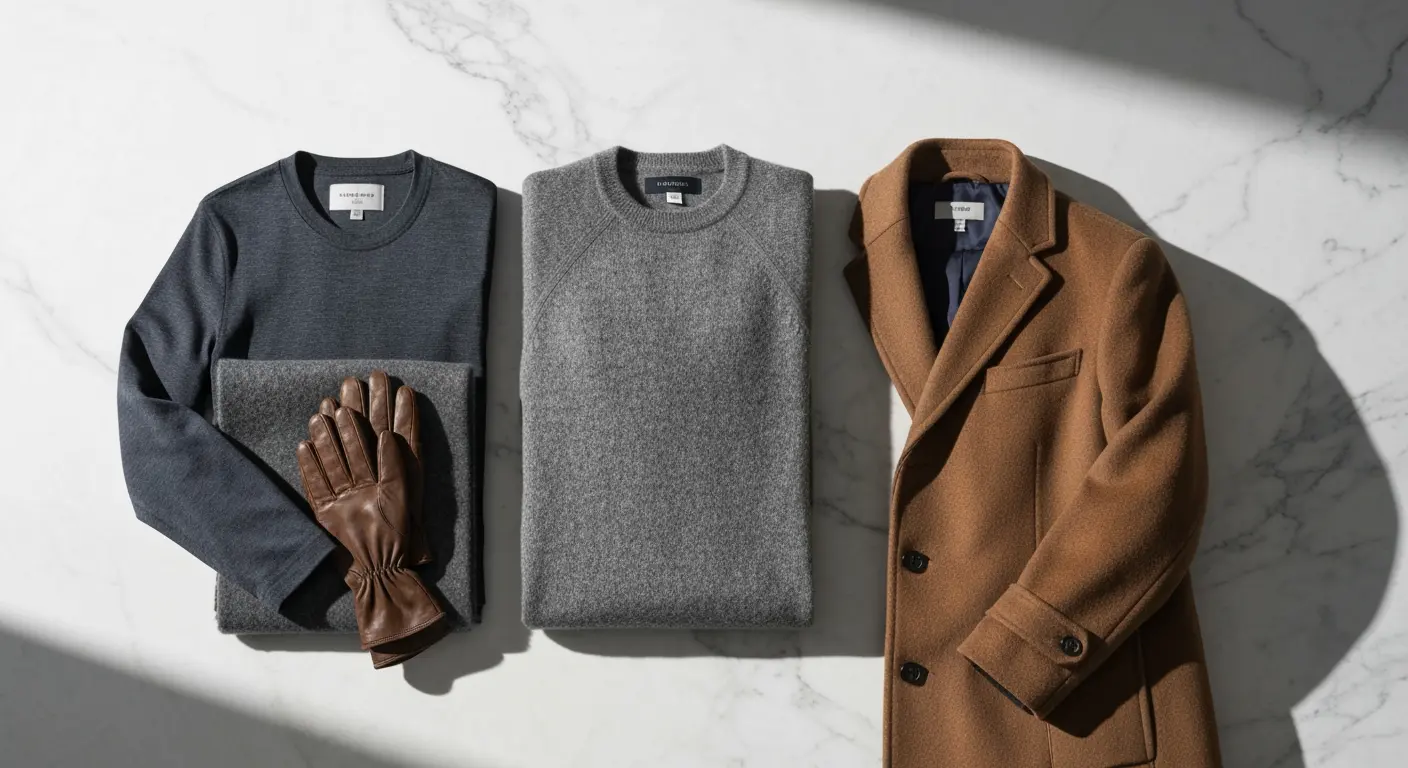
Cleaning routines benefit from seasonal adjustment. During colder months, materials such as wool, cashmere, and down require restrained washing and gentle handling. Excessive laundering erodes fibers prematurely; airing garments between wears often proves sufficient.
Summer fabrics—cotton, linen, and synthetics—are exposed to perspiration and sunlight. Cool-water washing and mild detergents preserve texture and color. While air drying is preferable, avoiding prolonged direct sunlight reduces fading and supports long-term fabric longevity.
Garment Storage by Season and Fabric Type
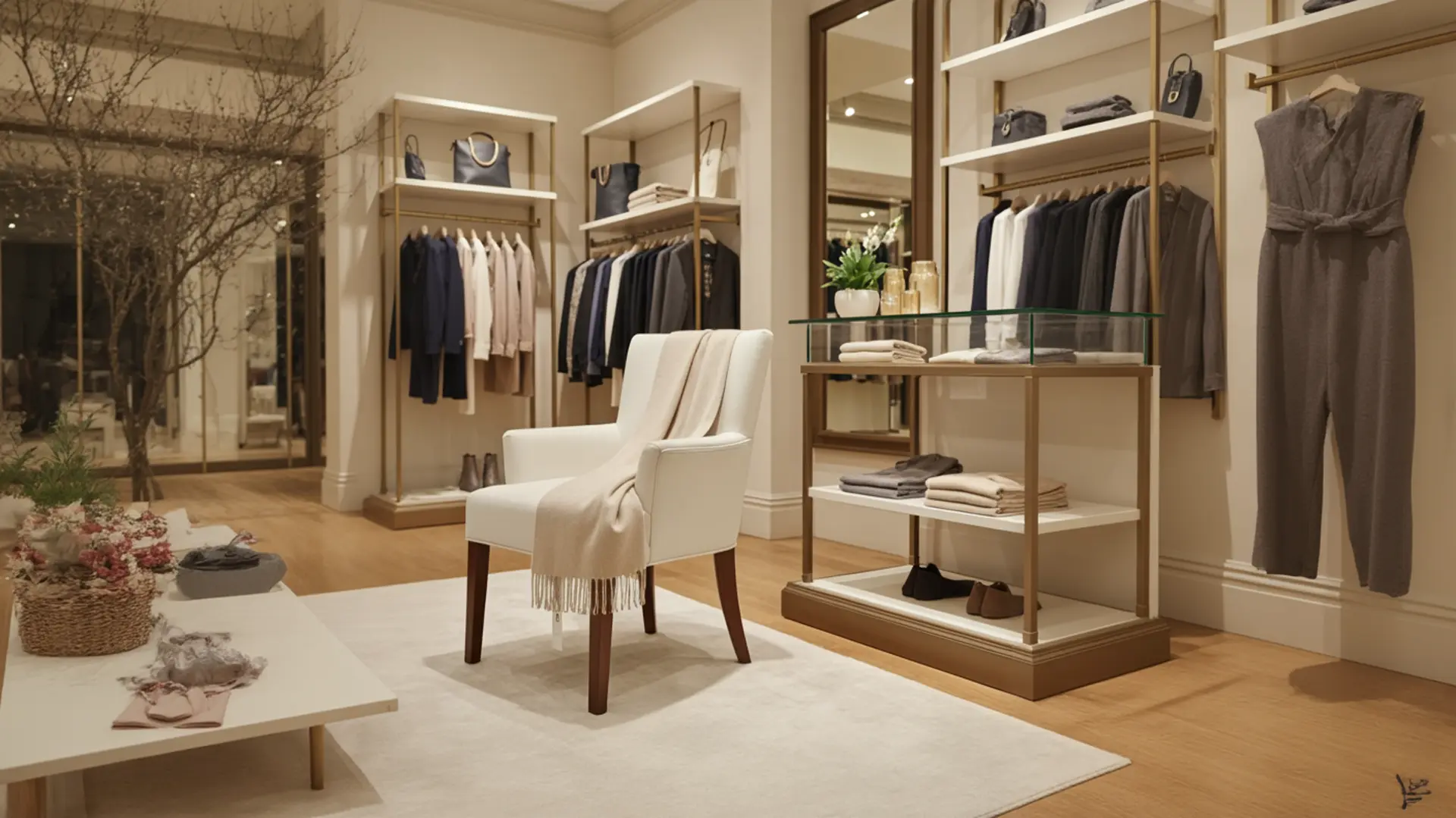
Storage practices significantly influence fabric lifespan. Heavier garments are best folded rather than hung to prevent stretching, with natural deterrents such as cedar or lavender protecting against pests. Lightweight fabrics benefit from cool, dry environments with adequate airflow.
Avoid overcrowding storage spaces, which traps moisture and encourages creasing. Clear organisation by fabric type or season reduces unnecessary handling. Thoughtful garment storage by season preserves structure and appearance during periods of rest.
Conclusion: Longevity Requires Seasonal Awareness
Understanding the Connection Between Seasons and Fabric Longevity
Fabric longevity is shaped by recognising how each season affects materials differently. Summer introduces heat, humidity, and UV exposure; winter brings dryness, cold, and environmental residue. Transitional seasons add fluctuating temperatures that test fiber stability. Awareness of these patterns informs better clothing care by season.
Ignoring seasonal impact accelerates wear. Regular cleaning, appropriate storage, and mindful rotation mitigate cumulative damage and preserve garments over time.
Practical Steps for Seasonal Clothing Care
Consistent seasonal clothing care supports longevity without excess. Rotating wardrobes, using breathable storage, and respecting fabric-specific cleaning needs protect both form and function. Adapting drying methods to climate—favoring shaded, well-ventilated spaces—reduces unnecessary stress.
Small, deliberate adjustments compound into meaningful preservation, extending the life of garments well beyond a single season.
Developing a Long-Term Strategy for Garment Preservation
A long-term approach to fabric longevity includes routine inspection and timely repair. Reviewing garments at each seasonal change reveals minor issues before they escalate. Addressing loose threads, stains, or early wear promptly prevents permanent damage.
Combining daily habits with seasonal awareness creates a sustainable preservation strategy. Understanding how weather affects fabric enables informed decisions, fewer replacements, and clothing that retains its value and integrity over time.