Understanding Leather Aging: What Changes Over Time — And What Doesn’t
How Leather Ages Naturally
The Patina Process
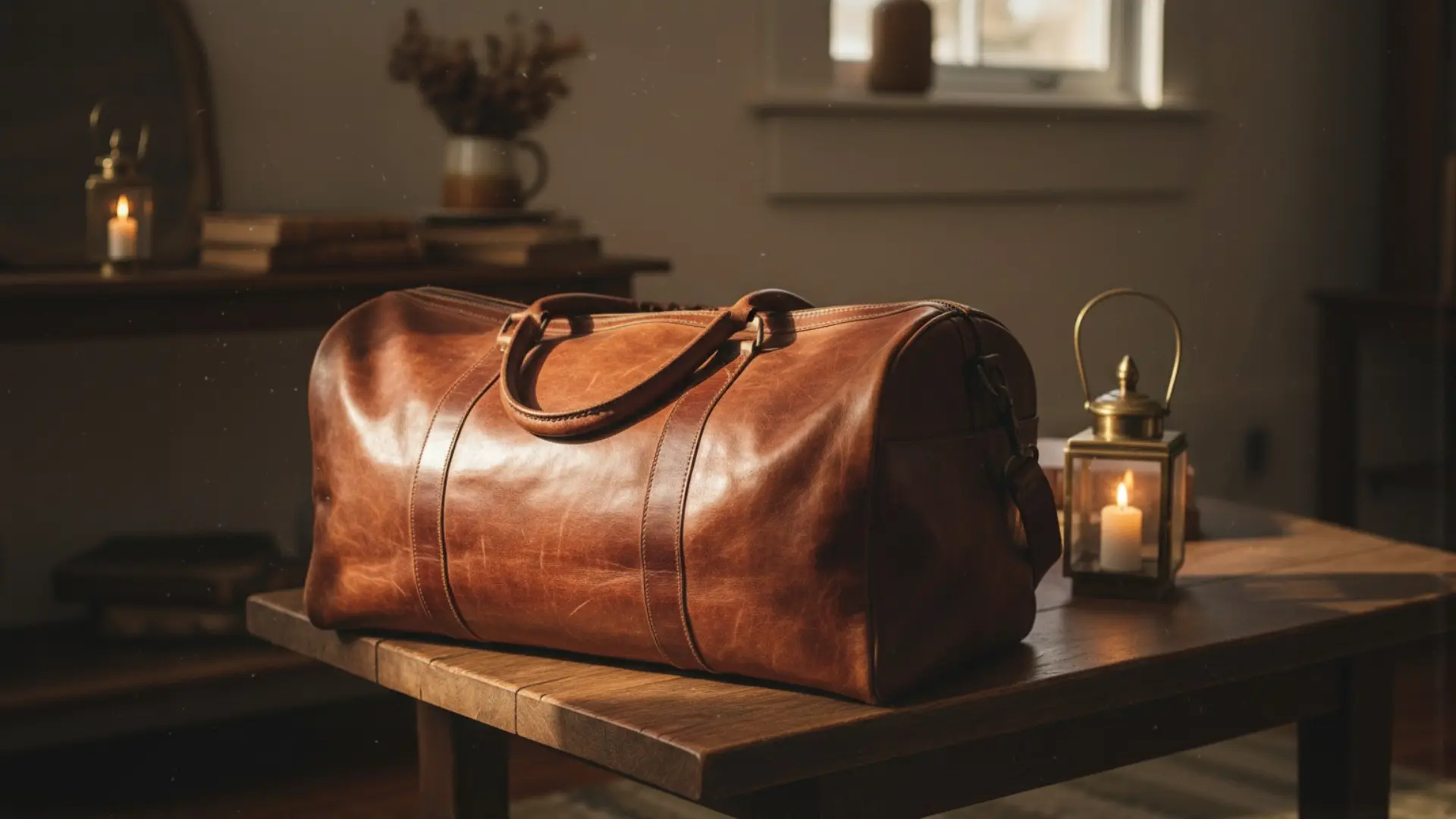
Leather develops a patina as it ages—one of its most admired qualities. Over time, the surface undergoes subtle shifts in tone, gaining depth and nuance rather than losing integrity. Natural oils from handling and gradual exposure to light deepen the color, particularly in vegetable-tanned leather. Marks, scratches, and folds accumulate quietly, each contributing to an appearance shaped by use rather than manufacture.
Patina forms most readily on untreated or lightly finished leathers, where the surface remains responsive to its environment. The result is a soft, understated sheen that reveals texture and history, rather than concealing it. This evolution is not uniform; it reflects how and where the leather has lived.
Changes in Texture and Flexibility
As leather ages, it becomes noticeably softer and more pliable. The internal fibers relax with use, allowing the material to respond more fluidly to movement. This transformation is especially evident in items handled frequently—wallets, belts, and bags—where repeated motion encourages suppleness.
Fine wrinkles and creases may emerge as the leather adapts to its function. These are not signs of weakening. When cared for properly, leather retains its strength even as its surface becomes more accommodating. Comfort increases, durability remains.
Color Fading and Darkening
Light and air influence leather’s color over time. Sun exposure often lightens certain areas, while oils from the skin deepen those touched most often. Vegetable-tanned and aniline leathers, in particular, display pronounced tonal variation due to their minimal surface treatments.
Rather than detracting from quality, these shifts are widely regarded as evidence of authenticity. Variations in hue and depth reflect the nature of genuine leather—responsive, expressive, and inherently individual.
What Actually Causes Cracking and Dryness
Loss of Natural Oils
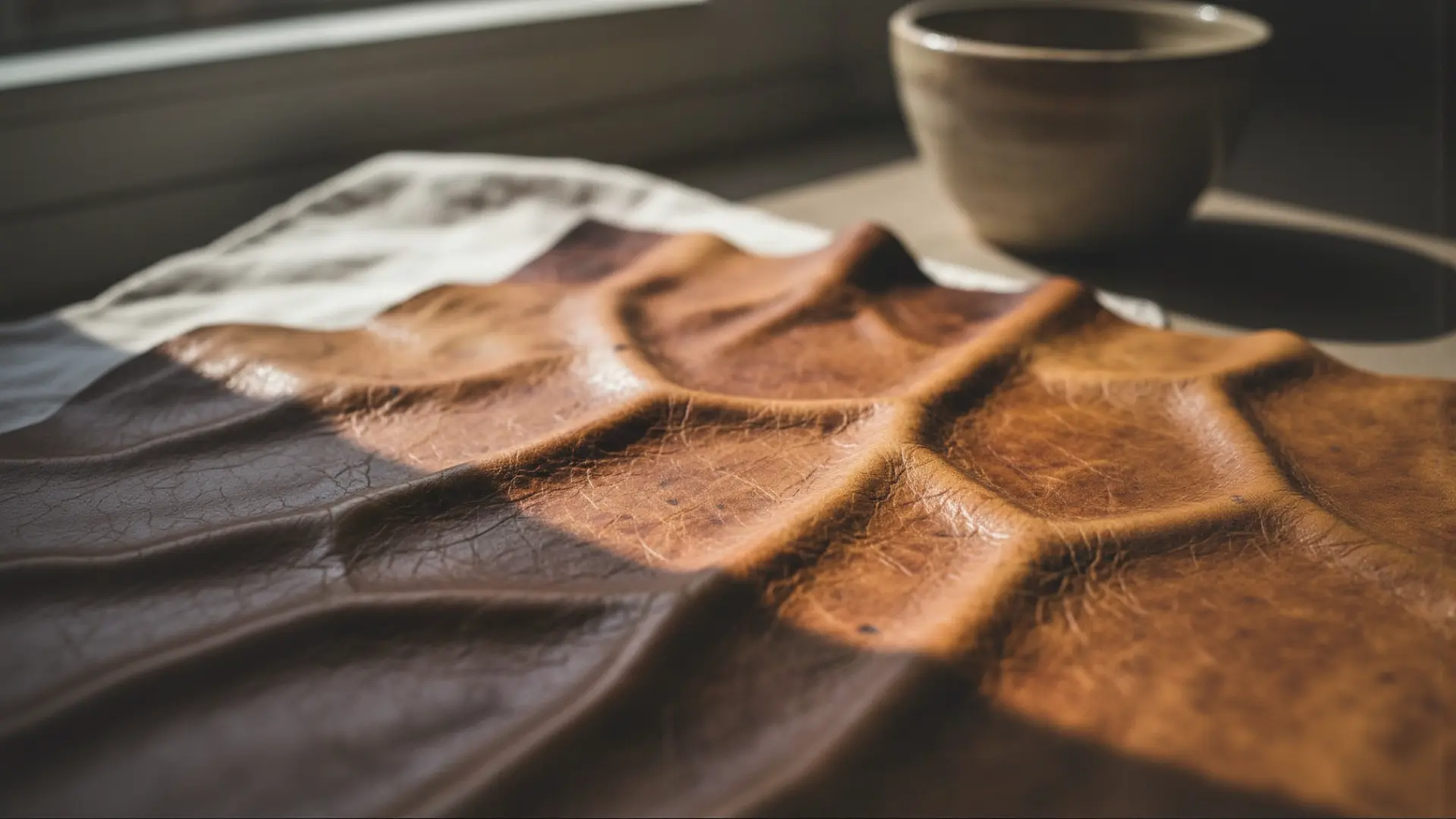
Cracking begins not with age itself, but with depletion. Leather relies on natural oils to remain supple. Heat, sunlight, and prolonged air exposure accelerate their loss, gradually stiffening the material. Once flexibility diminishes, the surface becomes vulnerable to cracking.
Items stored near heat sources or exposed to direct light tend to dry out more quickly. Without intervention, the surface dulls, the fibers tighten, and visible fractures may develop. Conditioning can slow this process significantly; neglect allows it to advance.
As oils evaporate over time, leather may feel rough or lifeless. While regular handling can redistribute oils within the material, replenishment is essential. Without it, dryness becomes inevitable.
Environmental Factors
Leather responds sensitively to its surroundings. Humidity causes fibers to expand; drying contracts them again. Repeated cycles of swelling and shrinking place stress on the structure, gradually weakening it. Sunlight compounds this effect by accelerating moisture loss and surface degradation.
Cold temperatures also affect pliability, making leather more susceptible to cracking when flexed. Airborne pollutants and dust further complicate the process, settling into the grain and trapping moisture. Over time, these combined forces erode protective finishes and compromise resilience.
Improper Care and Maintenance
Leather left uncleaned or unconditioned is exposed to unnecessary wear. Fine dirt particles lodge in the grain, subtly abrading the fibers. Without conditioning, lost moisture is not replaced, allowing minor imperfections to widen.
Harsh cleaners and excess water strip away essential oils and finishes, hastening dryness. Regular use without supportive care amplifies damage. Thoughtful maintenance does not halt aging, but it preserves balance and prevents avoidable deterioration.
Setting Realistic Longevity Expectations
Understanding Natural Wear Patterns
Leather changes through use, not despite it. Patina develops as the material responds to touch, light, and air. Color deepens or shifts, creases form, and the surface softens—outcomes shaped by both material quality and daily interaction.
These developments are inherent, even under careful ownership. Recognizing them as natural prevents misplaced expectations and encourages appreciation of leather’s evolving character.
Factors Influencing Leather Aging
How leather ages depends on multiple variables. Sun exposure may fade color; humidity may soften or distort shape. Leather type plays a defining role: full-grain leather records wear openly, gaining richness alongside visible marks, while treated leathers resist surface change but may lack depth over time.
Usage patterns, cleaning habits, and storage conditions all influence the pace and nature of aging. Together, they determine whether leather matures gracefully or deteriorates prematurely.
What Remains Unchanged Over Time
Certain qualities endure. With appropriate care, leather maintains its structural strength and flexibility for decades. Well-made leather resists tearing and excessive stretching, even as its surface evolves.
Core characteristics—breathability, tactile richness, and resilience—persist beneath cosmetic change. These constants underpin leather’s long-standing relevance as a material chosen for longevity rather than novelty.
Maintaining Leather’s Structural Integrity
Understanding Leather’s Fiber Structure
Leather’s durability lies in its dense, interwoven fiber network. This structure allows strength and flexibility to coexist. Environmental stress—water, sunlight, repeated motion—can weaken fibers if unmanaged.
Moisture causes expansion; drying contracts the fibers, sometimes leading to stiffness or cracking. Excessive dryness removes essential oils, increasing brittleness. Surface appearance may remain appealing while internal resilience declines. Awareness of fiber behavior helps identify early signs of fatigue.
Preventing Degradation Through Proper Care
Consistent care supports leather’s internal balance. Gentle cleaning removes abrasive particles before they compromise fibers. Conditioning restores oils, preserving flexibility and resistance to stress.
Storage matters as much as maintenance. Cool, dry spaces away from direct light protect structure. Avoiding prolonged pressure, tight folding, or distortion helps leather retain its intended form. Support and airflow contribute quietly to longevity.
Addressing Minor Damage Early
Small issues signal larger risks. Surface dryness, fine cracks, or stiffness often precede deeper structural damage. Prompt conditioning or professional treatment can arrest further decline.
Gentle methods safeguard internal fibers; aggressive solutions undermine them. Aging cannot be stopped, but timely intervention ensures leather remains functional and strong long after surface changes appear.
Using Leather Aging to Your Advantage
Embracing the Patina Effect
Patina is not incidental—it is the visible record of use. This natural sheen emerges through handling, movement, and exposure, lending depth that cannot be replicated artificially.
Those who understand leather aging anticipate these changes rather than resist them. Regular use encourages even development, allowing the material to mature in a balanced, expressive way. Over time, the leather reflects patterns of life, becoming unmistakably individual.
Customizing Care for Desired Effects
Care influences character. Conditioning maintains suppleness and moderates dryness while subtly enriching tone. Cleaning with appropriate products preserves surface integrity without stripping oils.
Storage choices prevent unintended damage, while consistent routines guide how leather evolves. Whether preserving a refined appearance or allowing a more pronounced patina, informed care shapes the outcome without forcing it.
Incorporating Vintage Elements
Aged leather complements both contemporary and classic design. Its texture and tonal variation introduce authenticity, grounding modern forms with history.
Designers and collectors value leather that has matured well, recognizing patina as evidence of quality rather than age alone. When embraced thoughtfully, natural aging enhances aesthetic and cultural value.
Conclusion: Ownership, Not Perfection
The Value of Patina and Character
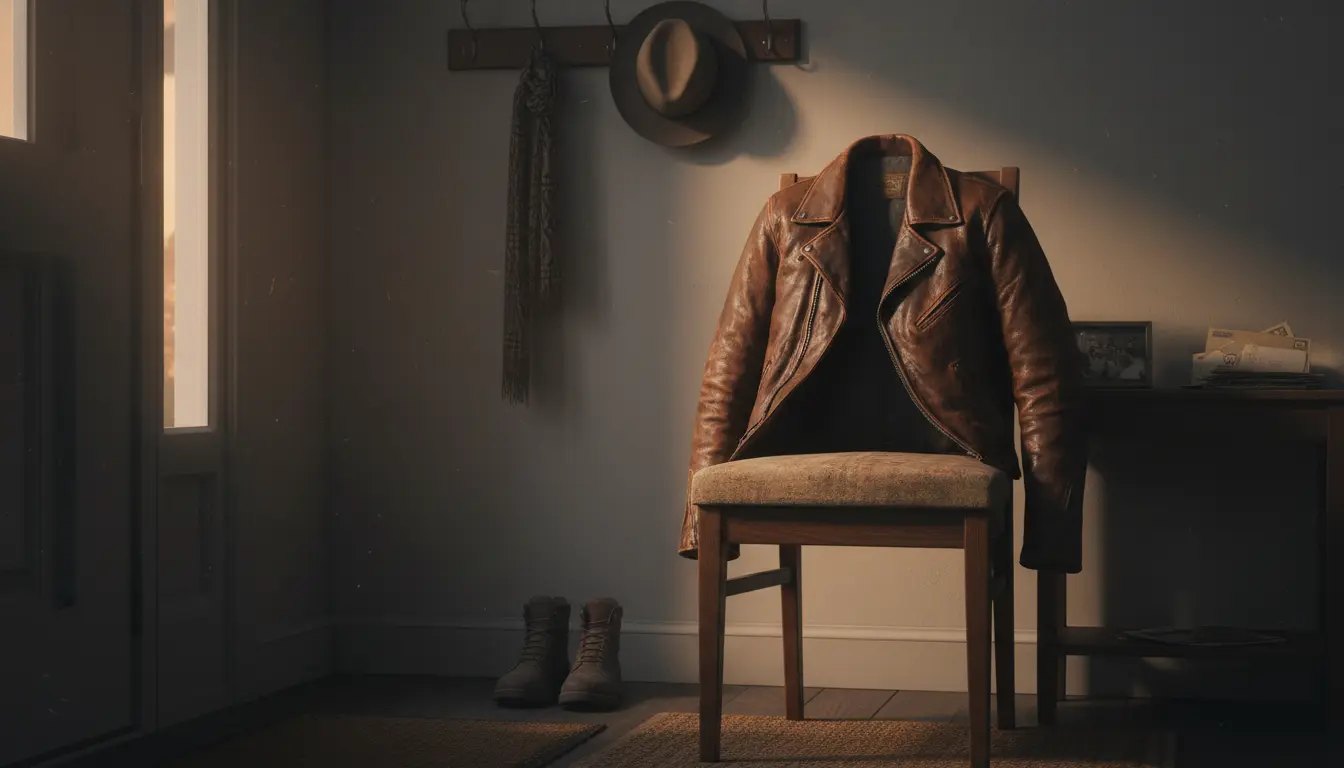
Leather aging is not deterioration; it is transformation. Marks and creases accumulate meaning rather than diminish worth. A well-aged jacket or bag carries distinction precisely because it differs from newer counterparts.
Patina results from attentive use, not neglect. Its presence signals engagement, care, and time. For many, this evolution deepens appeal rather than reducing it.
Embracing Responsibility as an Owner
Owning leather involves acceptance. Change is inevitable, but neglect is not. Cleaning, conditioning, and mindful storage preserve flexibility and strength while allowing character to develop.
The goal is not flawlessness, but stewardship—understanding which changes are natural and which require attention. This balance sustains value and extends life.
Shifting the Focus: Human Connection and Authentic Use
Leather records experience. A scratch may recall a journey; darkening may reflect daily rituals. These traces connect owner and object through shared history.
Perfection is not the measure of value. Authentic use is. Leather is not meant to remain unchanged—it is meant to live, adapt, and reflect the life around it.
