
What defines a top-tier designer brand for men today?
Visible logos no longer dictate status. Construction integrity does. Buyers now prioritize garments that hold their shape across varied settings. This shift favors brands investing in superior materials over transient marketing. Fit consistency matters more than hype.
Heritage vs. Contemporary
The market splits into two camps. Established heritage houses sit alongside modern contemporary labels. Heritage brands like Brioni rely on decades of technical expertise in formalwear. Contemporary houses such as The Row was established in 2005 by Ashley and Mary-Kate Olsen to challenge these norms with minimalist precision. These newer labels strip away ornamentation. They focus on silhouette and proportion. AMI Paris was founded in 2011 by Alexandre Mattiussi to provide a friendly approach to French fashion. Shoppers choose between traditional power dressing and relaxed ease. The distinction is structural, not just aesthetic. Heritage pieces often feature rigid canvases. Contemporary items may use softer methods for comfort.
Construction and Material Standards
Price justification stems from fabric quality. It also depends on manufacturing origins. Brunello Cucinelli’s production is entirely made in Italy, ensuring strict oversight of every stitch and fiber. This control prevents inconsistencies found in mass-produced apparel. Consistency in sizing matters more than brand recognition for long-term wear. A garment that fits perfectly upon purchase will continue to drape correctly after multiple cleanings. Examine seam alignment before buying. Check fabric weight too. High-twist wools resist pilling. Premium cashmeres maintain their form. These choices extend the life of the clothing. They reduce the cost per wear. The 2026 market rewards this durability. Versatility becomes the primary metric for value. A jacket working in a boardroom offers more utility than a trend-driven piece. Look past the label. Assess the hand feel. Scrutiny separates true investment pieces from expensive disposable fashion.
Which brands offer the best foundation for a minimalist wardrobe?
The Row, Jil Sander, and Loro Piana provide necessary structural integrity. These labels prioritize fabric quality over seasonal novelty. Visible logos are absent. This approach ensures each garment serves as a long-term asset. Transient trends are ignored.
The Row: Architectural Simplicity
Ashley and Mary-Kate Olsen launched this label with a commitment to exceptional fabrics and impeccable details exceptional fabrics. The brand’s menswear arrived in spring 2011. It avoids decorative excess. Architectural silhouettes take precedence. A cashmere sweater from this collection may cost $2,450. Yet the investment secures a piece defined by precise tailoring rather than brand signaling. The design philosophy rejects noise. It offers a uniform for those who value discretion. The cut allows for movement without sacrificing form. This balance is difficult to achieve. Many brands fail at it. The Row succeeds through restraint.
Loro Piana: Fabric First
Material quality dictates garment performance here. Loro Piana sources rare fibers like vicuña. They use high-twist wool to create textiles that endure daily wear. Neutral colors allow easy mixing throughout the year. A suit from this house does not shout. It conveys authority quietly. The touch of the fabric confirms its value before the eye registers the price. This tactile response characterizes quiet luxury. Professionals who know status needs no announcement prefer this style. Longevity justifies the initial expenditure. These pieces resist pilling and fading. They maintain their shape. Frequent replacement becomes unnecessary.
Jil Sander: Pure Form
Jil Sander remains a benchmark for reductionist design. Non-essential elements are stripped away. The purity of the cut is highlighted. Each seam serves a functional purpose. Proportions are exact. This discipline brings calm to the wearer’s look. Spaces valuing clarity over decoration benefit from this aesthetic. The clothes do not distract. They support the individual. Emphasis on pure form keeps the style relevant past the current season. It is a sustainable approach to dressing. Waste is minimized through lasting appeal. The aesthetic is clean. It is modern. It is timeless.
Where do Italian heritage brands excel in tailoring?
Italian heritage houses represent the peak of menswear construction. Strict standards for fabric and fit rule here. These labels favor structural integrity over passing fads. Garments maintain their shape across years of wear. Men wanting presence in formal rooms look to these standards. The difference lies in internal architecture. It is not just about the exterior silhouette.
Brioni: Power Dressing Redefined
Brioni represents the Roman school of tailoring. A structured shoulder and defined waist characterize the look. This cut projects authority. Boardrooms and serious negotiations demand this staple. The brand’s approach relies on full-canvas construction. This allows the wool to mold to the wearer’s body over time. The jacket drapes naturally rather than hanging stiffly. Retailers like Neiman Marcus stock Brioni, providing access to these precise cuts for United States clients. The result commands presence. Comfort is not sacrificed.
Zegna: Innovation in Wool
Zegna merges traditional methods with textile innovation. The company controls its supply chain from sheep to suit. Exceptional quality control in high-twist wools is ensured. Vertical integration supports consistent sizing and fabric performance. Men can find Zegna suits at MR PORTER, where the focus remains on versatile luxury. The brand often utilizes a softer shoulder than Brioni. This bridges the gap between formal structure and modern ease. Professionals requiring elegance but rejecting rigid formality appreciate this balance. The fabric breathes well. This is crucial for travel or long days in the office.
Canali: Traditional Craftsmanship
Canali adheres to a classic Milanese aesthetic. Clean lines and understated elegance are emphasized. Excessive padding is avoided. The quality of the canvas and precision of the stitch do the work. This approach creates a silhouette that is refined yet approachable. Like its peers, Canali is available at Neiman Marcus, ensuring broad accessibility for American shoppers. Half-canvas construction offers a lighter feel. It suits warmer climates or less formal business environments. This method preserves the natural drape of the wool. Enough structure is provided to maintain a sharp appearance. Attention to detail extends to the lining and buttonholes. The garment is marked as a long-term investment.
Which contemporary labels bridge streetwear and luxury?
Contemporary designers merge casual comfort with high-end construction. Modern menswear is redefined. This hybrid approach allows men to wear hoodies and denim with confidence. Suits once held this monopoly. The result is a wardrobe that feels relaxed. It remains undeniably polished.
Ami Paris: Effortless Chic
Alexandre Mattiussi launched his label to offer a friendly take on French fashion. Ami Paris was founded in 2011 with a focus on wearable, everyday pieces. The brand avoids the stiffness of traditional tailoring. Soft shoulders and easy fits are preferred. A cotton t-shirt with the signature heart logo costs around $150. It is an accessible entry point. These items work well under blazers. They also stand alone for weekend wear. Ease is prioritized. Quality expected from a designer house is not sacrificed.
Amiri: Rockstar Aesthetic
Mike Amiri built his brand on Los Angeles rock-and-roll culture. Designs often feature distressed denim and leather jackets. They mimic the look of vintage band merch. The construction uses premium materials. Precise detailing justifies the luxury price tag. This appeal targets those who want edge without looking costumey. Pairing an Amiri jacket with simple trousers creates a balanced silhouette. It works for evening events. The brand’s success lies in making destruction look deliberate. It looks refined.
Off-White: Industrial Edge
Virgil Abloh’s legacy continues through a design language questioning traditional luxury norms. Off-White and AMIRI are available at major global retailers, ensuring broad access to these distinct styles. Off-White often employs industrial motifs like zip ties. Quotation marks challenge viewer expectations. The clothing serves as a statement piece within a minimalist wardrobe. Wearing an Off-White hoodie with tailored wool trousers bridges gaps. Street credibility meets formal dress codes. This contrast keeps the outfit interesting. A cohesive look is maintained.
How do Scandinavian brands influence modern menswear?
Scandinavian labels redefine luxury through proportion and utility. Architectural shapes are prioritized over overt branding. This approach suits creative professionals seeking distinct yet wearable pieces. The aesthetic balances artistic expression with daily function.
Acne Studios: Artistic Utility
Acne Studios challenges standard silhouettes with intentional irregularities. The brand was founded in Stockholm in 1996, establishing a distinct Nordic voice. Their design philosophy treats everyday clothes as an opportunity to get proportions slightly wrong. This method creates garments that feel familiar yet unexpected. Oversized coats become statement pieces. Distorted knits do too. Logos are not relied upon. Color palettes shift between muted earth tones and sharp primaries. These choices allow for easy integration into existing wardrobes. A single accent piece can transform a neutral outfit. Durability of materials ensures these items last beyond a single season. Longevity aligns with the region’s focus on sustainable consumption. Shoppers value the tactile quality of the fabrics. Construction supports heavy layering. This is essential for colder climates.
Our Legacy: Modular Wardrobing
Our Legacy emphasizes modularity and functional details. Collections encourage mixing textures and fits. This flexibility appeals to those who value versatility. Rigid dress codes are avoided. Pieces adapt to various settings instead. A structured blazer might pair with relaxed trousers. This combination works for office environments and weekend outings. The focus remains on the garment’s role in daily life. Practical pockets add to the utility. Robust zippers do too. The aesthetic is understated but never bland. Each item serves a purpose while maintaining visual interest. This mindset reflects a broader shift in men’s fashion. Consumers now seek clothing that performs as well as it looks. The result is a wardrobe that feels cohesive and personal. These brands prove that simplicity requires precise execution. Attention to detail justifies the investment for many buyers.
What makes Brunello Cucinelli a standout for casual luxury?
Brunello Cucinelli defines casual luxury through uncompromising focus on material quality. Ethical manufacturing is central. The brand transforms basic silhouettes into investment pieces. Rare fibers are used. Strict production standards in Italy are maintained. This approach appeals to men who value discretion over logos. Longevity is preferred over trends.
The Cashmere King
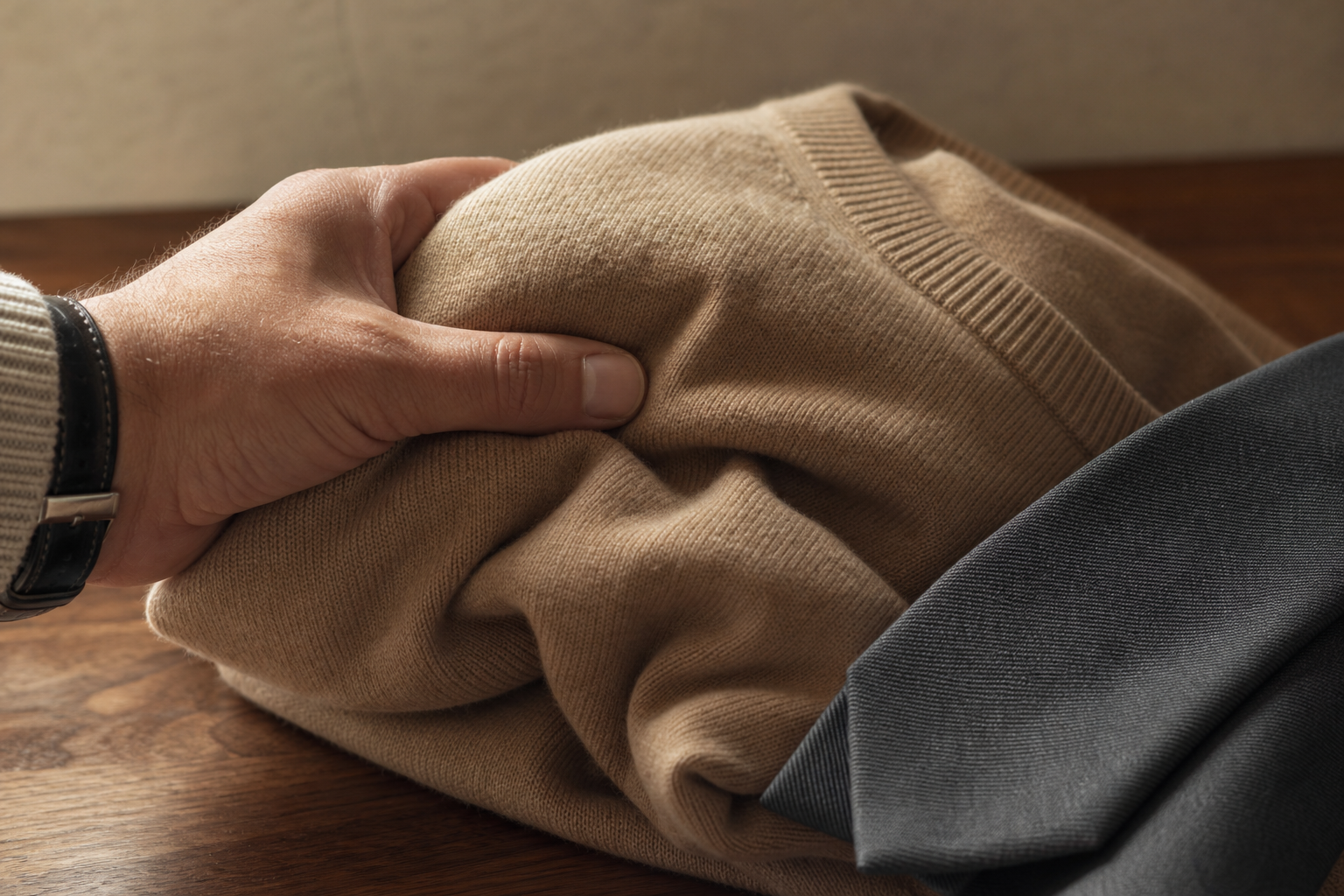
The founder earned the title “King of Cashmere” for his dedication to this specific fiber. His collections rely heavily on soft knits. Layered outerwear is common. Earth-tone palettes suit travel and leisure. A single sweater can cost $4,200 at retailers like MR PORTER. This price reflects the scarcity of raw materials. The labor-intensive finishing process adds cost too. The result is a garment that drapes well. It resists pilling. Men seeking a smart-casual look find these pieces versatile. They work for boardrooms or weekends. The aesthetic avoids sharp tailoring. Relaxed fits that move with the body are favored. This style requires confidence. Prominent branding is absent as a visual crutch.
Ethical Luxury Production
Production takes place entirely within Italy. Oversight at every stage is ensured. The company went public in 2012 and reported revenues of $1.6 billion in 2025. These figures demonstrate that consumers will pay a premium for transparency. The brand operates on a model of humanistic capitalism. Worker dignity is prioritized alongside profit. This philosophy resonates with buyers who consider the origin of their clothes. It justifies the higher cost compared to mass-market alternatives. Consistent quality means these items do not need frequent replacement. A jacket from this label serves as a cornerstone for a minimalist wardrobe. It pairs easily with denim or tailored trousers. Focus remains on the tactile experience of wearing the clothes. Shoppers at Neiman Marcus or Saks Fifth Avenue often choose this brand. Reliable sizing and fabric integrity drive the choice. The investment protects against waste associated with disposable fashion.
How should men evaluate value when buying designer clothing?
True value is not defined by the initial price tag. Longevity and retention matter more. A garment lasting a decade costs less per wear than a disposable item replaced annually. Buyers must assess construction quality. Brand equity determines if a purchase is an investment or an expense.
Cost Per Wear Analysis
Upfront cost often deters potential buyers. This metric is misleading without context. A high-quality piece worn weekly for five years offers superior value. Cheaper alternatives lose shape after a season. This calculation requires discipline. Shoppers must prioritize versatile silhouettes over fleeting trends.
Brunello Cucinelli exemplifies this principle through durable materials. The brand’s 2025 revenues were $1.6 billion, a figure that reflects strong consumer confidence in its lasting appeal. Such financial stability suggests products hold desirability over time. When a buyer invests in a cashmere sweater from this house, they purchase an item designed for repeated use. Cost per wear drops significantly with each outing. This approach aligns with building a reliable wardrobe. It functions across various settings.
Resale Market Dynamics
Not all designer items retain value equally. Heritage brands command higher prices on the secondary market. Limited-edition releases do too. Standard ready-to-wear pieces typically depreciate faster. Iconic staples are exceptions. Care plays a critical role in this equation. Proper maintenance preserves fabric integrity. Hardware remains intact. The item stays sellable.
Buyers should distinguish between signature pieces and trend-driven experiments. The former retains value because it represents the core identity of the house. The latter often becomes obsolete as tastes shift. Understanding which categories hold worth helps shoppers make informed decisions. Shopping transforms from impulsive spending into strategic acquisition.
Which designer brands offer the best entry points for new buyers?
Start with accessories. Or choose a single foundational garment. Do not commit to a full suit immediately. This approach lowers financial risk. It introduces you to fit and fabric standards of high-end labels. A gradual build toward a cohesive wardrobe is allowed.
Strategic Entry Points
Small leather goods serve as practical gateways. Belts and knitwear do too. These items require less sizing precision than tailored jackets. They still convey the brand’s aesthetic identity. For those seeking Designer fashion with a relaxed sensibility, Ami Paris offers accessible pricing. A black cotton T-shirt from the label costs $150. It provides a low-barrier introduction to French style.
Consider established heritage names for enduring value. Polo Ralph Lauren Purple Label delivers traditional tailoring. Prices sit below bespoke tiers. Boss provides structured options for professional settings. The premium cost of Italian haute couture houses is avoided. These lines maintain quality control. Approachable price points are offered for initial purchases.
Smart Shopping Channels
Timing purchases can significantly reduce initial investment. Major retailers like Saks Fifth Avenue hold end-of-season sales. Neiman Marcus does too. Previous collections are discounted by substantial margins. Online platforms such as MR PORTER frequently update inventory. Competitive pricing on core items is common. You can find Zegna alongside other top-tier brands on these sites. Direct comparison is possible.
Focus on building a capsule wardrobe one piece at a time. A single well-made sweater outlasts several trend-driven items. Trousers do too. This method ensures every addition serves a purpose. It integrates with existing clothes. Prioritize neutral colors. Classic cuts maximize versatility across seasons and occasions.
Frequently Asked Questions
Are designer clothes worth the higher price tag for men?
Yes, when construction and materials justify the cost. Designer brands like Brunello Cucinelli and Loro Piana use high-twist wools, premium cashmeres, and full-canvas construction that resist pilling and maintain shape across years of wear. This durability reduces cost per wear compared to fast fashion. The 2026 market rewards versatility—a jacket that works in a boardroom offers more value than a trend-driven piece. Scrutinize seam alignment, fabric weight, and manufacturing origins. Italian heritage houses like Brioni ensure strict oversight of every stitch. Look past the label and assess hand feel. True investment pieces outlast disposable fashion.
Which designer brand has the best fit for athletic builds?
Zegna excels for athletic builds due to its vertical integration from sheep to suit, ensuring consistent sizing and innovative textile engineering. The brand’s high-twist wools provide stretch and durability, accommodating broader shoulders and chests without sacrificing a tapered waist. Brioni’s Roman tailoring offers a structured shoulder and defined waist, projecting authority while allowing room for movement through full-canvas construction. For a more relaxed fit, AMI Paris provides a friendly approach to French fashion with softer construction methods. Always check specific size guides, as Italian brands may run slimmer than US standard sizing. Try on or consult brand-specific measurements before purchasing.
How do I spot fake designer clothing online?
Examine seam alignment and fabric weight—fakes often use cheap materials that pill or fade. Verify manufacturing origins; for example, Brunello Cucinelli is entirely made in Italy. Check for consistent sizing across the brand’s line; counterfeiters frequently misalign measurements. Look at logos: authentic designer logos are precise, with even spacing and correct fonts. Compare against official brand websites or authorized retailers like Neiman Marcus. Be wary of prices far below retail—if a deal seems too good, it likely is. Request detailed photos of tags, stitching, and care labels. Use authentication services for high-value items. Remember, construction integrity, not logos, defines true designer quality.
What is the difference between haute couture and ready-to-wear for men?
Haute couture is custom-made, hand-finished clothing constructed to an individual’s exact measurements, using the finest materials and multiple fittings. It is rare and extremely expensive. Ready-to-wear (prêt-à-porter) is mass-produced in standard sizes and sold in stores. For men, most designer brands like Zegna, Brioni, and The Row focus on ready-to-wear, offering high-quality construction and premium fabrics but without the bespoke process. Haute couture is primarily a women’s fashion domain; men’s equivalent is bespoke tailoring from heritage houses. Ready-to-wear provides accessible luxury with consistent sizing and faster availability.
Do designer brands run smaller than standard US sizing?
Many Italian and French designer brands run smaller than standard US sizing. Italian labels like Brioni and Zegna often have slimmer cuts, especially in the shoulders and waist. French brands like AMI Paris may offer a more relaxed fit, but still tend to be trimmer than US equivalents. Always consult the brand’s specific size chart and measure your chest, waist, and inseam. For example, a US size 40 suit might correspond to an Italian size 50. When in doubt, order a size up or look for brands that offer athletic or regular fits. Consistency in sizing is a hallmark of quality—premium brands maintain strict tolerances.