
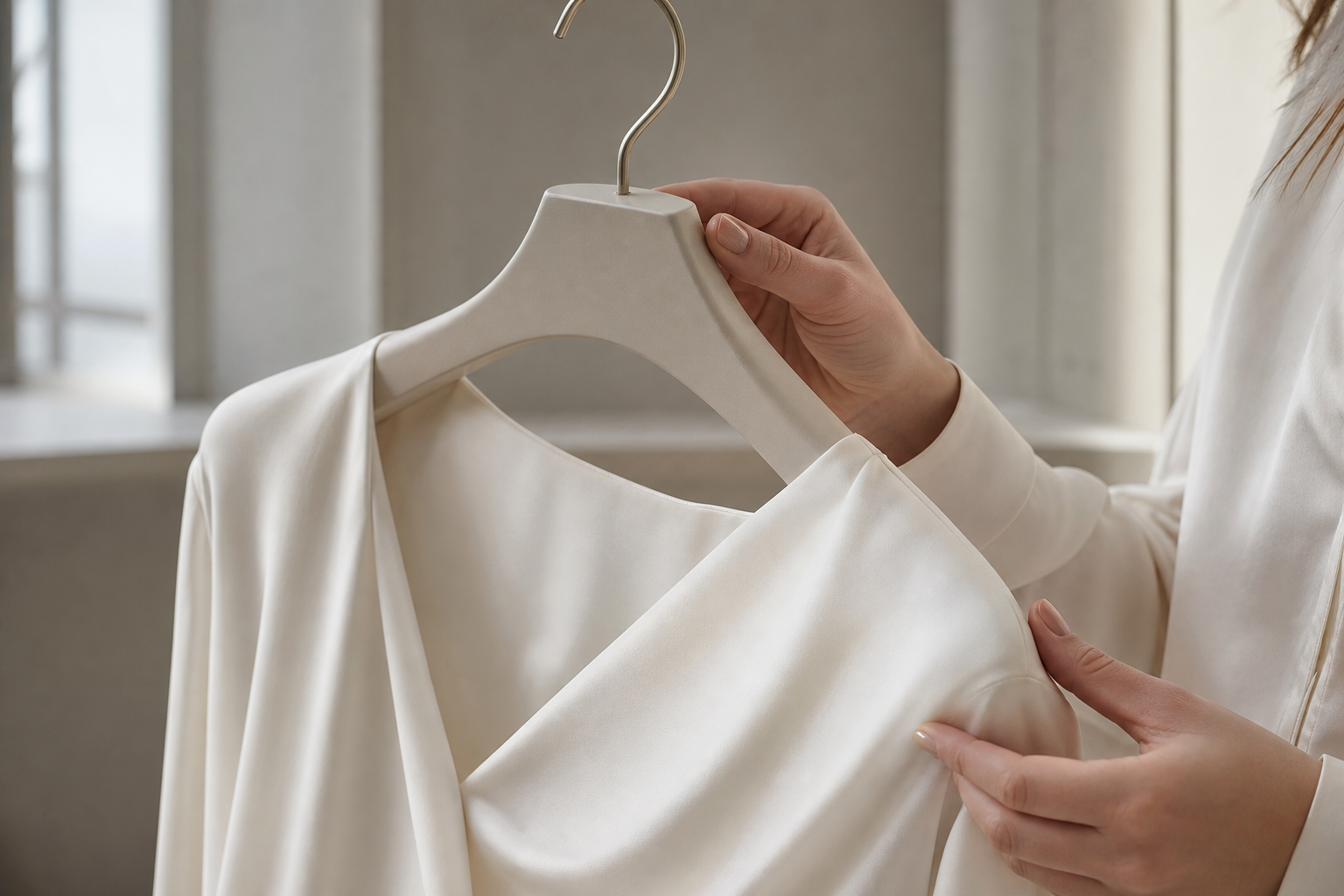
Why do female designers brands dominate the current luxury conversation?
Look, the luxury sector has shifted. Female designers now lead by prioritizing garment longevity and precise fit over fleeting trends. This change reflects a consumer desire for transparency. It also mirrors the realities of modern life.
These labels are defined by women who found and lead their houses. Their influence extends beyond aesthetics to operational ethics and structural independence. Many shoppers seek pieces that complement existing staples complement existing staples. They do not demand constant novelty. A cohort of female-led labels lean minimalist. They keep gradual wardrobe-building in mind. This approach counters the industry habit of pushing volume through rapid seasonal turnover. Designers like Frances Howie of Fforme note that runway presentations often fail to reflect the multitasking nature of contemporary women. What she sees on the catwalk doesn’t always reflect the reality of contemporary women’s lives reality of contemporary women. The result is a collection of garments designed for utility without sacrificing elegance.
The shift toward intention over volume
Luxury buyers increasingly view purchases as investments. They want a permanent wardrobe. This mindset favors brands that emphasize material quality and construction integrity. Independent houses often bypass traditional conglomerate structures to maintain this focus. They control sourcing decisions directly. Labor practices remain under their supervision. This transparency builds trust with a clientele that values ethical production. The demand for such clarity has grown alongside the rise of direct-to-consumer models. Shoppers want to know where their clothes come from. They want to know who made them. Female founders often highlight these details as core brand pillars.
Independence as a luxury signal
Operating outside major conglomerates allows for greater creative freedom. It also offers operational agility. Independent brands can react to market feedback without layers of corporate approval. This agility supports a more personal connection with customers. It enables stricter adherence to sustainability goals. The ability to define success on their own terms distinguishes these labels. They prove that scale is not the only metric for prestige. Quality drives their reputation. Intent matters just as much.
How does Maria Grazia Chiuri redefine Dior’s feminist heritage?
Maria Grazia Chiuri reshaped the house. She centered female experience in its creative direction. She balances historical codes with modern utility to serve contemporary women. Her tenure marks a distinct shift toward intellectual and practical wearability.
Chiuri assumed her role in 2016. She became the first woman to lead the historic French house. This appointment signaled a structural change. Legacy brands began approaching gendered perspectives differently. Her debut collection introduced overt feminist messaging. It included a shirt bearing the slogan “We Should All Be Feminists.” That decision grounded the house in cultural dialogue instead of passing style fads.
Her design process integrates literary and artistic references into ready-to-wear lines. The Bar jacket remains a staple. Yet she softens its structure for daily movement. This approach respects the archive while acknowledging that fashion is a big community of diverse voices. The clothes reflect real lives. They are not just runway fantasies.
Recognition from institutions validates this direction. Chiuri received the 2022 Couture Council Award for her artistry. Such honors highlight the industry’s acceptance of female-led narratives in luxury. Her work proves that heritage houses can evolve. They do not need to erase their founders’ signatures. The result is a wardrobe that feels both authoritative and accessible. Shoppers in the United States find these pieces in major retailers. The demand for meaningful luxury continues to grow there. Chiuri’s influence extends beyond Dior. She sets a precedent for creative leadership across the sector.
What makes Phoebe Philo’s approach to Celine and her eponymous label distinct?
Phoebe Philo prioritizes wearability over spectacle. She creates garments that serve the actual lives of women. Fantasy takes a backseat. Her work rejects transient trends in favor of enduring quality and tactile comfort. This philosophy defined her earlier tenure. It now drives the rapid ascent of her independent label.
The designer previously served as creative director of Céline from 2008 to 2017 creative director of Céline. There, she established a vocabulary of relaxed tailoring and luxurious ease. That period cemented her reputation for minimalist luxury. Critics often described the style as quiet yet authoritative. She returned to the industry with a clear mandate. She aimed to address the gap between runway concepts and daily utility. Her eponymous label launched in October 2023 with minority backing from LVMH launched in October 2023. This signaled strong institutional confidence in her specific vision.
Philo’s current collections focus on unstructured silhouettes. She uses fabrics that invite touch. She avoids the noise of seasonal hype. Instead, she opts for pieces that integrate into an existing wardrobe. This strategy resonates with consumers seeking longevity. Sales surged quickly. The brand reported 2025 sales surpassing $41 million sales surpassing $41 million. This tripled revenue from the previous year. Such growth occurs without traditional advertising campaigns. It relies on word-of-mouth. Selective wholesale partnerships with retailers like Bergdorf Goodman also help.
Her debut collection sold out in minutes debut collection sold out. This proved that demand for considered design remains high. Philo stated she wanted a back-to-reality approach. She ensures clothes are beautiful but driven by real life. She stands apart from peers who favor visual impact over function.
Why is Gabriela Hearst a benchmark for sustainable luxury?
Gabriela Hearst proves that environmental responsibility does not require a sacrifice in aesthetic rigor. Her approach treats sustainability as a structural requirement. It is not a marketing afterthought. This method appeals to shoppers who view their wardrobe as a long-term asset.
Hearst’s upbringing on a ranch in Uruguay informs her strict material standards. She understands the resource intensity of wool and leather production firsthand. This background drives her commitment to traceability and quality. Her brand achieved Certified B Corp status. This validates its social and environmental performance. The certification requires rigorous accountability across the supply chain. It signals to consumers that the brand meets high standards of transparency.
The designer also pioneered carbon-neutral runway shows. These events set a new precedent for industry practices. They demonstrate that high fashion can reduce its footprint without losing spectacle. Hearst focuses on durability over disposability. Her pieces, such as the Nina bag and tailored wool coats, are built to last. This aligns with a shift toward intention over volume in luxury consumption. A cohort of female-led labels lean minimalist and keep gradual wardrobe-building in mind offering pieces that complement. Hearst exemplifies this philosophy. She creates clothes that serve real lives rather than fleeting trends. Frances Howie of Fforme notes that catwalk fashion often ignores reality doesn’t always reflect the reality of contemporary women. Hearst’s designs address this gap. They offer strength and beauty grounded in practicality. This resonates with clients seeking authority and ease in their dress. The outcome is a lineup that balances contemporary relevance with lasting appeal.
How does Marine Serre merge upcycling with high fashion?
Marine Serre treats waste as a raw material. It is not an afterthought. Her collections prove that circular design can coexist with the rigor of haute couture. The French designer merges streetwear utility with complex construction techniques. The garments feel both urgent and timeless. This approach challenges the industry’s reliance on virgin textiles. It maintains a distinct aesthetic identity.
The crescent moon motif serves as an immediate visual identifier. It appears across regenerated pieces. This signals a commitment to sustainability without sacrificing style. Serre’s work often utilizes deadstock fabrics. She transforms pre-existing materials into high-demand luxury items. This method reduces environmental impact. It demands greater creativity from the design team. The resulting garments possess a unique history. They stand apart from mass-produced alternatives.
Recognition from major industry bodies has validated this hybrid model. Serre won the LVMH Prize. This is a significant honor for emerging talent in the global fashion landscape LVMH Prize recognition. She also received the ANDAM Fashion Award. This further cements her status as a leading voice in contemporary design ANDAM Fashion Award. These accolades highlight a shift. Luxury institutions now value innovation and ethical practice more highly.
Her runway presentations often blend athletic silhouettes with tailored precision. This fusion appeals to a consumer who values versatility. Narrative depth matters too. The clothes are not merely recycled. They are reimagined with technical expertise. Serre demonstrates that responsible sourcing does not require a compromise on ambition or form. Her success encourages other houses to examine their own material lifecycles.
In what ways does Grace Wales Bonner challenge traditional tailoring?
Grace Wales Bonner redefines the suit. She centers Black diaspora identity. She softens rigid structures for fluid movement. Her work merges intellectual rigor with artisanal collaboration. It moves beyond standard European tailoring codes. The garments honor specific cultural histories. They remain wearable in modern contexts.
The designer approaches menswear not as a uniform of conformity. It is a site for cultural exploration. She investigates the nuances of masculinity within the Black Atlantic. Connections emerge between Jamaica, Britain, and West Africa. This perspective allows her to deconstruct the traditional silhouette. Shoulders drop slightly. Linings breathe. The result is a garment that respects the body’s natural motion. It does not force the body into a static pose. Such an approach resonates with a broader shift where women designers prioritize women’s real lives over perceived fantasies. Bonner applies this reality-driven lens to masculine dress.
Collaboration forms the backbone of her practice. She works directly with artisans in Haiti, India, and Kenya. Craft techniques inform the final shape of the clothing. These partnerships are not mere aesthetic additions. They are structural elements that define the brand’s luxury status. The intellectual depth extends to her lookbooks and presentation formats. They often reference literature and music from the mid-twentieth century. This method creates a narrative layer. It elevates the clothing above seasonal trends. While other emerging labels focus on personal touches, such as Heirlome’s rebozos taking three months to weave, Bonner scales this intimacy through complex tailoring. It retains a handmade sensibility. Her collections offer a studied alternative to the loud logos dominating the market. They appeal to those who value context as much as cut.
What defines the aesthetic of Peter Do’s eponymous brand?
Peter Do builds authority through precision. His collections favor architectural lines. Monochromatic palettes serve the professional woman. This approach rejects seasonal noise in favor of lasting utility. The result is a wardrobe that commands respect. It does not shout.
Do trained under Derek Lam. There, he mastered the mechanics of sharp tailoring. That technical foundation remains central to his eponymous label. He constructs garments with a sculptor’s eye for proportion. Seams sit exactly where they should. Shoulders hold their shape. The silhouette is clean, intentional, and uncluttered. This discipline appeals to those who view clothing as a tool for navigation in corporate spaces. The clothes do not distract. They support.
The brand’s retail strategy mirrors this focus on selectivity. Do does not saturate the market. He partners with key wholesale accounts that align with his vision. Stores like Bergdorf Goodman carry the line. They offer access to a clientele that values investment pieces over transient trends. This controlled distribution maintains the brand’s premium positioning. It ensures the customer experience matches the quality of the garment.
While many labels chase viral moments, Do prioritizes fit and fabric. The aesthetic is quiet but potent. It speaks to a desire for clarity in dressing. The monochromatic schemes allow for easy coordination. This reduces decision fatigue for the wearer. Each piece functions as part of a larger system. This methodical design philosophy distinguishes the brand in a crowded luxury landscape. It offers a sense of calm through structure. The clothes are designed to last. This applies to both construction and style.
How does Stella McCartney maintain ethics without compromising style?
Stella McCartney proves that ethical constraints can drive design innovation. They do not limit it. Her brand rejects leather and fur. It delivers silhouettes that compete with traditional luxury houses on aesthetic merit. This approach positions sustainability as a foundational value. It is not a seasonal marketing tactic.
The label established its vegetarian stance at launch in 2001. This set a precedent for the industry. Early commitment allows the brand to refine alternative materials over decades. Recent collections feature bio-based fabrics such as Mylo and Alter Nappa. These mimic the hand of animal skins without the environmental toll. Innovations satisfy the tactile expectations of luxury shoppers. They prioritize material quality.
McCartney balances these technical achievements with wearable daywear. Playful prints add character. The clothes function within a modern wardrobe. They offer versatility for professional and social settings. This practicality ensures the pieces remain relevant beyond a single season. The design philosophy aligns with a broader shift among women-led labels. A cohort of female-led labels lean minimalist and keep gradual wardrobe-building in mind, offering pieces that complement existing staples female-led labels lean. This focus on longevity counters the disposable nature of trend-driven fashion.
By integrating ethics into the core identity, the brand avoids the perception of compromise. The result is a collection that stands on its own merits. Shoppers do not buy these items solely for their moral credentials. They purchase them because the cut, color, and fabric meet high standards. This dual appeal sustains the brand’s relevance in a competitive market. It demonstrates that responsible production and desirable design are not mutually exclusive. The continued success of the house validates this model. Other designers seek to merge conscience with commerce.
Why is Jacquemus considered a masterclass in modern branding?
Jacquemus thrives by merging digital virality with tangible product desire. Simon Porte Jacquemus controls the narrative. He uses experiential shows and accessible accessories. This strategy builds a loyal community. It does not rely on traditional advertising spend.
The brand’s origin story anchors its appeal. Jacquemus is self-taught. He draws heavily from his Provençal roots. This authenticity resonates with shoppers seeking personality over polish. He bypassed conventional fashion education. He built a world that feels personal and sun-drenched. The aesthetic is distinct. Yet the business model is rigorous.
Viral moments drive awareness. Products sustain revenue. Runway spectacles generate headlines. Small leather goods offer entry points. Shoppers who cannot afford ready-to-wear still participate. They buy bags and sunglasses. This tiered approach widens the customer base. It does not dilute the luxury perception. The brand maintains high margins on these smaller items.
Control remains central to the operation. Direct-to-consumer channels allow Jacquemus to dictate pricing and presentation. There is no reliance on wholesale partners to interpret the vision. The founder manages the image from campaign to checkout. This independence protects the brand from market fluctuations. Larger houses often suffer from these shifts. It also allows for rapid response to trends.
The result is a label that feels both intimate and global. Followers engage with the lifestyle. They do not just engage with the clothing. This emotional connection converts viewers into buyers. The brand proves that modern luxury requires more than heritage. It demands a consistent, controlled voice across all touchpoints. Jacquemus delivers this through disciplined storytelling and product focus.
How does Telfar Clemens prioritize community in fashion?
Telfar Clemens constructs a brand ecosystem rooted in accessibility. Direct consumer dialogue is key. His approach rejects traditional luxury gatekeeping. Inclusive participation takes its place. This strategy transforms customers into active stakeholders. They are not passive buyers.
Clemens operates with a clear mandate to serve women directly. The label’s ethos centers on the idea that fashion should reflect the people who wear it. It should not just reflect the designers who create it. This perspective aligns with a broader industry shift where women designers prioritize women’s real lives over perceived fantasies. By focusing on practical needs and diverse body types, the brand ensures its pieces function within actual daily routines. This commitment to reality over runway spectacle builds lasting trust.
The business model relies on transparent engagement. Digital channels and physical events facilitate this. Clemens uses these platforms to explain production timelines. He clarifies pricing structures. This demystifies the value chain. Openness fosters a sense of shared ownership among buyers. While other houses maintain distance, this label invites scrutiny and conversation. Such transparency is rare in the sector. It is essential for modern loyalty.
Expansion into lifestyle categories follows the same communal logic. New product lines address gaps identified by the customer base. This ensures relevance. The brand avoids diluting its message by chasing transient trends. Instead, it deepens its connection to core values of equity and representation. This consistency allows the label to grow without losing its identity. The result is a loyal following. They value the mission as much as the merchandise.
Frequently Asked Questions
Who are the most influential female fashion designers in 2026?
Maria Grazia Chiuri and Phoebe Philo remain the most influential female designers in 2026. Chiuri, creative director of Dior since 2016, redefined the house by centering female experience and wearability, earning the 2022 Couture Council Award. Philo, known for her minimalist luxury at Céline (2008–2017), launched her eponymous label in 2023 with LVMH backing; by 2025, sales surpassed $41 million. Both prioritize garment longevity, precise fit, and utility over spectacle. Emerging names like Frances Howie of Fforme also gain influence by designing for multitasking women, rejecting runway fantasies in favor of real-life functionality.
What distinguishes female-founded luxury brands from heritage houses?
Female-founded luxury brands typically operate independently of major conglomerates, allowing greater creative freedom and direct control over sourcing, labor, and sustainability. They prioritize garment longevity, precise fit, and transparency—often highlighting who made the clothes. Heritage houses like Dior, while evolving under female leadership (e.g., Maria Grazia Chiuri), carry historical codes and institutional structures that can slow adaptation. Independent female founders build personal customer connections and define success by quality and intent, not scale. This agility and ethical focus distinguish them from legacy brands bound by corporate layers and seasonal volume targets.
Are female designer brands more sustainable than male-led ones?
There is no inherent rule that female designer brands are more sustainable, but many female founders prioritize transparency and ethical production as core pillars. Independent female-led labels often control sourcing and labor practices directly, building trust with clients who value sustainability. They tend to emphasize garment longevity and gradual wardrobe-building over rapid seasonal turnover. However, sustainability depends on specific brand practices, not founder gender. Male-led brands can also excel in sustainability. The key difference is that female founders frequently highlight these details as central to their brand identity, responding to consumer demand for ethical clarity.
Which female designers offer the best investment pieces?
Phoebe Philo’s eponymous label offers top investment pieces: unstructured silhouettes, tactile fabrics, and enduring quality that integrate into existing wardrobes. Her 2025 sales exceeding $41 million reflect strong consumer confidence in longevity. Maria Grazia Chiuri’s Dior collections also provide investment value—she softens iconic pieces like the Bar jacket for daily wear while respecting heritage, making them timeless. Frances Howie’s Fforme focuses on utility and elegance for multitasking women. These designers prioritize material quality, construction integrity, and fit over trends, ensuring pieces retain value and relevance.
How can I support independent female designers in the US?
Shop directly from their websites or at independent boutiques that stock female-founded labels. Follow them on social media and engage with their content to boost visibility. Attend trunk shows, sample sales, or fashion events in cities like New York, Los Angeles, and Chicago. Write reviews and share purchases online to amplify word-of-mouth. Consider renting or buying pre-owned pieces from resale platforms to extend their lifecycle. Subscribe to newsletters for early access to new collections. Prioritize brands that disclose sourcing and labor practices—many independent female designers highlight these details, and your support reinforces ethical production.
What is the shift toward intention over volume in luxury fashion?
Luxury buyers in 2026 increasingly view purchases as investments, seeking a permanent wardrobe rather than fleeting trends. This shift favors brands that emphasize material quality, construction integrity, and precise fit. Female-founded labels often lead this approach by designing for gradual wardrobe-building and utility, countering the industry’s habit of rapid seasonal turnover. Independent houses control sourcing and labor directly, building trust through transparency. This intentionality—prioritizing longevity over volume—reflects a consumer desire for clothes that serve real lives, not just runway fantasies.
How does Maria Grazia Chiuri redefine Dior’s feminist heritage?
Maria Grazia Chiuri, Dior’s first female creative director (appointed 2016), centers female experience in her designs. She balances historical codes—like the Bar jacket—with modern utility, softening structures for daily movement. Her debut featured a “We Should All Be Feminists” shirt, grounding the house in cultural dialogue. She integrates literary and artistic references into ready-to-wear, respecting the archive while acknowledging diverse voices. Chiuri received the 2022 Couture Council Award for her artistry. Her work proves heritage houses can evolve without erasing founders’ signatures, creating authoritative yet accessible wardrobes.
What makes Phoebe Philo’s approach to Celine and her eponymous label distinct?
Phoebe Philo prioritizes wearability over spectacle, creating garments for real women’s lives. At Céline (2008–2017), she established a vocabulary of relaxed tailoring and luxurious ease, cementing her reputation for minimalist luxury. Her eponymous label (launched 2023 with LVMH backing) focuses on unstructured silhouettes and tactile fabrics, avoiding seasonal hype. By 2025, sales surpassed $41 million, reflecting consumer demand for longevity. Philo’s pieces integrate into existing wardrobes, rejecting transient trends in favor of enduring quality. Her approach bridges the gap between runway concepts and daily utility.