
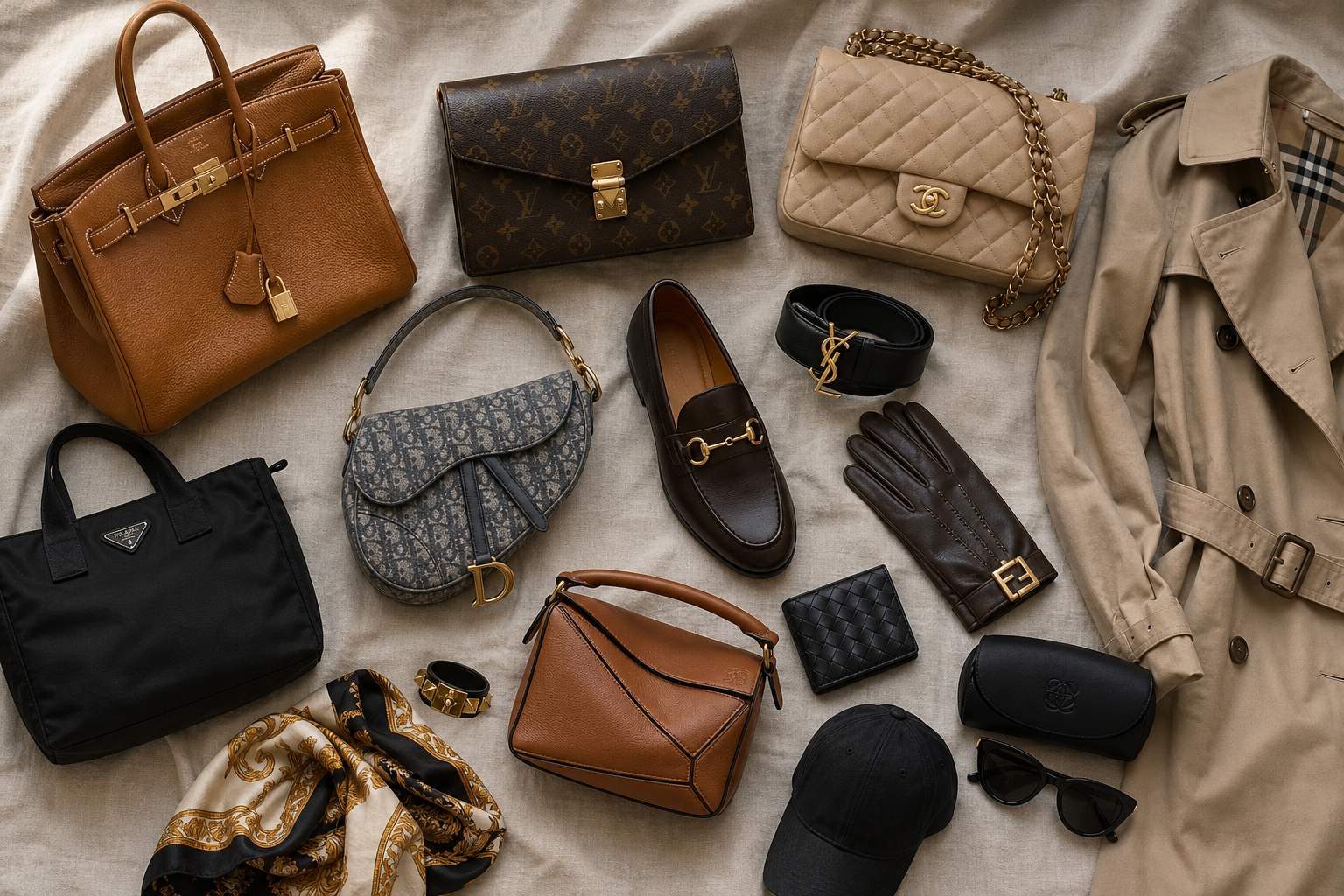
How is the 2026 luxury brand ranking determined?
Look, rankings often miss the point. This list merges financial valuation with cultural endurance to identify fashion’s most significant houses. We prioritize brands showing consistent demand and historical integrity over those relying on transient viral momentum. The result blends market data with qualitative design legacy assessment.
Valuation metrics vs. cultural influence
Money sets the baseline. It does not tell the whole story. Different agencies use distinct models to calculate worth, leading to varied top-line figures. For instance, Louis Vuitton is valued at $129.9 billion by some estimates, reflecting its massive global footprint. Other metrics place the brand lower, highlighting how methodology shapes perception. Interbrand’s 2025 report lists Louis Vuitton at No.12 with a value of $48.4 billion. These discrepancies matter because they reveal different aspects of brand health. One measures pure monetary scale. The other weighs global influence and consistency. In 2026, heritage carries more weight than before. Scarcity drives desire more effectively than ubiquity. Brands that limit access often see higher long-term equity. This shift favors houses with deep archives and controlled distribution networks. Viral trends fade quickly. A century of history does not.
Scope of the list: Fashion, leather goods, and accessories
This compilation focuses strictly on apparel, leather goods, and accessories. It excludes automotive manufacturers, hotel chains, and pure jewelry houses unless they have a dominant fashion division. The goal is to guide shoppers interested in wearable luxury. We look at who defines the silhouette of the season. We also consider who maintains relevance across decades. Hermès generated sales of €16 billion in 2025, a figure driven largely by leather and ready-to-wear. This revenue confirms its standing at the peak of fashion luxury. The brand’s control by descendants of the founder ensures a long-term view that public corporations rarely match. Such structural stability allows for decisions that protect brand equity over quarterly gains. This list rewards that patience. It identifies labels where the product remains the primary focus. Marketing supports the item, not the other way around. Shoppers seeking investment pieces will find these criteria align with their needs for longevity and resale potential.
Which brands define the top tier of luxury fashion?
Hermès, Louis Vuitton, Chanel, Dior, and Gucci anchor the upper echelon of global luxury. These houses maintain dominance through strict distribution control and iconic product lines that resist seasonal dilution. In 2026, Hermès has signaled a shift in market leadership by overtaking Louis Vuitton in specific brand value metrics, reflecting a consumer preference for scarcity over ubiquity.
The dominance of Hermès and Louis Vuitton
Louis Vuitton remains a colossal force. It holds the position of the highest-placed luxury brand in Interbrand’s 2025 Best Global Brands ranking, securing the number 12 spot overall with a valuation of $48.4 billion. Founded in 1854 as a trunk maker, the house uses this lineage to support premium pricing on leather goods and ready-to-wear. Its retail footprint is vast. It operates more than 460 stores in 50 countries, which ensures accessibility while maintaining an aura of exclusivity through store design and service protocols.
Hermès presents a different model of value creation. The brand is still controlled by descendants of founder Thierry Hermès, a governance structure that prioritizes long-term stability over quarterly growth targets. This family oversight allows Hermès to limit production volumes artificially, creating demand that outstrips supply. The result is a brand that commands immense loyalty. In 2025, Hermès generated sales of €16 billion, demonstrating that restraint in distribution can yield higher perceived value than mass availability. The Birkin and Kelly bags remain allocated through client relationships, reinforcing the idea that access is earned rather than purchased.
The enduring power of Chanel and Dior
Chanel and Dior rely on historical prestige. Chanel ranks number one in the Brand Finance 2026 Apparel 50 with a brand value of $34.3 billion. Its power lies in consistent design codes, such as the tweed suit and the quilted bag, which remain recognizable across decades. Dior complements this with exceptional brand strength. It achieved the strongest brand score in the same 2026 Apparel 50 report, earning a Brand Strength Index of 91.5 out of 100. This metric indicates that Dior’s marketing and cultural relevance are highly effective at converting awareness into desire. Both houses avoid discounting, protecting their equity by selling only through owned boutiques and select department store concessions.
Gucci and Prada: Reinventing legacy for modern markets
Gucci and Prada illustrate volatility. Gucci faced headwinds in FY2025, with revenue falling 22 percent to approximately €6.0 billion. This decline highlights the risk of relying on trend-driven logos when consumer tastes shift toward understated luxury. Prada offers a counter-narrative. The Prada Group reported 20 consecutive quarters of growth in FY2025, proving that intellectual rigor and functional design can sustain momentum. While Gucci recalibrates its aesthetic identity, Prada’s steady expansion suggests that clarity of vision often outperforms viral moments in the long term.
What characterizes the established European maisons?
Established European maisons occupy the middle tier of the luxury hierarchy by balancing historical prestige with contemporary relevance. These brands rely on consistent creative direction and archival integrity to maintain their market position against newer competitors.
The brands ranked 16 through 40 define a specific segment of the industry. They possess deep roots in European culture yet adapt quickly to modern consumer demands. Stability in leadership allows these houses to refine their identity rather than reinvent it with every season. This approach creates a reliable product line that appeals to collectors and new clients alike.
French heritage: Saint Laurent, Celine, and Givenchy
French houses in this tier draw on their Parisian roots to convey sophistication. Saint Laurent remains a pillar of this group due to its financial performance and distinct aesthetic. The brand reported FY2025 revenue of €2.64bn while maintaining a strong operating margin. This financial health supports its ability to set trends without compromising its core identity. Celine and Givenchy follow a similar path. They draw from their archives to create pieces that feel both timeless and current. The continuity of their design language ensures that seasonal collections contribute to a cohesive brand narrative.
Italian excellence: Bottega Veneta, Fendi, and Versace
Italian maisons prioritize material quality. Bottega Veneta and Fendi exemplify this focus through their leather goods and ready-to-wear lines. Versace adds a layer of bold visual identity that distinguishes it from its quieter peers. These brands do not rely solely on logos. They emphasize construction and fabric innovation. This dedication to tangible quality helps them retain customers who value longevity over fleeting hype. The Italian approach often involves family-led histories or long-standing corporate structures that protect the brand’s original vision.
Spanish and German influences: Loewe and Hugo Boss
Loewe represents the rising influence of Spanish design within the luxury sector. Its focus on artisanal techniques aligns with the broader demand for authentic craftsmanship. Hugo Boss provides a counterpoint with its German precision and tailored silhouettes. Both brands demonstrate that luxury is not exclusive to France and Italy. They offer distinct cultural perspectives that broaden the appeal of the European luxury market. Loewe’s recent success highlights how a clear creative vision can elevate a historic brand to new heights. These houses prove that regional identity remains a powerful tool in global fashion.
Which contemporary labels are reshaping the luxury landscape?
Contemporary luxury brands from ranks 41 to 70 challenge traditional hierarchies by prioritizing specific aesthetics over broad appeal. These houses capture younger demographics through digital-first strategies and distinct design languages that reject generic status symbols.
The rise of minimalist luxury: The Row and Khaite
Minimalist labels focus on silhouette. Fabric quality matters more than overt branding. The Row and Khaite build loyalty through consistent design codes that function as wardrobe staples. This approach contrasts with seasonal novelty, offering pieces that retain relevance beyond a single trend cycle. Shoppers value this predictability because it simplifies coordination and reduces decision fatigue. The investment lies in cut and material integrity, not logo recognition.
Digital-first success stories: Jacquemus and Off-White
Digital-native brands use social platforms to build immediate cultural resonance. Jacquemus uses visual storytelling to bypass traditional advertising costs, creating a direct line to consumers. This model allows for rapid feedback loops and agile product development. While established houses rely on legacy, these newer entrants build identity through curated online presence and accessible price points within the luxury spectrum. Their growth demonstrates that heritage is not the only path to prestige.
Streetwear-inflected luxury: Amiri and Palm Angels
Streetwear influences continue to shape high-end fashion, blending casual comfort with premium materials. Amiri and Palm Angels exemplify this fusion, appealing to consumers who value both comfort and status. However, market performance varies significantly in this segment. Gucci’s revenue declined by 22 percent in FY2025, highlighting the volatility of trend-dependent models. In contrast, Prada Group achieved growth for 20 consecutive quarters, suggesting that balanced portfolios outperform pure hype. Contemporary labels must balance viral moments with sustained demand. Those that anchor their streetwear elements in strong tailoring or unique fabrications tend to endure. The shift away from disposable trends means even edgy designs require structural integrity. Buyers now scrutinize construction details, demanding that casual pieces meet the same standards as formal wear. This expectation forces contemporary brands to elevate their manufacturing processes.
Who are the emerging and niche luxury players?
Brands ranked 71 through 100 often prioritize material mastery over mass appeal. These houses build loyalty through specialized expertise in outerwear, cashmere, or footwear rather than broad seasonal trends. This focused approach allows them to command premium prices and maintain consistent demand among discerning shoppers who value longevity.
Specialists in outerwear and technical luxury
Technical performance now intersects with high fashion. Labels like Moncler and Canada Goose have transformed utilitarian gear into status symbols. Their dominance relies on functional integrity paired with recognizable design codes. Shoppers accept higher price points because the product delivers specific environmental protection. This utility justifies the investment beyond mere aesthetics. The result is a customer base that returns for reliability.
Quiet luxury leaders: Loro Piana and Brunello Cucinelli
Loro Piana and Brunello Cucinelli define the quiet luxury segment. They avoid loud logos in favor of exceptional textiles. This strategy appeals to buyers seeking understated elegance. The focus remains on tactile quality and ethical production standards. Such brands thrive on reputation rather than viral marketing campaigns. Their clientele values discretion and superior hand feel above all else.
Regional powerhouses with global reach
Some labels use regional heritage to establish global authority. Hermès illustrates how family control sustains brand integrity over centuries. The house remains controlled by descendants of its founder, Thierry Hermès. This continuity ensures that business decisions prioritize long-term prestige over short-term gains. Other niche players mimic this structure by staying independent. They resist pressure to dilute their identity for wider distribution. This restraint creates scarcity. Scarcity drives desire. The €16 billion in sales generated in 2025 proves that specialized focus yields substantial financial returns. Generalist brands struggle to replicate this level of trust. Niche experts offer a clear promise. They deliver the best version of a specific item. That clarity resonates with consumers tired of fleeting trends.
Why does brand heritage matter in 2026?
Heritage acts as a proxy for longevity in an uncertain market. Shoppers prioritize pieces that retain value, favoring houses with deep archives over transient viral labels. This shift rewards brands with consistent histories and penalizes those relying solely on novelty.
The financial logic is clear. Items from historic maisons command higher resale prices because their provenance is verifiable and their design language is stable. A bag from a house founded in 1837 carries a narrative of survival and quality that newer entrants cannot replicate overnight. This history justifies the premium price point and supports the secondary market.
Newer labels face a harder task. They must manufacture credibility through rigid aesthetic consistency rather than centuries of output. Without this discipline, their products risk appearing disposable. The contrast is stark when looking at revenue stability. While some contemporary brands struggle, established players like Hermès reported sales of €16 billion in 2025, demonstrating the economic power of trusted legacy.
This financial resilience appeals to the pragmatic luxury buyer. The goal is no longer just acquisition but preservation. A piece with heritage is an asset, not just an accessory. It survives trend cycles because its value is tied to the brand’s endurance, not just its current hype. Buyers seek assurance that their purchase will remain relevant in five or ten years. Heritage provides that insurance. It signals that the brand will likely outlast the current season, protecting the owner’s investment from obsolescence.
How should shoppers approach investing in these brands?
Prioritize iconic silhouettes over seasonal logos to ensure long-term relevance and value retention. Authenticity verification through authorized channels is non-negotiable given the sophistication of modern counterfeits, while total cost of ownership must include maintenance and resale potential.
Smart acquisition begins with selecting pieces that define a house’s identity rather than its temporary marketing push. The Birkin and Kelly bags remain the most coveted items globally because they are allocated through client relationships, not sold freely off shelves. This scarcity model protects their secondary market value far better than trend-driven accessories. Shoppers should seek this type of structural demand when building a collection.
Verification is equally critical. Counterfeiters now replicate stitching and hardware with alarming precision, making unauthorized third-party sellers a significant risk. Buying directly from boutiques or verified partners ensures provenance. This step protects your capital and guarantees the item meets the brand’s quality standards.
Consider the full lifecycle of the purchase. Maintenance costs for leather goods and fine textiles add up over time. Yet, certain houses offer better resilience. Hermès generated sales of €16 billion in 2025, a figure that reflects strong primary demand which supports robust resale prices. In contrast, brands with volatile creative directions may see sharper value depreciation. Evaluate whether the piece offers understated elegance that transcends current cycles. A disciplined approach focuses on durability, authenticity, and enduring design language. This strategy transforms a purchase into a stable asset within your wardrobe.
Frequently Asked Questions
Which luxury brand has the highest resale value in 2026?
Hermès consistently holds the highest resale value among luxury fashion brands in 2026. The Birkin and Kelly bags often sell for more than their retail price on the secondary market, driven by extreme scarcity and controlled distribution. Unlike brands that rely on broad availability, Hermès limits production artificially, ensuring demand far outstrips supply. This creates a resale premium that other brands rarely achieve. Louis Vuitton also retains strong resale value, especially for classic monogram canvas pieces, but does not match Hermès’s percentage return. Chanel maintains solid resale for its iconic flap bags, though values fluctuate with style trends. For investment-minded buyers, Hermès remains the safest bet for long-term value retention.
Is Hermès more valuable than Louis Vuitton in 2026?
Hermès has overtaken Louis Vuitton in specific brand value metrics in 2026, reflecting a market shift toward scarcity over ubiquity. While Louis Vuitton holds a higher overall valuation—estimated at $129.9 billion by some sources—Hermès commands greater perceived value per item and stronger resale premiums. Hermès generated €16 billion in sales in 2025, driven entirely by controlled production and client-relationship allocation. Louis Vuitton operates over 460 stores globally, which boosts revenue but dilutes exclusivity. In terms of brand equity and cultural cachet, Hermès now leads. For shoppers prioritizing long-term investment and status signaling, Hermès is the more valuable brand.
What defines a luxury fashion brand versus a premium brand?
A luxury fashion brand is defined by heritage, scarcity, and pricing that far exceeds functional value. These houses—like Hermès, Chanel, and Dior—control distribution tightly, avoid discounting, and rely on iconic designs that resist seasonal trends. They prioritize artistry and exclusivity over volume. A premium brand, such as Michael Kors or Coach, offers high-quality materials and craftsmanship but at accessible price points with broader retail availability. Premium brands often use outlet channels and frequent sales, which erode perceived exclusivity. Luxury brands protect equity by limiting supply and maintaining consistent pricing. In 2026, heritage and scarcity matter more than ever, widening the gap between true luxury and premium.
Which luxury brands are considered quiet luxury?
Quiet luxury brands emphasize understated design, exceptional materials, and subtle branding. Leading examples in 2026 include Hermès, Loro Piana, Brunello Cucinelli, The Row, and Bottega Veneta. These houses avoid prominent logos, focusing instead on craftsmanship and timeless silhouettes. Hermès’s leather goods and silk scarves carry no visible branding yet are instantly recognizable to connoisseurs. Loro Piana and Brunello Cucinelli specialize in cashmere and suiting with minimal ornamentation. The Row, founded by Ashley and Mary-Kate Olsen, epitomizes minimalist luxury. Quiet luxury has gained momentum as consumer tastes shift away from flashy logos toward enduring quality and personal discernment.
Are contemporary luxury brands worth the investment?
Contemporary luxury brands—such as Gucci, Saint Laurent, and Balenciaga—can be worth the investment if chosen carefully, but they carry higher risk than heritage maisons. These brands often rely on trend-driven designs and logo-heavy products, which depreciate faster when trends shift. Gucci’s revenue fell 22 percent in FY2025, illustrating the volatility of trend-dependent labels. However, classic pieces from these houses—like Saint Laurent’s Le Smoking jacket or Balenciaga’s City bag—can retain value if kept in pristine condition. For long-term investment, established maisons like Hermès, Chanel, and Louis Vuitton offer more reliable returns. Contemporary brands are better suited for personal enjoyment than pure financial appreciation.