
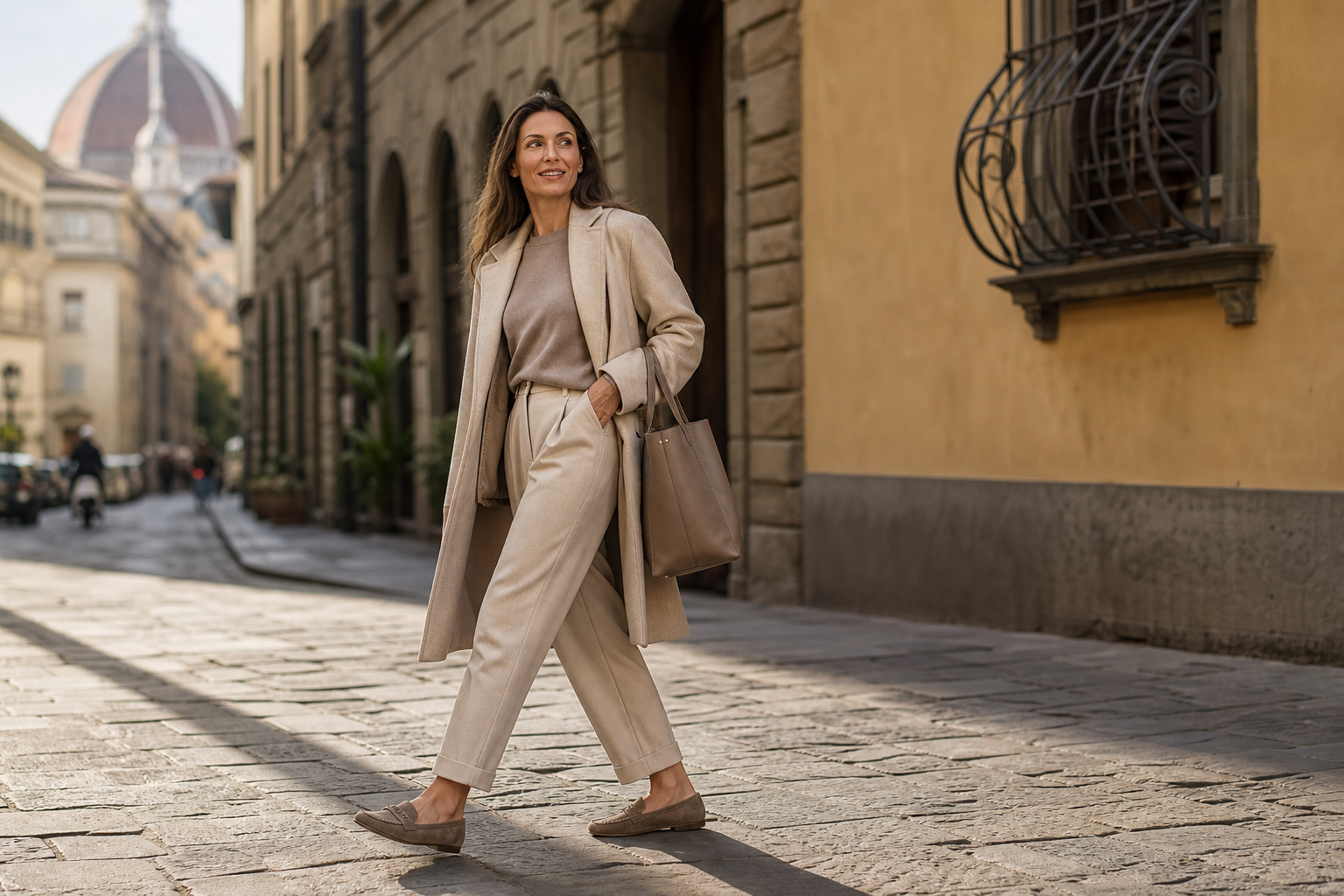
What defines an Italian luxury fashion house known for designer shoes?
Authentic Italian footwear houses prioritize structural innovation. They value regional manufacturing over transient trends. These brands maintain a distinct identity through signature silhouettes that survive shifting market demands, ensuring their value lies in technical heritage rather than logo recognition alone.
Heritage vs. Hype
Many luxury labels produce shoes. Few build reputations on them. A true footwear specialist treats the shoe as an architectural object requiring decades of refinement. Salvatore Ferragamo exemplifies this dedication. He founded his luxury footwear company in 1927 in Florence, establishing a precedent for anatomical precision that creates resilience. Buyers in the United States often seek pieces with proven longevity. A brand surviving economic cycles offers better investment potential. The distinction matters because hype fades while fit remains. Ferragamo earned the title “Shoemaker to the Stars” by solving comfort issues for Hollywood elites. This legacy supports resale value. It proves the product serves a function beyond aesthetics. General luxury brands may prioritize handbags or ready-to-wear. Footwear specialists focus on the last, the heel, and the sole. This singular focus drives technical advancement. It separates serious shoemakers from accessory marketers.
The Geography of Italian Shoemaking
Location dictates quality. Florence and the Marche region serve as critical hubs for leather working. These areas possess specialized skills passed down through generations. Proximity to tanneries ensures material superiority. A brand rooted in these centers benefits from local expertise. The supply chain is short and transparent. This geographic concentration allows for rigorous quality control. Brands outside these hubs often lack the same technical infrastructure. The environment fosters competition and collaboration among artisans. It creates a standard that is difficult to replicate elsewhere. Understanding this geography helps buyers identify authentic quality. It explains why certain names endure while others disappear. The land itself contributes to the product’s character.
How did Salvatore Ferragamo become the architect of modern footwear?
Salvatore Ferragamo redefined footwear by prioritizing anatomical structure over rigid tradition. He combined engineering precision with artistic vision to create shoes that supported the foot while enhancing its line. This approach established a legacy where comfort and elegance coexist without compromise.
The brand’s origins trace back to 1927 in Florence, where Ferragamo opened his workshop after returning from the United States. His early work focused on solving the pain points of high heels. He studied anatomy at the University of Southern California to understand weight distribution. This scientific method led to the invention of the steel shank, which provided arch support without bulk. During World War II, material shortages forced further innovation. Ferragamo turned to non-traditional resources like cork and raffia. These constraints birthed the wedge heel, a design that remains relevant nearly a century later. The use of cork allowed for lightweight soles that molded to the wearer’s foot.
The Hollywood Era
Ferragamo’s reputation grew through film industry connections. He earned the title Shoemaker to the Stars by creating custom pieces for leading actresses. His clientele included Marilyn Monroe and Audrey Hepburn. This association elevated the brand from a local workshop to an international symbol of glamour. The visibility of his designs on screen validated his technical innovations. Women saw that stylish shoes could also be wearable. This period cemented the brand’s identity as a provider of luxury that serves the wearer’s needs.
Iconic Silhouettes to Know
The Vara pump remains the house’s most recognizable silhouette. Introduced in 1957 as an icon, it features a low block heel and a signature bow. The design reflects Ferragamo’s belief in understated elegance. It avoids excessive ornamentation in favor of clean lines and balanced proportions. Today, Creative Director Maximilian Davis respects this heritage while introducing modern materials. The current collections maintain the structural integrity Ferragamo established. They appeal to buyers who value history alongside contemporary style. The brand continues to prioritize fit, ensuring that each pair supports the foot as effectively as it adorns it. This consistency explains why vintage Ferragamo shoes retain their value and relevance.
Why is Gucci a dominant force in luxury footwear beyond handbags?
Gucci holds firm ground in the footwear sector. The house views shoes as cultural objects, not simple add-ons. It mixes classic shapes with current tastes to stay relevant for American shoppers across generations. This balance lets the brand lead in both formal and casual spaces without losing prestige.
The Horsebit Legacy
Guccio Gucci built the house on leather goods, moving beyond just luggage. Guccio Gucci founded the house in Florence in 1921, drawing inspiration from his time working at London’s Savoy Hotel. He knew luxury needed both utility and beauty. That idea led to the Horsebit Loafer. Introduced in the early 1950s, this slip-on style became an instant classic. It offered a refined alternative to the stiff formal wear of the era. The metal bit detail referenced equestrian gear, tying the shoe to a life of leisure and status. Today, the loafer stays a staple in professional wardrobes. It connects boardroom formality with weekend ease. The lasting design shows that functional style beats short-lived fads. US buyers like this flexibility, since the shoe works with tailored trousers or denim.
From Logomania to Quiet Luxury
Creative changes have strengthened Gucci’s shoe leadership. Alessandro Michele pushed maximalism, making the Ace sneaker and ornate styles popular. This phase drew in younger buyers who wanted bold looks. Then, Sabato De Sarno as creative director in 2023 shifted the focus to understated elegance. De Sarno removes clutter, highlighting clean lines and fine materials. This basic approach fits the rising interest in quiet luxury. Shoppers now want items that show quality without loud logos. Gucci adapts its look while keeping its core identity, which keeps it relevant. The shoe collection now mixes heritage icons with modern classics. This plan guards the brand’s long-term worth. It attracts collectors who see shoes as investments. The move also mirrors wider industry trends where durability and timeless design matter more than seasonal novelty. Footwear remains a key driver of Gucci’s success.
What makes Giuseppe Zanotti the choice for red-carpet statement shoes?
Giuseppe Zanotti stands out with bold, architectural shapes. Visual impact matters more than traditional heritage here. This style attracts those who view shoes as wearable art, not just accessories. The brand’s quick rise in contemporary luxury comes from this clear aesthetic.
Sculptural Design Language
The designer launched his label in 1994. This step moved Italian footwear toward modern expression. Zanotti does not rely on centuries of tradition like other houses. He focuses on immediate visual power. His designs often include sculptural, jeweled heels that break standard proportions. This philosophy treats the shoe as a structure, mixing engineering with decoration.
Born in San Mauro Pascoli, the founder brought regional skill to Milan’s fashion scene. He opened his first boutique in Milan in 2000, securing his place among top designers. The Colibri sandal and geometric stilettos show this direction. They use metal accents and sharp lines to create danger and elegance. This differs from the soft leather of Tod’s or the historical nods of Gucci. The result is a line that grabs attention without logo monograms.
Celebrity Endorsement Impact
Visibility drives demand in this segment. Zanotti’s distribution now spans 75 countries, ensuring global access for high-profile clients. Red-carpet appearances serve as the primary marketing channel. When a celebrity wears a pair of metallic boots or crystal-encrusted pumps, the image circulates instantly across digital media. This exposure validates the high price point and reinforces the brand’s position as a choice for special occasions. The strategy bypasses traditional advertising in favor of organic placement on influential figures. It creates an association between the wearer’s status and the shoe’s design. For the US buyer, this means recognizing the silhouette as a signal of contemporary taste. The brand does not rely on century-old archives. It builds its reputation through current cultural relevance and striking visual forms. This makes it a preferred option for events where standing out is the objective.
How does Tod’s define casual luxury through the Driving Shoe?
Tod’s establishes its reputation by prioritizing functional leather quality. It favors this over ornate decoration. The brand centers its identity on the Gommino, a shoe that balances professional status with everyday comfort. This approach appeals to buyers who value durability and understated elegance in their daily rotation.
The Gommino Icon
The defining element of the Tod’s aesthetic is the rubber pebble sole. These small studs provide grip and flexibility, transforming a standard loafer into a tool for modern mobility. The company invented the Gommino Driving Shoe in the 1980s, creating a silhouette that remains relevant decades later. This design choice reflects a commitment to utility. Designed for driving, the shoe moved easily into offices and casual spots. The lack of rigid structure allows the leather to mold to the foot over time. This break-in period creates a personalized fit that mass-produced footwear cannot replicate. The visual language is quiet. There are no loud logos or excessive hardware. The focus remains on the texture of the suede or pebbled leather. This restraint signals confidence rather than a need for attention.
Comfort Meets Status
Professionals in the United States often seek footwear that does not compromise on appearance. Tod’s answers this need by merging high-end materials with practical design. The soft leathers require specific care to maintain their finish. Suede variants need regular brushing to prevent matting, while smooth leathers benefit from conditioning to avoid cracking. These maintenance steps ensure the shoe retains its shape and luster. The brand has expanded into ready-to-wear collections, yet footwear remains the core pillar. This focus ensures that every product line adheres to the same standards of construction. The result is a wardrobe staple that works across seasons. It suits both formal offices and weekend travel. The investment lies in the longevity of the piece. A well-cared-for pair lasts for years, outlasting trend-driven alternatives. This durability justifies the price point for many consumers. The shoe becomes a reliable constant in a changing fashion landscape.
Why did Valentino Garavani’s Rockstud change the accessory landscape?
Valentino redefined modern luxury footwear by merging punk aggression with high-fashion refinement. The Rockstud collection transformed a simple pyramid stud into a global status symbol that persists in wardrobes today. This design shift proved that edgy aesthetics could coexist with traditional Italian elegance.
Punk Meets Couture
The collection emerged during a pivotal era for the brand. Designers Maria Grazia Chiuri and Pierpaolo Piccioli launched the line in 2010, introducing a bold visual language to the house. They fused delicate leatherwork with metallic hardware, creating a tension between softness and strength. This approach resonated with shoppers seeking distinction from the logo-heavy trends of the time. The shoes offered an immediate identity marker without relying on monograms. Critics noted the juxtaposition of romantic silhouettes with industrial elements. It was a calculated risk that paid off through widespread adoption. The style moved beyond niche appeal to become a staple in luxury retail.
Investment Value of Rockstuds
Commercial success followed the critical acclaim. The motif expanded rapidly from heels to handbags, belts, and ready-to-wear pieces. This versatility cemented its place in the accessory hierarchy. Unlike fleeting trends, the Rockstud has maintained relevance for over a decade. Its longevity speaks to the strength of the initial concept. Buyers view these pieces as reliable holdings within their collections. The design withstands seasonal shifts because it relies on form rather than color or print. Resale markets continue to show demand for well-maintained pairs. This endurance validates the strategic vision behind the launch. The brand successfully created a signature element that defines its contemporary era. Shoppers recognize the studs instantly, ensuring the item retains cultural capital. The fusion of attitude and craftsmanship remains the core appeal.
Which emerging Italian brands challenge the established giants?
Niche labels offer distinct silhouettes for shoppers seeking alternatives to mass-market luxury. These houses prioritize architectural design over broad commercial appeal. Their limited production runs ensure a level of rarity that larger conglomerates cannot match.
Casadei and Sergio Rossi
Casadei maintains a reputation for bold, structural forms. The label is known for its razor-sharp Blade heels, which create a striking visual line. This specific focus on evening wear and high-impact shapes distinguishes it from heritage brands that balance footwear with ready-to-wear collections. Sergio Rossi similarly commands respect through technical precision in leatherwork. Both brands operate with lower volumes than the industry titans. This scarcity supports their positioning as specialist choices rather than ubiquitous staples.
Niche Appeal
These designers avoid the dilution that often accompanies global expansion. They do not rely on logo-heavy accessories to drive revenue. Instead, they depend on the integrity of the shoe itself. Prices often align with top-tier houses, reflecting the cost of specialized labor. Distribution in the United States remains selective. You will find these pieces in high-end department stores or dedicated boutiques rather than every mall. This controlled availability protects the brand equity. For the buyer, it means a lower chance of seeing an identical pair at a social event. The investment is in distinction. It suits the wearer who values design purity over immediate brand recognition. These labels prove that Italian footwear innovation extends beyond the most famous names. They offer a path for those who view shoes as sculptural objects.
How should US buyers authenticate and care for Italian designer shoes?
Authenticity verification preserves structural integrity. Disciplined maintenance protects resale value. Buyers must source items from authorized channels and adhere to strict leather care protocols to prevent premature degradation.
Authentication Checks
Counterfeit markets target popular silhouettes. Provenance is critical for any serious collector. Purchase directly from brand boutiques or verified department stores to ensure legitimacy. Inspect the interior serial number, which should match the authenticity card and box label. Dust bags for major houses often feature specific stitching patterns or logos that fakes miss. Box quality matters too; authentic packaging uses rigid cardboard with crisp printing. Be wary of prices that seem too low, especially for heritage brands. Gucci operates 635 stores worldwide, providing a vast but controlled distribution network that limits unauthorized stock. This scale helps maintain consistent quality control across regions.
Maintenance Protocols
Italian leathers require breathing room. Protect them from moisture. Insert cedar shoe trees immediately after wear to absorb sweat and maintain shape. This step prevents the upper from collapsing or creasing deeply. Suede demands a soft brush to lift the nap and remove surface dirt. Apply a waterproofing spray designed specifically for suede before the first wear. Store shoes in a cool, dry place away from direct sunlight. Humid climates in parts of the United States can encourage mold growth on organic materials. Professional resoling extends the life of leather-soled shoes significantly. Do not attempt DIY repairs on complex constructions. Giuseppe Zanotti distributes products in 75 countries, ensuring global access to care standards and replacement parts. Regular conditioning keeps calfskin supple and prevents cracking along the flex points.
Frequently Asked Questions
Which Italian shoe brand is the most expensive?
Among Italian luxury footwear houses, René Caovilla and Gianvito Rossi produce some of the most expensive shoes, often exceeding $2,000 per pair. However, for ready-to-wear collections, Salvatore Ferragamo and Gucci also reach high price points, with custom or limited-edition styles costing significantly more. The most expensive Italian shoe brand depends on the specific collection; for example, Ferragamo’s museum-worthy archival pieces or Gucci’s horsebit loafers in exotic skins can command premium prices. Ultimately, no single brand consistently holds the title, as pricing varies by materials, craftsmanship, and exclusivity.
Are Giuseppe Zanotti shoes comfortable for all-day wear?
Giuseppe Zanotti shoes prioritize style over extended comfort. While many designs feature cushioned insoles and quality construction, their high heels and pointed toes can cause discomfort during prolonged wear. For all-day use, opt for lower block heels or flats from the brand. If you need to stand or walk for hours, consider brands like Salvatore Ferragamo, which historically focuses on anatomical support and arch comfort. Zanotti shoes are best reserved for events where you sit more than stand.
What is the difference between Salvatore Ferragamo and Ferragamo branding?
Salvatore Ferragamo is the full name of the founder and the official brand name, often used for the luxury house’s footwear and leather goods. Ferragamo is a shortened, informal reference to the same brand. In retail and legal contexts, the full name appears on products and official documents. The distinction is stylistic, not legal or product-based. Both refer to the same Italian luxury house founded in 1927 in Florence. When shopping, look for ‘Salvatore Ferragamo’ on labels to confirm authenticity.
Do Italian luxury shoes run true to size for US customers?
Italian luxury shoes often run slightly small or narrow compared to US sizing. Many brands, including Salvatore Ferragamo and Gucci, use European lasts that fit a more tapered foot. US customers with wider feet may need to size up half a size or choose a wide width if available. Ferragamo’s classic Vara pump, for example, is known to fit snugly. Always check the brand’s specific size chart and read reviews. When in doubt, order from a retailer with free returns to try multiple sizes.
Where can I buy authentic Italian designer shoes in the United States?
Authentic Italian designer shoes are available at department stores like Neiman Marcus, Saks Fifth Avenue, and Nordstrom, as well as brand-owned boutiques in major cities (e.g., Ferragamo on Fifth Avenue, Gucci on Rodeo Drive). Online, shop directly from the brand’s official US website or trusted retailers such as Mytheresa, Farfetch, and Net-a-Porter. Avoid third-party marketplaces like eBay or Poshmark unless the seller is verified and the item is authenticated. Always check for original packaging and a certificate of authenticity.
Is it worth investing in vintage Italian footwear?
Yes, vintage Italian footwear from heritage houses like Salvatore Ferragamo, Gucci, or Prada can be a worthwhile investment. These shoes were crafted with superior materials and construction methods that often outlast modern mass-produced luxury. Ferragamo’s vintage Vara pumps, for instance, retain their shape and value due to the steel shank and cork wedge innovations. However, condition matters: look for intact soles, minimal wear, and original boxes. Vintage pieces also offer unique designs not found in current collections. For collectors, they can appreciate over time, but for everyday wear, ensure the fit is comfortable and the leather is not brittle.
How do I clean suede Italian designer shoes?
To clean suede Italian designer shoes, start by brushing off dry dirt with a soft suede brush. For stains, use a suede eraser or a white vinegar-dampened cloth—test on a hidden area first. Never soak suede; blot spills immediately. After cleaning, restore the nap with a suede brush. For deep cleaning, take them to a professional who specializes in luxury footwear. Avoid water-based cleaners, as they can cause watermarks. Regular maintenance with a suede protector spray helps prevent future stains.