What defines the core difference between quiet luxury and fast fashion?
The distinction lies in philosophy. It is not merely about price. Quiet luxury prioritizes enduring craftsmanship and timeless staples. Fast fashion chases speed. It replicates trends at low cost. One builds a legacy wardrobe. The other satisfies an immediate urge.
The philosophy of understated elegance
Quiet luxury rejects visible branding. It favors material integrity instead. This aesthetic roots itself in understated colors and high-end craftsmanship rather than flashy logos. Patience is required from the consumer. Brands like The Row exemplify this discipline. Ashley and Mary-Kate Olsen established the label. They focus on exceptional fabrics and precise tailoring to create simplistic shapes. These shapes speak to discretion. Loro Piana operates with similar intent. The Italian house is a major cashmere purveyor. It produces 14.8 million feet of fabric annually. Rare raw materials matter more than mass appeal. Longevity is the goal. A garment must remain appropriate years after purchase. It should not just suit the current season.
The mechanics of rapid trend cycles
Fast fashion functions on volume. Velocity drives the model. It is defined as inexpensive clothing that is mass produced quickly to mirror runway hits. Retailers like Zara and Shein dominate this space. Their models rely on new collections appearing almost weekly. This encourages constant consumption. The system creates a cycle of disposability. Items are designed for visibility. Immediate gratification matters, not durability. The contrast is stark. Quiet luxury asks if a piece will last. Fast fashion asks if it sells now. Many shoppers move between these spheres. They purchase from both quiet luxury and fast fashion to meet differing needs. They might invest in a heritage coat. Then they buy a trendy top for a single event. Understanding this dichotomy helps build a balanced wardrobe. Value meets variety. The key is intent. Know why you are buying. Is it for the moment? Or for the decade?
How do initial price and long-term value compare?
The sticker price tells only part of the story. Quiet luxury demands a higher upfront investment. Yet its durability often lowers the true cost over time. Fast fashion offers immediate affordability. Frequent replacement drives up the long-term expense. Evaluating these models requires shifting focus. Look beyond the register total. Consider the lifespan of the garment.
Understanding Cost Per Wear (CPW)
Cost Per Wear (CPW) divides purchase price by uses. A $50 blouse worn twice costs $25 per use. A $500 coat worn 100 times costs $5 per use. This metric reveals why cheap items can be expensive. Fast fashion pieces suffer from rapid degradation. Style obsolescence limits their utility. The model relies on speed. New collections appear almost weekly, encouraging constant turnover rather than sustained use. Quiet luxury prioritizes longevity in contrast. Consumers increasingly recognize that quality of materials is most important when making clothing purchases. This directly impacts how long a piece remains wearable. Natural fibers like cashmere maintain structure far longer. Wool does the same. Synthetic blends degrade faster. This endurance allows the owner to amortize the initial cost. The result is a lower CPW for high-end staples. Disposable counterparts cannot match this efficiency.
Resale value and asset retention
Designer pieces often retain significant value. The secondary market respects brands like Loro Piana. Heritage and material standards command respect. The company has been a major purveyor of cashmere for decades. It produces millions of feet of fabric annually. Consistent quality ensures desirability for future buyers. A vintage Loro Piana sweater may sell for a substantial fraction of its original price. Fast fashion items rarely hold resale value. Their construction does not support long-term wear. Secondhand shoppers find them unattractive. The Row exemplifies this retention power. It focuses on impeccable details and precise tailoring. Such garments function as assets rather than expenses. They can be sold or passed down. This further reduces their effective cost. This financial dynamic supports investing in fewer pieces. It aligns spending with sustainability and prudence. The initial outlay is higher. But the return on investment is clearer. Shoppers who prioritize CPW build wardrobes that serve them financially. They also serve aesthetically.
Which materials ensure durability and comfort?
Natural fibers provide superior longevity. They offer better breathability than synthetic blends. Quiet luxury relies on materials like cashmere. These age well. Fast fashion often uses polyester. It degrades quickly. This material choice dictates the garment’s lifespan. It also determines its environmental footprint.
Natural fibers versus synthetic blends
The tactile experience begins with fiber content. Quiet luxury brands prioritize natural materials. Virgin wool, silk, and high-grade cotton are common. These fibers allow air to circulate. They regulate body temperature and reduce moisture buildup. They also resist pilling better than many synthetics. Proper care is essential. Loro Piana exemplifies this approach by sourcing the very finest raw materials. This includes rare cashmere from northern China and Mongolia. Dedication to raw material quality ensures fabric maintains structure. Softness persists over years of wear.
Fast fashion operates under different constraints. Speed and low cost drive material selection. Polyester, acrylic, and blended synthetics see heavy use. These fabrics are inexpensive to produce. They lack the resilience of natural fibers. They often trap heat. A shiny appearance develops after repeated washing. Synthetic blends may feel smooth initially. They rarely offer the same depth of texture. Comfort is compromised. The rapid production cycle means these garments are not designed for long-term use. This accelerates their path to landfills. They lose shape and appeal within a single season.
Signs of quality in fabric construction
Construction determines durability beyond fiber type. High-quality garments feature tight weaves. Consistent stitching prevents unraveling. Natural fibers like wool and cotton can be woven into dense structures. These hold their shape without stiffening. In contrast, synthetic fabrics often rely on chemical treatments. These mimic the drape of better materials. Treatments wash out. The garment becomes limp or distorted.
Consumers increasingly recognize the value of material quality. A significant portion of shoppers now cite high-quality materials as the defining trait of quiet luxury. This shift reflects a broader understanding. Fabric choice impacts personal comfort and garment longevity. Investing in pieces made from natural fibers reduces frequent replacements. It also aligns with a more sustainable approach to dressing. Natural fibers biodegrade more readily than plastics. The difference is visible in how the cloth moves. Quality materials offer a subtle weight. Synthetics struggle to replicate this drape against the skin.
What is the environmental impact of each model?
Fast fashion generates significant waste. Rapid production cycles and disposable materials are the cause. Quiet luxury reduces this burden. It prioritizes durability and lower volume output. The contrast lies in lifecycle management. Material sourcing is only part of the equation.
Textile waste and landfill contributions
The fast fashion model relies on speed. Volume is key. Brands like Zara and Shein release new collections weekly. They match transient trends. This pace encourages a throwaway culture. Garments are discarded after minimal use. The resulting textile waste fills landfills at an alarming rate. Synthetic fibers common in these items do not biodegrade easily. They shed microplastics during washing. Water systems suffer further pollution. Quiet luxury operates on a slower timeline in contrast. Production volumes remain low to maintain quality control. This approach inherently limits waste generated per season. Consumers purchasing from these brands often buy fewer items. They seek pieces that last for years. This shift in buying behavior reduces strain on waste management infrastructure. Regulatory bodies in Europe and the United States are beginning to address this imbalance. New laws aim to hold producers accountable. Textile end-of-life management is the focus. These measures favor business models that prioritize longevity.
The role of longevity in sustainability
Longevity serves as a critical pillar of sustainability. A garment worn for ten years has a lower annual environmental cost. One replaced annually costs more to the planet. Quiet luxury brands focus on timeless design. Durable construction is the norm. They avoid the planned obsolescence seen in trend-driven retail. However, high price tags do not guarantee ethical practices. Luxury brands must still manage supply chains responsibly. Sourcing rare materials like cashmere requires careful oversight. Ecological damage must be prevented. Loro Piana sources unique cashmere from northern China and Mongolia. This highlights the global reach of material procurement. Such sourcing demands transparency. Environmental standards must be met. Fast fashion struggles with this level of traceability. Its supply networks are complex and fragmented. The quiet luxury consumer often values high-quality materials as a marker of status and responsibility. This mindset supports a market where durability is prized. By investing in fewer, better items, shoppers reduce their carbon footprint. The industry must continue to evolve toward circular models. Repair services extend product lifecycles. Resale markets do the same. This strategic approach aligns financial investment with environmental stewardship.
How do trends influence styling versatility?
Quiet luxury prioritizes longevity over novelty. Its pieces remain relevant regardless of seasonal shifts. They avoid bold logos or rapidly changing trends. Fast fashion relies on immediate relevance. It demands constant updates to maintain visual interest. A cycle of perpetual consumption results.
Building a capsule wardrobe
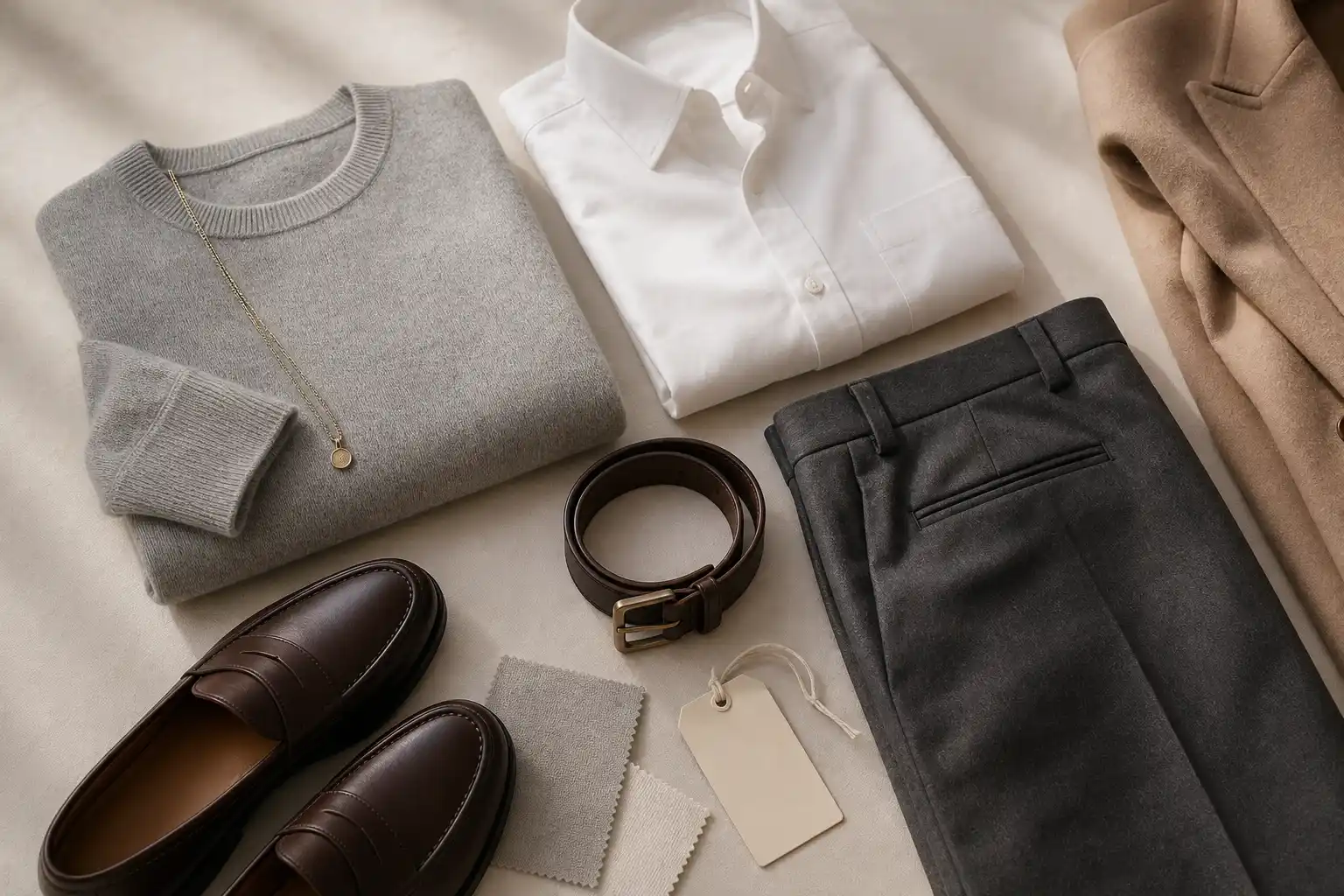
A versatile wardrobe depends on interoperable items. Quiet luxury supports this structure through consistent silhouettes. Neutral palettes are standard. The approach asks whether a piece will feel appropriate years from now. It does not ask whether it is fashionable today. This mindset reduces decision fatigue. It allows for a smaller collection of high-quality garments. These serve multiple functions.
Brands like The Row exemplify this discipline. Their collections explore the strength of simplistic shapes. These speak to discretion and are based on uncompromising quality. Such pieces act as anchors. They provide a stable foundation for daily dressing. A well-cut wool coat does not compete with other items. A silk blouse enhances them. This stability is the core benefit of investing in timeless design. The garment serves the wearer. It does not serve the trend cycle.
Experimenting with transient trends
Fast fashion serves a different purpose. It offers access to current styles at low cost. This model is built around speed. New collections appear almost weekly. Marketing pushes constant adaptation to shifting aesthetics. These items are suitable for short-term experimentation. A colorful top can refresh an existing outfit. A novel accessory works too. No major investment is required.
The risk lies in dependency. Relying on these transient pieces for core styling leads to clutter. The items often lack structural integrity. They do not last beyond a single season. Use them sparingly. Treat them as temporary accents rather than foundational elements. This strategy allows for creative expression. It maintains a coherent, long-term aesthetic. The contrast between the two approaches highlights their distinct roles. One builds permanence. The other provides variety.
When should you choose fast fashion over quiet luxury?
Fast fashion serves a practical role. It handles transient needs and experimental styling. It allows shoppers to test trends. Temporary body changes can be accommodated without the financial commitment of heritage brands. This approach works best as a tactical supplement. It supports a core wardrobe of enduring pieces.
Strategic mixing of price points
A full wardrobe of investment pieces is not always feasible. Budget constraints often require a hybrid model. Consumers frequently purchase from both segments. They meet differing desires and occasions differing fashion needs. Use high-volume retailers for items with short lifespans. Tops fit this category. Seasonal prints and trend-driven accessories do too. These pieces do not need to last decades. Save your budget for structural items. Coats, handbags, and shoes benefit from superior construction. This selective spending maximizes value where it matters most. It also reduces waste from discarded trendy items.
Occasion-based purchasing decisions
Specific events dictate the utility of lower-cost clothing. A one-time gala does not justify a heavy investment. A themed party is similar. Fast fashion provides variety for these singular moments. Brands like Zara and Shein cater to this immediate visibility catering to the moment. Rapid production cycles mean new styles appear weekly. This speed helps you stay current. There is no long-term debt to a look. Mindful consumption remains essential even at lower price points. Buy only what you will wear. Discard the idea that every item must be an heirloom. Some garments are tools for a specific time. Recognize the difference between a foundation piece and a temporary solution. This clarity prevents clutter. It ensures your spending aligns with actual use.
How can you identify true quality in designer pieces?
True quality reveals itself through construction details. Surviving close inspection is key. Look for precise tailoring. Seek superior materials. Do not rely on brand recognition alone. These physical markers separate lasting investments from temporary trends.
Stitching and construction details
Examine the seams for consistency. Check for density. Loose threads indicate rushed production. Uneven spacing does too. High-end garments feature tight, uniform stitching. This holds its shape over time. The Row builds its reputation on impeccable details and precise tailoring. This defines the brand’s aesthetic. This level of finish ensures the garment maintains structure. Check the interior as well. A fully lined jacket suggests a commitment to comfort. A lined dress does the same. The lining should lie flat without puckering. Natural fibers like wool or silk in the lining provide breathability. Synthetic blends cannot match this.
Hardware and finishing touches
Heavy, solid hardware often signals better quality. Lightweight, hollow alternatives are inferior. Zippers should glide smoothly. They must not catch the fabric. Buttons should be securely attached. Shanks allow for movement. Verify the fabric composition label for natural fiber content. Loro Piana sources rarest raw materials such as unique cashmere. This ensures superior texture and longevity. Touch the material. It should feel substantial and soft. It should not be scratchy or thin. Brands with transparent manufacturing processes often disclose sourcing origins. This openness allows you to verify authenticity. Avoid pieces with glued hems. Fused interfacings may bubble after cleaning. True luxury relies on traditional construction methods. Endurance is prioritized over speed.
Which approach best suits your personal style goals?
The most effective strategy blends both models. Use quiet luxury for foundational items. Use fast fashion for temporary trends. This hybrid method respects budget constraints. It maintains aesthetic integrity. Most shoppers in the United States already adopt this mixed approach. They meet differing needs as consumers are purchasing items. Intent matters more than price alone.
Invest in coats, bags, and shoes that offer longevity. These pieces anchor your wardrobe with understated elegance. Rotate trend-driven tops from quicker cycles. Accessories work too. This keeps your look fresh without significant financial risk. This balance allows you to participate in current styles. You preserve capital for high-quality staples. The goal is a closet that reflects your values. It should not just reflect impulse. By choosing quality for core items, you align with the desire for value. Sustainability matters too as shoppers seek to get the most value. Your wardrobe becomes a curated collection of purposeful choices. It serves your life rather than dictating it. This deliberate pacing ensures every purchase has a role. You avoid the clutter of discarded trends. The result is a cohesive personal style. It endures.
FAQ About Quiet Luxury and Fast Fashion
Explore common questions about quiet luxury and fast fashion, including clothing quality, cost per wear, sustainability, designer brands, and building a versatile wardrobe.
Is quiet luxury worth the higher price tag?
Yes, for many shoppers quiet luxury is worth the higher upfront cost because it delivers a lower cost per wear over time. A $500 coat worn 100 times costs $5 per use, while a $50 fast-fashion top worn twice costs $25 per use. Quiet luxury uses durable natural fibers like cashmere and wool that maintain structure for years. Brands such as Loro Piana and The Row also retain strong resale value; a vintage Loro Piana sweater can sell for a substantial fraction of its original price. This makes the initial investment an asset rather than an expense. If you prioritize longevity and timeless style, quiet luxury offers better financial and aesthetic returns than disposable alternatives.
Can fast fashion ever be considered sustainable?
No, fast fashion cannot be considered sustainable under current models. It relies on rapid production cycles, cheap synthetic materials, and disposability. Retailers like Zara and Shein release new collections almost weekly, encouraging constant consumption. Most fast-fashion items degrade quickly and end up in landfills. The industry is a major contributor to textile waste and carbon emissions. While some brands offer recycling programs or use recycled polyester, these efforts do not offset the core model of volume and velocity. True sustainability requires durability, repairability, and reduced consumption—values that conflict with fast fashion’s business strategy. For an eco-friendly wardrobe, invest in fewer, higher-quality pieces.
What are the best quiet luxury brands for beginners?
For beginners, start with brands that offer accessible entry points without sacrificing quality. The Row focuses on impeccable tailoring and understated shapes; its simple cashmere sweaters and trousers are wardrobe anchors. Loro Piana is a cashmere giant with a heritage of rare materials—try a classic scarf or a pair of wool trousers. Brunello Cucinelli offers soft, casual luxury with a relaxed fit. For more affordable options, consider Toteme or COS, which emphasize clean lines and natural fabrics. These brands avoid logos and prioritize material integrity. Begin with one versatile piece—like a neutral cashmere sweater—to experience the difference in feel and longevity before expanding.
How do I calculate the cost per wear of a garment?
Cost per wear (CPW) is simple: divide the purchase price by the number of times you wear the item. For example, a $500 coat worn 100 times costs $5 per wear. A $50 fast-fashion top worn twice costs $25 per wear. To get an accurate CPW, estimate how many times you realistically will use the garment over its lifetime. Consider the fabric quality, care requirements, and whether the style is timeless. Natural fibers like wool and cashmere typically last longer, lowering CPW. Track your usage for a few months to refine your estimates. This metric helps you identify which purchases offer real value and which are false bargains.
Does quiet luxury mean no logos at all?
Quiet luxury generally means minimal or no visible logos, but it does not forbid them entirely. The philosophy prioritizes material integrity, precise tailoring, and understated design over branding. Brands like The Row and Loro Piana often place labels discreetly inside garments. Some pieces may have a small, tonal logo that blends into the fabric. The goal is to let the quality speak for itself rather than broadcast a label. If a logo is present, it should be subtle and integrated into the design. The focus remains on craftsmanship and longevity, not on signaling status through overt branding.