
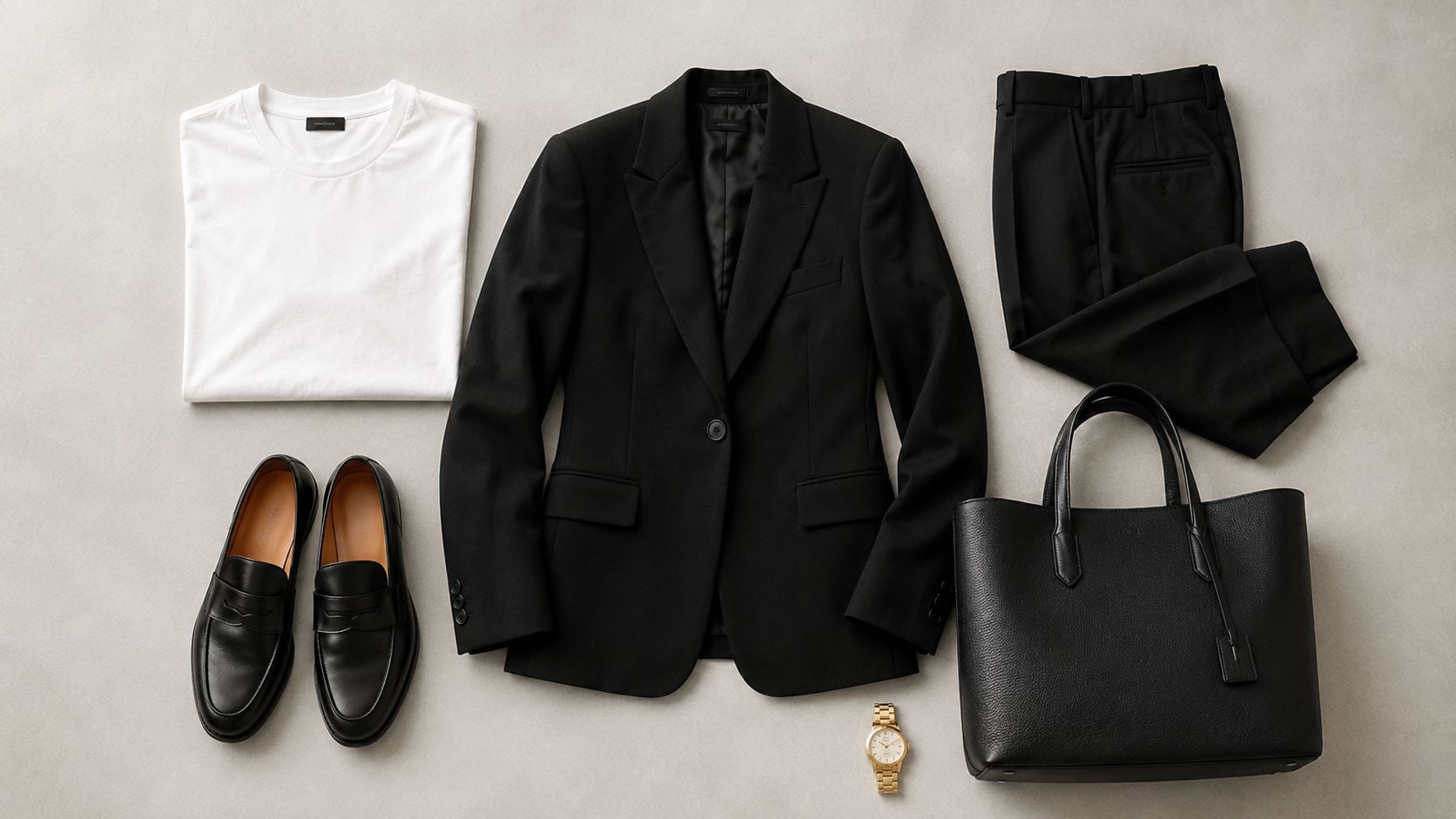
The popular advice about high-low dressing is too shallow. “Add one designer piece to basics” sounds neat, but it doesn't tell you how to keep the outfit coherent, how many textures to use, or why some expensive pieces look effortless while others look loud. The skill is not balancing price tags. It's making one strong anchor carry the look while the rest of the outfit stays disciplined.
Why Mixing High-End and Classic Pieces Is Not About Price
Price is the least interesting part of the equation. What matters is whether the expensive piece has enough cultural relevance, construction, and repeat use to function like wardrobe infrastructure instead of a one-off buy. The resale report treats resale value as the share of original retail value retained on the secondary market, and it classifies high-value items as resale prices at or above $1,000 in its 2021 Luxury Consignment Report (The RealReal Luxury Consignment Report). That matters because a classic designer blazer, bag, or coat is usually doing more than decorating an outfit, it is carrying the whole look.
Classic pieces hold the line because they stay visually useful longer than trend-led items. They keep showing up in real wardrobes, in real cities, because they still work with denim, tailoring, leather, and clean basics. In major luxury markets such as New York, London, Paris, Milan, Dubai, Hong Kong, and Seoul, the appeal is less about shouting a label and more about longevity, craftsmanship, and flexibility. That is the logic behind effortless high-low dressing. You are not matching prices, you are letting one or two enduring pieces do the work.
Practical rule: if the piece cannot anchor ten different outfits in your head, it is not an anchor, it is an impulse buy.
A simple cost-per-wear example makes the point even harder. A $600 designer blazer worn twice a week for three years can reach a cost of about $2.00 per wear. That is why the smartest outfits are built like systems. If you want a useful benchmark for this way of dressing, the editorial approach at theFeinheit follows the same logic, pieces are chosen to support confident everyday dressing rather than sit unused. For a perspective on how heritage brands like Ironheart and RRL fit into this mix, see this compare ironheart rrl stitch analysis.
High-low dressing works when you stop trying to make every item matter equally. It is a hierarchy, not a democracy. One strong piece leads. Everything else supports.
Why classic pieces behave differently
A classic designer item has to do less visual work to look right. It already carries familiarity, shape, and craftsmanship, so it can survive being paired with a plain tee or simple trousers. Trend-led pieces often need more context, more styling, more explanation. That is exactly why they become harder to wear.
The old habit of buying for the occasion is weak thinking. Buy for repeat use. Buy for the outfits you will reach for. Then let the outfit feel easy because the anchor is doing its job.
The 3:1 Ratio and the One-Anchor Rule
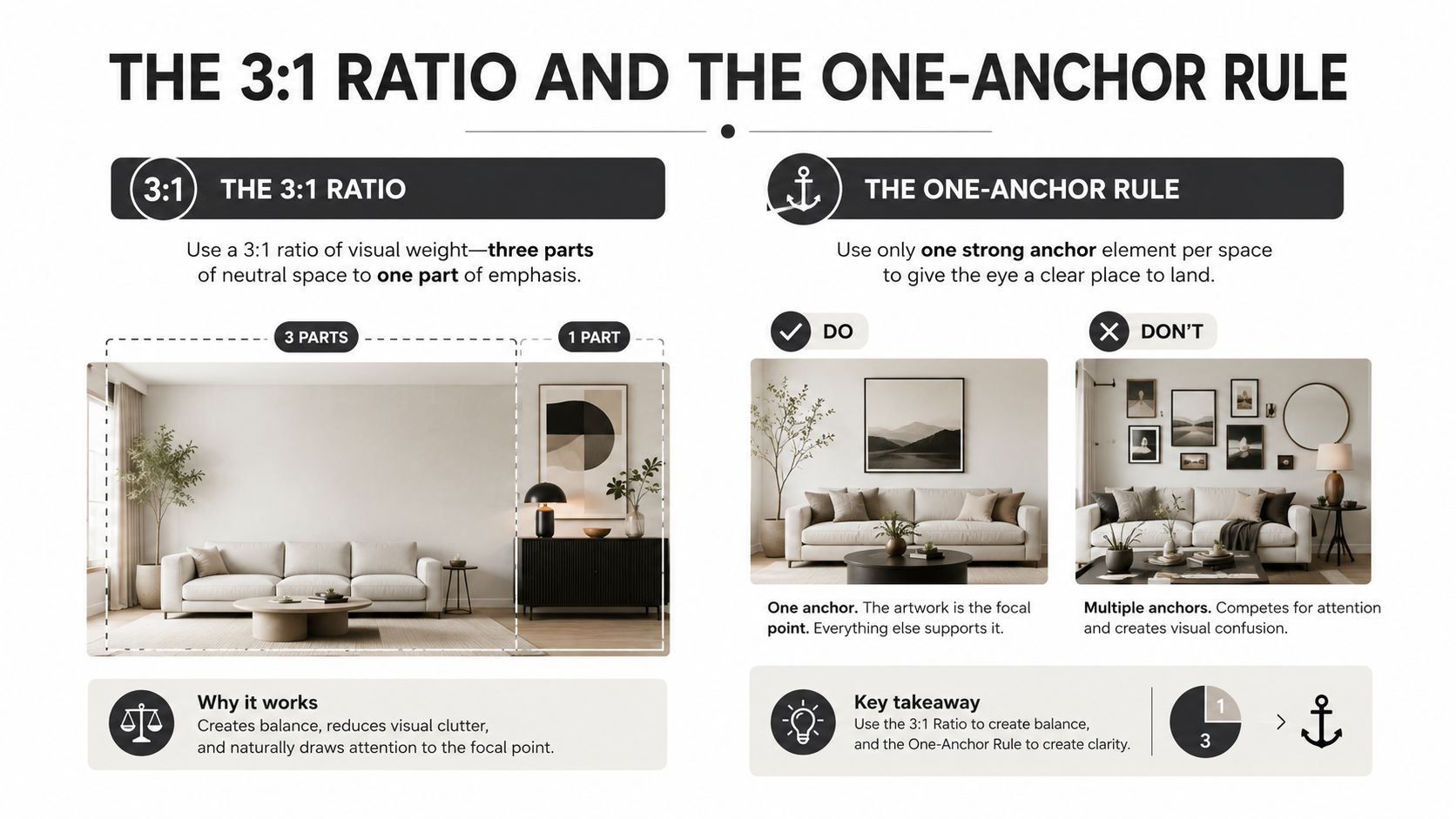
The cleanest high-low outfits usually follow a 3:1 ratio. Three quiet pieces, one investment piece. That formula works because it gives the luxury item room to read as the focal point instead of disappearing into visual noise. A black structured blazer, white tee, straight-leg trousers, and loafers is already a finished outfit. It doesn't need a second logo, a loud bag, or another statement shoe.
Start with the anchor, then strip the rest back
The anchor comes first because it sets the tone. That anchor might be a crisp blazer, a leather jacket, a structured bag, or premium shoes. Once that decision is made, the supporting pieces should become quieter, not more dramatic. The supporting job is to make the anchor look inevitable.
The most common mistake is overloading the outfit with multiple things trying to be the point. Multiple logos, competing statement pieces, and too many textures all fight for attention. The result is not richer. It's confused. A single anchor can only feel confident when the rest of the outfit accepts a supporting role.
Keep the outfit readable at a glance. If the eye has to sort out three focal points, the look has already failed.
Use 2 to 3 textures, not five
Texture is where a lot of people overreach. A strong outfit needs 2 to 3 distinct textures, not a whole mood board on one body. Pair rough surfaces like wool, tweed, or denim with smoother surfaces like silk, satin, or leather, and the look gets depth without losing control (The Feinheit mixing guide). More than that and the outfit starts to feel busy.
A good formula is simple. Choose one dominant luxury material, then support it with lower-cost pieces in calmer fabrics. Keep the silhouette clean. Keep the palette coherent. The luxury piece will read as stronger, not louder.
The point of the 3:1 ratio is discipline. It prevents the wardrobe from becoming a pile of statements pretending to be an outfit. One anchor, three quiet companions, and no extra drama.
Three Real Outfits Built Around One Anchor
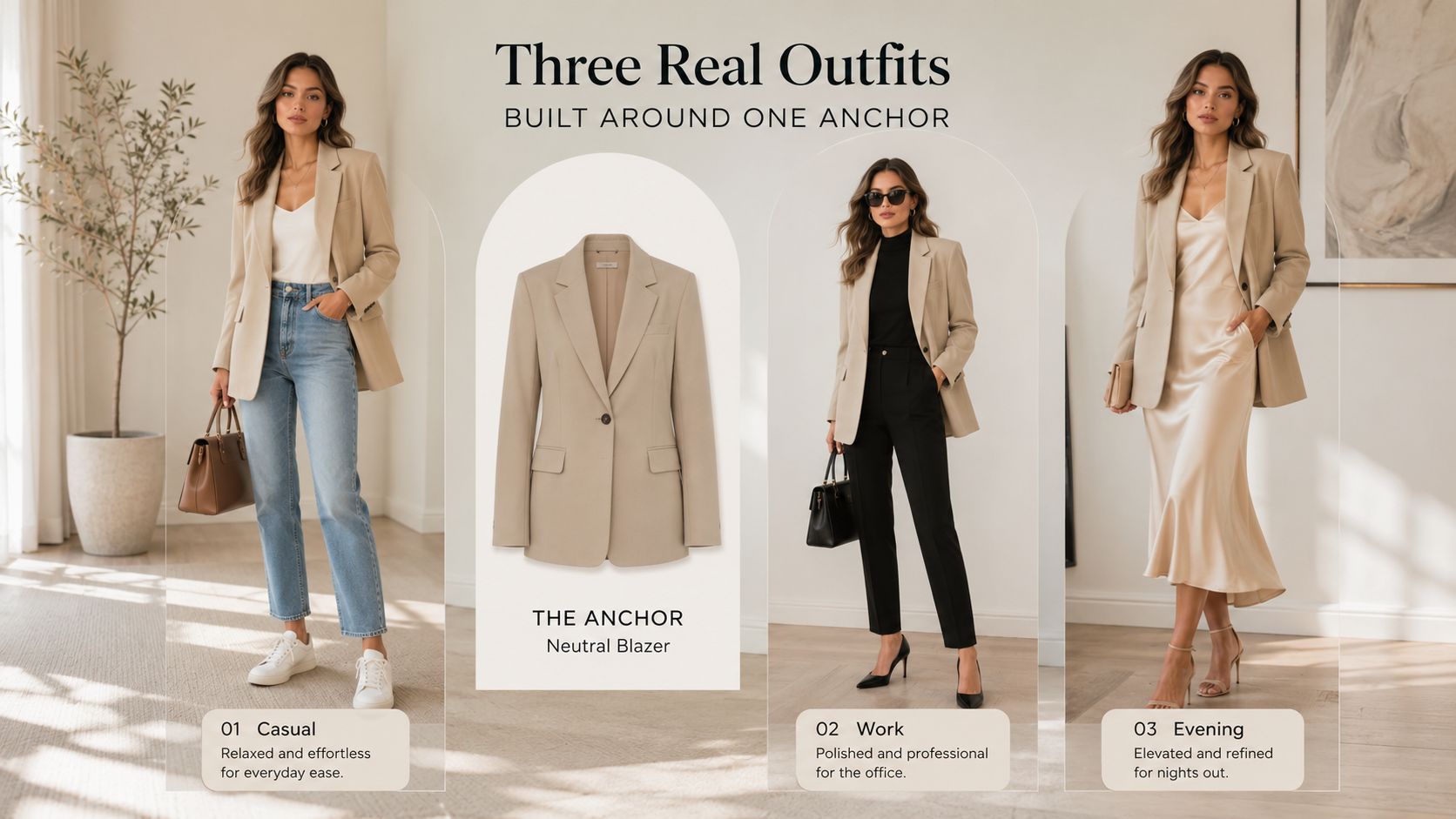
The method gets easier once you see it on real outfits. The anchor changes with the occasion, but the structure stays the same, one strong piece, three quieter pieces, and a palette that doesn't argue with itself.
The visual below shows how a neutral blazer can shift across settings without losing authority.
Weekday office look
Use a sharp blazer as the anchor. Add a white or ivory tee, straight-leg trousers, and simple loafers. The blazer gives the outfit authority, while the basic layers keep it from feeling precious. If the trousers are clean and the tee is well-fitting, the whole look reads intentional instead of overworked.
Weekend look
Use a structured leather bag or polished sneakers as the anchor. Then build around a knit top, relaxed jeans, and a clean outer layer like a trench or overshirt. This works because the bag or shoe does the refinement work while the rest of the outfit stays easy. Weekend dressing gets messy when people add too many “fun” items. Keep it calm.
Evening look
Use a fine coat or structured shoe as the anchor. Pair it with a monochrome dress, straight-leg trousers, or a simple knit set, then stop. Evening is where people tend to over-style, usually because they think they need more shine to look finished. They don't. A sharp coat or beautifully shaped shoe already creates enough presence.
The supporting pieces in every version should feel quiet and deliberate. That means fewer colors, fewer logos, and fewer competing materials. The anchor changes, but the formula doesn't. That consistency is what makes a wardrobe useful.
Color Balance That Makes Mixed Prices Disappear
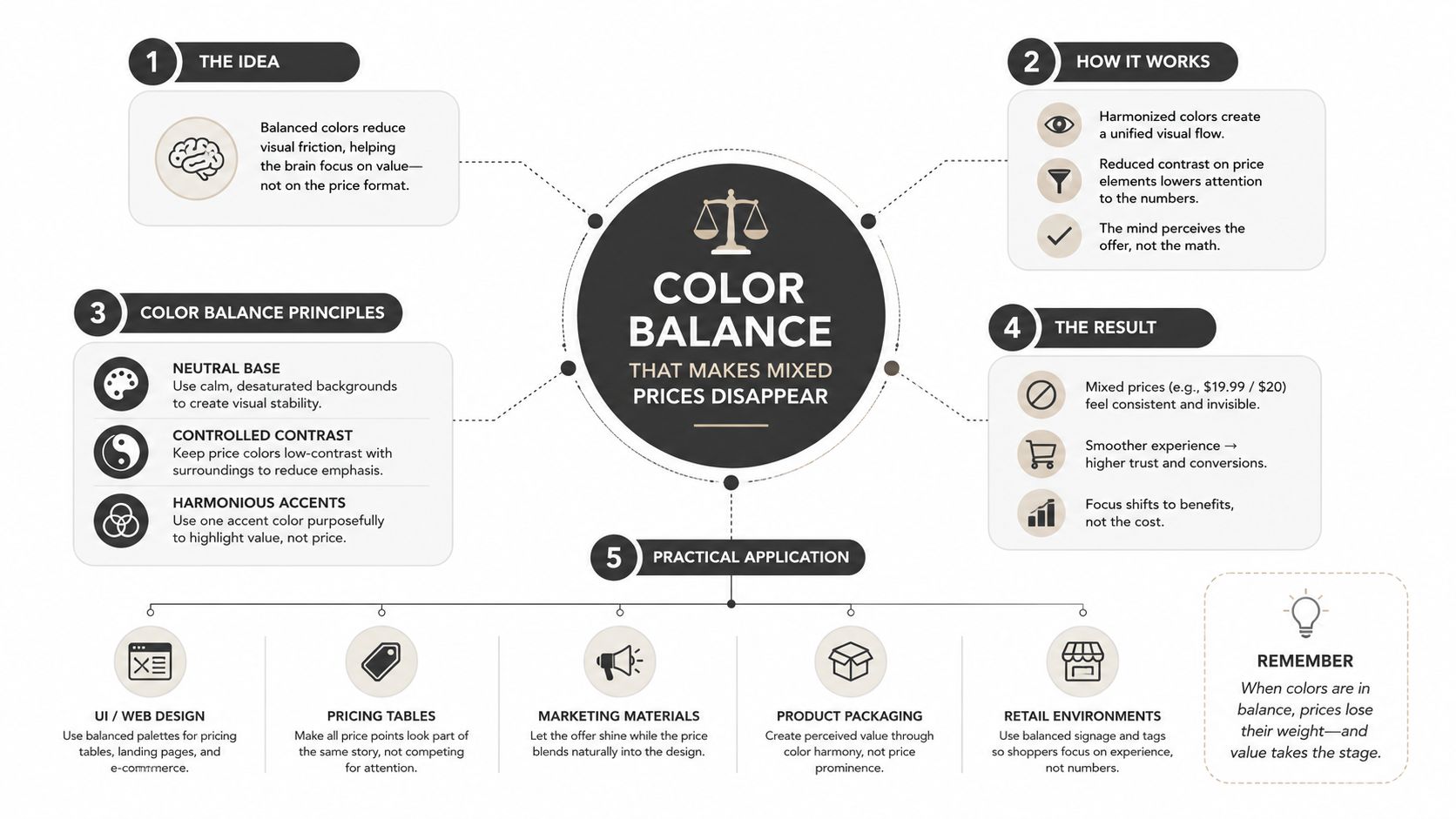
Mixed-price outfits look fragmented when the colors aren't doing their job. A designer blazer and a cheaper trouser can sit together easily if the palette feels coherent. They can also look like two separate purchases with no relationship if the colors fight. That's why color discipline matters more than one might think.
Follow a 60-30-10 balance
A clean outfit often works best when one dominant color covers 60 percent, a secondary tone covers 30 percent, and an accent takes the final 10 percent. That balance keeps the eye moving in a controlled way instead of bouncing around the outfit. If the colors are cohesive, the price points stop competing.
Neutrals are the safest foundation because they give expensive pieces room to breathe. Camel, navy, grey, white, black, olive, and khaki are doing a lot of heavy lifting in strong wardrobes. Tonal dressing in shades like camel or navy is especially effective because it makes mixed-price items read as part of the same system instead of unrelated buys.
A saturated accent only earns its place when the rest of the palette is already settled. If you add color before the outfit has structure, you don't make it richer. You make it louder. That's a common mistake when trying to “finish” a look.
For a practical cross-category example, even jewelry benefits from the same palette logic. If you want a separate reference for metal mixing, the gold and silver pairing guide is useful because it treats visual balance as the key issue, not the metal itself.
Clean palette rule: if the outfit already has three strong colors, don't add another luxury piece just to feel more dressed up.
Before adding a second designer item, check the palette first. If the colors already feel complete, stop there. More variety won't improve the outfit. It'll only make it harder to read.
Fit and Tailoring Checkpoints for Real Wardrobes
Fit is the line between intentional and random. A high-low outfit can survive a simpler tee or a cheaper trouser if the fit is clean. It usually collapses when one item pulls, sags, bunches, or sits in the wrong place on the body. The cheapest way to make an affordable piece read better is not a new label. It's a better fit.
What to check before you call an outfit finished
For a blazer, the shoulder line should be clean, the sleeve length should let the shirt show slightly or not at all depending on intent, and the button stance should sit where the jacket naturally closes without strain. For trousers, check the waist, rise, and break. If the leg pools or cuts the body in an odd place, the rest of the outfit won't recover.
For coats, pay attention to collar roll, shoulder shape, and length. A coat that swallows the frame makes everything underneath look sloppier. For shoes, toe shape, heel height, and condition matter more than people think. Scuffed or awkward-looking shoes drag down the entire outfit, even if the top half is strong.
Spend tailoring money where the price is lower. The designer anchor already has construction on its side.
This is why a good cheap item often looks better than an expensive one that fits badly. Construction matters, but proportion does too. The most persuasive wardrobe choices are the ones that sit cleanly on the body without constant adjustment.
If you are choosing where to be ruthless, be ruthless about fit. Don't excuse a bad hem because the label is strong. Don't keep a blazer with weak shoulders because it was expensive. Mixed-price dressing rewards precision, not sentimentality.
Adjusting the Formula for Petite, Tall, Curvy, and Professional Bodies
Most high-low advice assumes one body and one dress code. That's why it fails in real life. The formula stays the same, but the proportions need to respect the body wearing it. A strong anchor should look like it belongs to you, not like you borrowed it from a mood board.
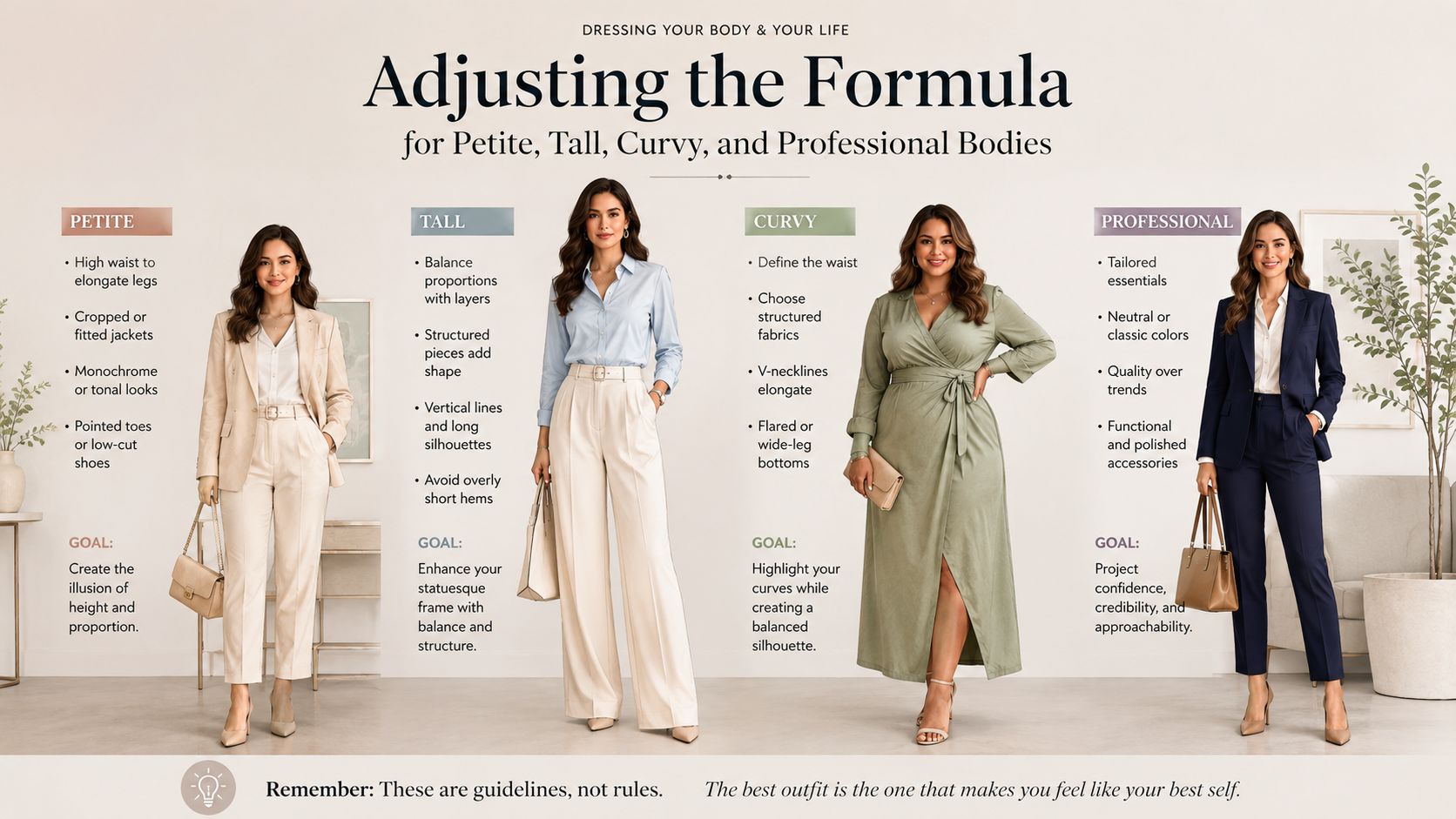
Petite, tall, curvy, and office-appropriate adjustments
For petite frames, cropped blazers, high-rise trousers, and ankle-length coats help keep the body from getting visually cut in half. The goal is uninterrupted proportion. A petite outfit looks strongest when the anchor has clean lines and the rest of the look doesn't overwhelm it.
For tall frames, longer coat lines, mid-rise trousers, and an unbroken vertical color story usually look better. Tall bodies can carry more length without losing shape, so the risk is rarely “too much fabric.” The risk is breaking the line too often. Keep the silhouette long.
For curvy frames, defined waistlines and balanced proportions matter most. A structured bag worn at the hip or shoulder can support the line of the body instead of fighting it. The anchor should frame the shape, not flatten it.
For professional dress codes, stick to one anchor, restrained textures, and a neutral palette. That's the easiest way to preserve professional authority without looking overdone. Office dressing gets weaker when people try to prove they understand fashion instead of looking composed.
The rule does not change. The proportions do. That distinction is what makes a luxury piece feel effortless instead of borrowed.
Cost-Per-Wear as a Buying Filter
High-low dressing becomes a buying standard once you stop treating it like outfit decoration. Before you buy a piece, ask how often you will wear it over three years. If the answer stays vague, leave it alone. If the answer is specific and frequent, the item earns its place.
Use wear count, not sticker shock
The math is plain, even if the closet is not. A piece that gets worn often lowers its effective cost per wear because the purchase price gets spread across repeated use. That is why classic designer staples usually beat trend-led purchases. They get worn more, keep working longer, and stay relevant across more outfits. A designer blazer with regular use can end up costing very little per wear, which is the cleanest way to judge whether a purchase is doing real work.
Resale value gives you another signal. Items that hold value well enough to stay in the high-value category tell you something about their role in a wardrobe. They are not just purchases. They are infrastructure. A blazer, bag, or shoe that keeps earning its place is doing a job, and that is the standard worth paying for.
Use this table before you buy
| Item | Price | Wears per Year | Years Worn | Cost per Wear |
|---|---|---|---|---|
| Designer blazer | $600 | 104 | 3 | about $2.00 |
| Classic leather bag | Qualitative only | Frequent | Several | lower over time with repeat use |
| Structured coat | Qualitative only | Seasonal repeat use | Several | improves with ongoing wear |
| Trend-driven top | Qualitative only | Occasional | Shorter lifespan | usually higher in practice |
Use the table as a filter, not a daydream. If you cannot picture the item being worn often, it does not belong in the investment column. If it only works for one kind of outfit, it is probably not pulling enough weight.
Spot the failures before they happen
A mixed-price outfit usually looks wrong for one of five reasons. More than one logo competes for attention. Too many statement pieces fight each other. A visibly cheap fabric, especially on tees or trousers, makes the whole look sag. Trend overload turns the supporting pieces into noise. A second designer piece gets added just because it exists, not because the outfit needs it.
The fix is direct. Remove before you add. If the outfit has more than one loud element, more than three textures, or any obvious fit problem, stop there. Strip it back until the anchor is clear again.
That is the buying rule I would keep if I had to choose one. One strategic investment that gets worn often beats five impulse items that sit untouched. The rest is closet clutter with a better label.
Feinheit FZ LLC offers a practical way to buy for wardrobe infrastructure, not noise. If you want pieces that support high-low dressing with cleaner proportions, better materials, and stronger repeat use, visit Feinheit FZ LLC and choose with cost-per-wear in mind. You will make stronger decisions when every purchase has a job.